The Influence of Social Media on Political Movements Worldwide
The Influence of Social Media on Political Movements Worldwide
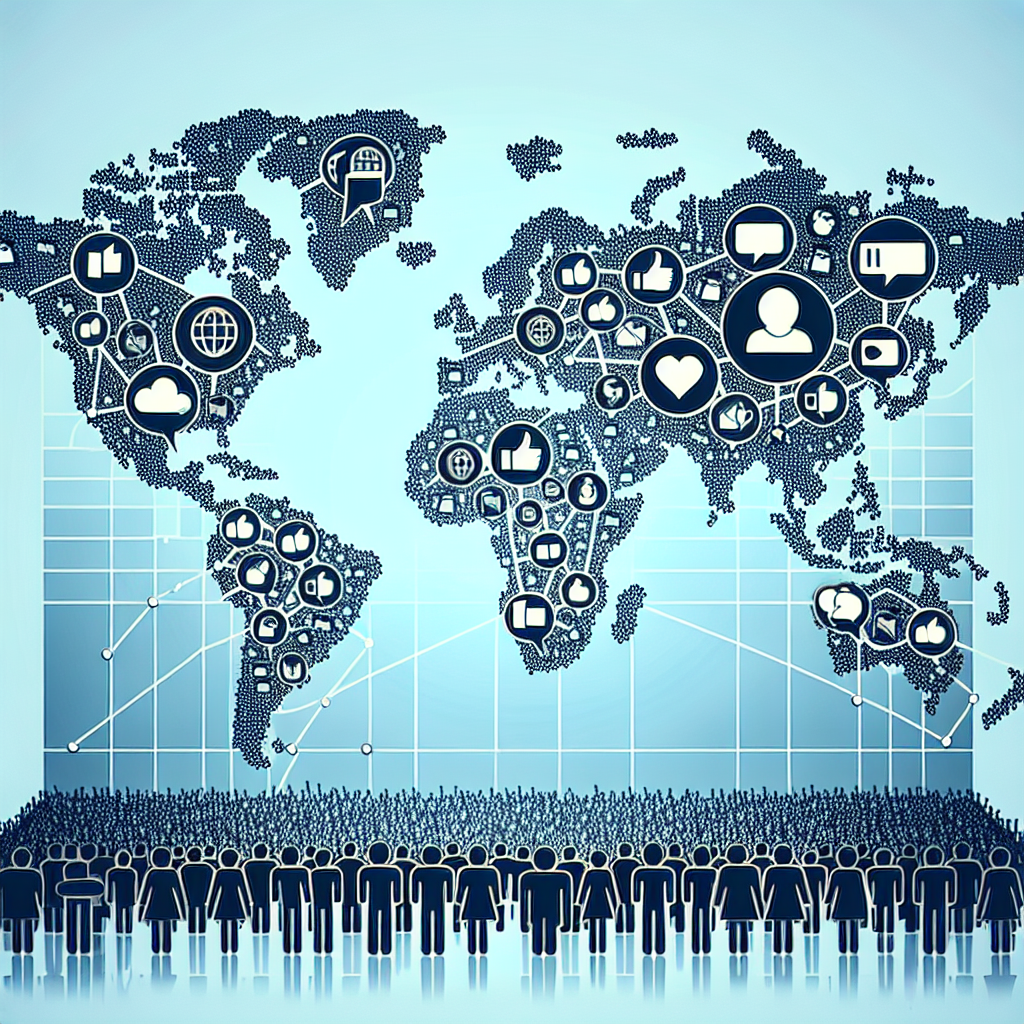
In recent years, the role of social media in shaping political movements has become increasingly significant across the globe. From grassroots campaigns to large-scale protests, platforms like Twitter, Facebook, Instagram, and TikTok have transformed the way individuals share information, mobilize supporters, and challenge authority. As we navigate through 2025, examining the impact of social media on political movements reveals its dual nature: a powerful tool for advocacy and an arena for misinformation. This article delves into the far-reaching influence of social media on political movements worldwide, exploring both its transformative power and the challenges it poses.
The Rise of Social Media as a Political Tool
The advent of social media has revolutionized the landscape of political communication. In the past, traditional media dominated the narrative, limiting the voices that could contribute to political discourse. However, social media platforms have democratized this process, allowing anyone with internet access to voice their opinions and rally support. During the Arab Spring, for example, social media played a critical role by enabling activists to coordinate protests and disseminate information in real time. Platforms like Facebook and Twitter were instrumental in organizing large-scale demonstrations against authoritarian regimes, showcasing the potential of social media in mobilizing communities for political change.
By 2025, the influence of social media on political movements has only intensified. Algorithms have evolved to curate content more effectively, making it easier for movements to gain traction. Hashtags have become rallying cries for social justice movements, with campaigns such as #BlackLivesMatter and #MeToo gaining global visibility through viral posts. These movements not only raise awareness but also challenge systemic inequalities, highlighting how social media serves as a platform for marginalized voices. Political figures have also adapted to this shift, leveraging these platforms to engage directly with constituents, providing a more personalized form of communication that was previously unimaginable.
The Impact of Misinformation on Political Movements
While social media has facilitated mobilization and awareness, it has also bred an environment ripe for misinformation. In 2025, the battle against false information remains a daunting challenge for political movements. Misinformation campaigns can undermine legitimate causes, casting doubt on the credibility of movements and their leaders. For example, during electoral processes, false narratives can spread like wildfire, influencing voter perceptions and behaviors. A notable instance occurred in the 2024 elections, where misinformation regarding candidates circulated widely on platforms, muddying the waters for voters trying to make informed decisions about their choices.
To combat misinformation, social media companies have started implementing measures to improve fact-checking and transparency. However, the ongoing challenges highlight the dual-edged nature of technology in politics. While activists use social platforms to share their messages, those opposed may exploit similar technologies to spread disinformation. This highlights the critical need for media literacy among users, empowering them to discern credible information from false narratives better. Moreover, educational initiatives aimed at young voters and social media users have become essential in fostering an informed electorate capable of understanding the complexities of today’s political landscape.
The Role of Influencers in Political Movements
The rise of influencers on social media has introduced a new dynamic to political movements. Influencers, often seen as public figures or content creators with significant followings, have the power to sway public opinion and mobilize support through their platforms. In 2025, influencers are participating in political movements more actively than ever, using their reach to advocate for causes they believe in. Campaigns such as climate action and systemic equality have seen widespread support from influencers, who utilize platforms like Instagram and TikTok to engage with younger audiences and elevate pressing issues.
However, this involvement also presents challenges. The authenticity of influencer endorsements can be questioned, leading to skepticism among audiences regarding their motivations. The phenomenon of “performative activism”—when individuals showcase support for a cause without substantive actions—has emerged as a concern. The blurred lines between genuine advocacy and marketing raise important questions about the integrity of movements reliant on social media influencers. As a result, both influencers and activists must navigate the fine balance between raising awareness and ensuring their advocacy translates into meaningful change.
Grassroots Activism and Social Media
Grassroots movements have found unprecedented opportunities for growth and engagement through social media platforms. The ability to quickly disseminate information enables grassroots groups to organize quickly, coordinate efforts, and reach potential supporters around the world. Social media has allowed local movements to garner international attention, creating a sense of solidarity among diverse communities. For instance, campaigns addressing climate change have seen local efforts receive global support, as activists connect and share strategies through platforms that transcend geographic barriers.
As we look toward the future, the integration of technology in grassroots movements will likely continue to evolve. Innovations like blockchain technology may provide new levels of transparency and engagement, enhancing trust among supporters. Furthermore, successful grassroots movements are increasingly adopting digital strategies, utilizing analytics and data to refine their outreach efforts. This evolution in organizing tactics signifies a shift in how political movements conceptualize community engagement, utilizing online platforms to enhance offline action for more significant impact.
The Future of Political Movements in a Social Media World
Looking ahead to the future of political movements in an increasingly digital landscape, it is clear that social media will remain an integral force. As technology continues to evolve, so too will the strategies employed by activists and politicians. The focus will likely shift toward creating more interactive and engaging experiences for followers, leveraging advanced tools such as augmented reality and virtual reality to facilitate deeper connections and immersive advocacy experiences. These technological advancements present exciting opportunities for movements to enhance their messaging and mobilization efforts.
Moreover, as concerns about privacy and data usage continue to mount, political movements must consider the ethical implications of their strategies. Ensuring that user data is protected while also effectively reaching audiences will be paramount moving forward. Collaborations between activists, developers, and policymakers will be pivotal in establishing frameworks that promote accountability and transparency in social media engagement. Importantly, the essence of activism—building community, fostering dialogue, and effecting change—will remain central, even as the landscape transforms.
Conclusion
The influence of social media on political movements worldwide has drastically altered the ways in which activism is organized and executed. While it has enabled grassroots movements to thrive, it also poses challenges associated with misinformation, the role of influencers, and the ethical use of technology. As we advance into the future, the interplay between social media and political activism will continue to evolve, offering both unprecedented opportunities for advocacy and new obstacles to overcome. It is imperative for activists, policymakers, and users alike to navigate this complex landscape thoughtfully—to maximize the benefits while mitigating the risks involved in this rapidly-growing digital space.
FAQs
How has social media changed the way political campaigns are run?
Social media has transformed political campaigns by allowing direct communication between candidates and the electorate. Politicians can share messages, engage with constituents in real time, and receive instant feedback, creating a dynamic form of campaigning that traditional media could not provide.
What role do influencers play in political movements?
Influencers can significantly amplify political movements by using their platforms to raise awareness and engage younger audiences. Their endorsements can help legitimize causes, but there is ongoing debate about the authenticity and motivations behind influencer activism.
How can misinformation impact political movements?
Misinformation can undermine political movements by spreading false narratives, creating division, and fostering distrust among the public. This can dilute the message of legitimate activists and deter potential supporters who may be swayed by misleading information.
What are some successful examples of social media-driven political movements?
Some notable examples include the Arab Spring, which saw widespread protests coordinated through social platforms, and #BlackLivesMatter, which has mobilized global support for racial justice. Both movements exemplify how social media can amplify voices and bring attention to critical social issues.
What are the potential future trends for social media in politics?
Future trends may include greater integration of advanced technologies like augmented reality in advocacy, increased emphasis on data privacy, and the establishment of collaborations between activists and tech developers to create ethical and effective engagement strategies in political movements.