The Influence of Social Media on Voter Engagement and Awareness


The Influence of Social Media on Voter Engagement and Awareness
In the digital age of 2025, the landscape of political engagement has been significantly altered by the far-reaching impacts of social media. Platforms like Facebook, Twitter, Instagram, and TikTok have not only changed how information is disseminated but have also reshaped voter engagement and awareness. As political campaigns increasingly leverage these tools, understanding their influence becomes paramount for both voters and candidates alike. This article delves into the multifaceted role of social media in shaping voter engagement, awareness, and ultimately, the democratic process.
The Role of Social Media in Modern Political Campaigns
In recent years, social media has emerged as a dominant force in modern political campaigns, redefining how candidates communicate with voters. By utilizing platforms such as Twitter and Instagram, political candidates can reach a vast audience instantly, allowing for the rapid dissemination of their messages. Unlike traditional media, which often requires significant financial investment and planning for ad placement, social media offers a cost-effective way for campaign teams to engage with voters directly. This immediacy not only fosters transparency but also encourages real-time dialogue, enabling candidates to respond to current events or voter concerns promptly.
Moreover, the interactive nature of social media platforms allows voters to participate in the electoral process more actively. Candidates can use polls, live Q&A sessions, and interactive stories to solicit feedback and opinions from their followers. This engagement can lead to a more informed electorate as voters feel they have a direct line of communication with those vying for office. As a result, social media transforms political campaigns from one-way messaging to two-way conversations, empowering voters and increasing their investment in the political process.
Social Media as a Tool for Voter Awareness
As the 2025 elections approach, the role of social media in enhancing voter awareness cannot be overstated. The platforms serve as vital channels for educating the public about candidates, political issues, and voting procedures. Campaigns leverage targeted advertisements to reach specific demographics, ensuring that the right messages get to the right people. This capability is particularly beneficial in informing underrepresented communities that may not engage heavily in traditional media outlets. By tailoring content to address specific issues within these communities, social media aids in raising awareness about pivotal candidates and policy proposals.
Moreover, social media serves as a tool for fact-checking and combating misinformation. In an era where false information can spread rapidly, platforms have increasingly included features that help users discern accurate from inaccurate information. Initiatives that promote transparency and fact-checking not only enhance voter awareness but also foster trust in the electoral process. As voters become more discerning consumers of information, they are better equipped to make informed decisions at the ballot box.
The Impact of Influencers and User-Generated Content on Voter Engagement
The rise of social media influencers represents a unique dimension in the sphere of voter engagement. These individuals shape opinions and drive conversations within their follower communities, often reaching audiences more effectively than traditional media figures. Influencers aligned with specific political ideologies can activate younger voters and marginalized groups who may feel disconnected from conventional campaigning methods. As we head into future elections, leveraging the influence of these personalities has proven to be an effective strategy for engaging voters who are often resistant to mainstream political rhetoric.
Furthermore, user-generated content has become a crucial element in shaping the narrative around elections. Campaigns encourage supporters to create content—ranging from videos to memes—that conveys their messages authentically. This grassroots approach not only democratizes the dissemination of political information but also galvanizes communities around shared beliefs. As a result, peer-to-peer sharing amplifies engagement, as individuals are more likely to trust content shared by friends and peers than traditional advertisements. This shift towards authenticity and relatability in political messaging reflects a substantial change in how voters engage with candidates and their platforms.
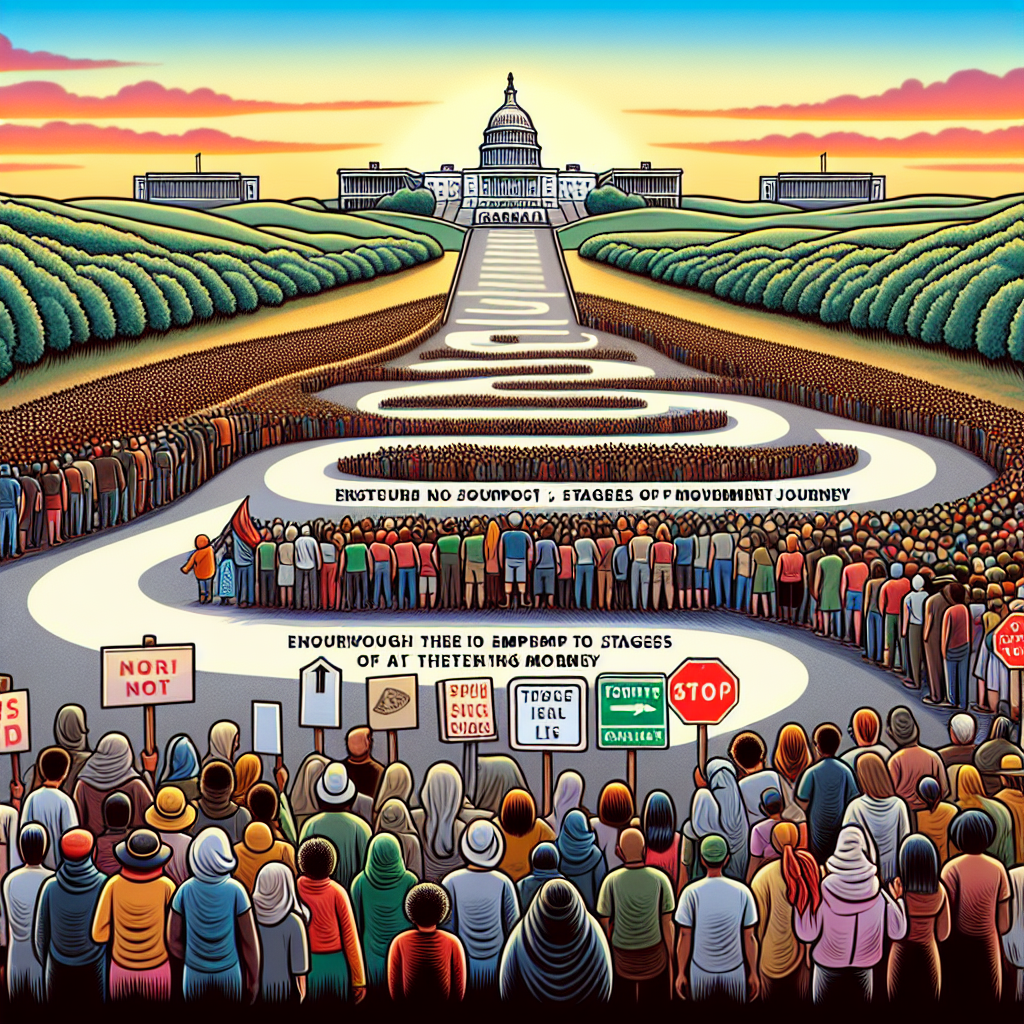
Additionally, the role of social media in mobilizing grassroots movements cannot be overlooked. In 2025, various social movements have shown how social media can rally citizens around urgent causes, driving voter turnout and engagement. Hashtags and viral challenges created on these platforms have led to demonstrations, get-out-the-vote campaigns, and heightened awareness of issues such as climate change and social justice. The power of collective action magnified by social media illustrates a profound shift towards community-oriented political activism, thereby influencing electoral participation significantly.
Challenges and Ethical Considerations in Social Media Politics
While social media has revolutionized voter engagement, it has also raised several challenges and ethical considerations that must be addressed. One major issue is the potential for misinformation and manipulation. In the political landscape of 2025, the proliferation of fake news continues to pose a significant threat to informed voting. Campaigns and third-party actors sometimes deploy tactics to mislead voters, generating confusion and undermining the electoral process. Ensuring that accurate information is available and accessible to voters is critical in combatting this challenge.
Another pressing concern is the role of data privacy in social media political campaigns. As campaigns increasingly rely on targeted advertising and analytics to reach specific voter demographics, ethical questions arise regarding the collection and use of personal data. In previous years, controversies surrounding data breaches have highlighted the need for transparency and respect for voter privacy. As we move forward, it is essential that platforms and political entities prioritize ethical practices while engaging with voters through social media.
Moreover, the digital divide remains a significant hurdle in achieving equitable voter engagement. While social media has connected many, significant portions of the population still lack access to reliable internet and technology. This gap disproportionately affects low-income communities and marginalized groups, exacerbating existing inequalities in political participation. Addressing the digital divide must be a priority to ensure that all voters have an equal opportunity to engage in the electoral process.
The Future of Voter Engagement through Social Media
Looking ahead to future elections beyond 2025, the role of social media in voter engagement and awareness is likely to evolve further. As technologies advance, we can expect more immersive experiences using augmented reality (AR) and virtual reality (VR) that allow voters to engage with candidates and policies in innovative ways. For instance, campaigns may create virtual town halls where voters can interact with candidates as if they were in the same physical space. Such advancements could enhance the connection between candidates and constituents, fostering a deeper understanding of issues and concerns.
Additionally, the implementation of artificial intelligence (AI) and machine learning will play a critical role in tailoring content to individual voters. As algorithms become more sophisticated, campaigns could leverage predictive analytics to create highly personalized voter outreach strategies. This may enhance voter engagement outcomes by delivering messages that resonate with specific beliefs, values, and behaviors. However, this evolution also necessitates ongoing discussions about digital ethics and accountability, particularly concerning privacy and transparency.
Finally, the ongoing evolution of social movements and political advocacy in a digital context will continue to shape voter behavior. As platforms adapt to user needs and preferences, new modes of activism will arise that harness social media’s community-building potential. This dynamic will likely influence how grassroots movements mobilize voters, resulting in higher voter engagement and participation in upcoming elections.
Conclusion
The influence of social media on voter engagement and awareness has reshaped the political landscape, offering both opportunities and challenges. As platforms continue to evolve, they introduce innovative tools for connecting candidates with voters, facilitating political dialogue, and raising awareness about critical issues. Nonetheless, it is essential to navigate the complexities of misinformation, data ethics, and accessibility to ensure that these platforms continue to serve as positive forces in the electoral process. The future of voter engagement will undoubtedly hinge on a balanced approach that embraces the technological advancements of social media while safeguarding the integrity of the democratic process.
FAQs Section
How has social media changed voter engagement in the last decade?
Social media has transformed voter engagement by enabling direct communication between candidates and voters, fostering real-time dialogue, and providing platforms for grassroots activism. Voters can access information quickly and participate actively in campaigns.
What are the risks associated with social media in elections?
The primary risks include the spread of misinformation, data privacy concerns, and the digital divide, which can exclude certain populations from engaging with the electoral process equitably.
Why is transparency essential in social media political campaigns?
Transparency fosters trust in the electoral process, allowing voters to make informed decisions based on accurate information. It also ensures that campaigns adhere to ethical standards regarding data privacy and voter engagement.
How do influencers impact voter awareness?
Influencers can effectively reach and engage younger voters by shaping opinions and driving conversations, thus increasing awareness about candidates and political issues through authentic, relatable content.
What strategies can campaigns use to combat misinformation on social media?
Campaigns can employ fact-checking initiatives, provide clear and accurate information, and partner with trusted organizations to raise awareness about misinformation, helping voters discern factual content in a crowded digital space.