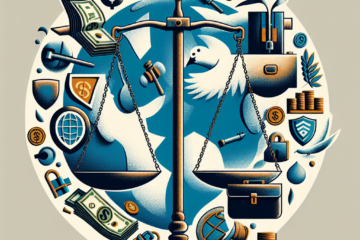
The Intersection of Humor and Seriousness in Political Debates

The Intersection of Humor and Seriousness in Political Debates
Political debates have long been a cornerstone of democratic discourse, serving as a platform for candidates to present their policies, tackle pressing issues, and connect with voters. However, in recent years, we have seen a notable shift in these debates, where humor has started to intersect with the seriousness of political discussion. In 2025, as the world grapples with significant challenges such as climate change, economic inequality, and social justice, the skillful use of humor in political debates has presented an opportunity to engage voters on a more personal level, softening the often harsh reality of political landscapes. This article will explore how humor and seriousness coexist in political debates, the impacts they have on public perception, and strategies for effective communication in this unique interplay.
Understanding the Role of Humor in Political Discourse
Humor has been a fundamental aspect of human communication for centuries; it transcends cultural boundaries and can effectively capture attention. In the context of political debates, humor serves not only as a tool for engagement but also as a means to simplify complex issues. By making serious topics more approachable, candidates can ease tensions, allowing the public to discuss difficult subjects without the weight of overwhelming seriousness. This unique blend of humor and policy can create memorable moments that resonate with audiences, transforming abstract political concepts into relatable anecdotes.
Moreover, humor can act as a form of social commentary. Political humor often highlights contradictions, weaknesses, and flaws within institutions or ideologies. When candidates employ humor to critique opponents or policies, they provide the audience with an accessible lens through which to view and analyze political discourse. In 2025, candidates that successfully incorporate humor into their messaging often emerge as more relatable figures, facilitating a connection that fosters trust and credibility among voters.
The Enhanced Appeal of Charismatic Candidates
In recent political cycles, especially leading into the 2026 elections, the importance of a candidate’s charisma—enhanced by humor—cannot be overstated. Charismatic candidates often leverage humor effectively to create an emotional connection with voters. When humor is intertwined with politicking, it humanizes candidates, making them appear more authentic and approachable. Given the intense polarization of contemporary politics, voters are increasingly looking for candidates who appear relatable rather than merely ideologically aligned.
In the 2025 political landscape, we have seen how candidates like Representative Mia Chen and Senator Andrew Wells have embraced this dual strategy. Both candidates have effectively utilized humor to soften their policy discussions while maintaining a clear stance on serious issues like climate change and economic reform. Their ability to balance humor with gravitas enhances their appeal and ensures that their messages are not only reaching but also resonating with wider audiences. By presenting themselves as multifaceted individuals capable of both laughter and earnestness, they cultivate a sense of trustworthiness that appeals to constituents who are fatigued by the adversarial nature of politics.
The Risks of Humor in Political Debates
While humor can yield significant benefits in political debates, it is not without risks. Candidates must remain cautious as the line between acceptable humor and offensive content can be remarkably thin. In 2025, we have witnessed instances where political humor has backfired spectacularly, leading to public backlash and damage to a candidate’s reputation. The social media landscape, saturated with instant reactions and viral sharing, means that a poorly received joke can quickly escalate and overshadow important policy discussions, leaving candidates playing defense rather than taking the initiative in the debate.
Moreover, humor that relies on stereotypes or touches upon sensitive topics can alienate certain voter groups. For instance, banter about wealth disparity can result in criticism if it is perceived as tone-deaf to the struggles of lower-income individuals. Successful candidates in 2025 must navigate this complex emotional terrain, understanding their audience’s sensibilities while leveraging humor to engage. The political climate demands a more sophisticated understanding of context, ensuring humor remains light-hearted rather than divisive.
Case Studies: Humor and Seriousness in Action
Examining recent political debates provides rich case studies where humor has effectively intersected with seriousness. The 2024 democratic presidential debate showcased President Laura Sanchez using humor when discussing her ambitious environmental policies. Rather than framing the issue solely around statistics of rising temperatures and imminent disasters, she employed a humorous anecdote about her childhood fascination with the outdoors and how it has shaped her commitment to ecological responsibility. This approach not only engaged her audience but also created a memorable moment that resonated emotionally, tying her policies back to personal values.
Another noteworthy example is in the debates leading up to the 2026 elections, where Senator Robert Greene turned the often-grim topic of the rising costs of healthcare into a light-hearted discussion, joking that “everyone deserves to break a leg in life, just not at the orthopedic surgeon’s office.” This quip brought laughter while effectively illustrating the weight of financial strain that unnecessarily burdens citizens seeking healthcare. By navigating humor amidst seriousness, candidates can highlight the urgency of issues while simultaneously lightening the mood, enhancing overall voter engagement.
These examples underscore the critical need for candidates to be adept at reading their audience and leveraging humor strategically to address serious matters. In 2025’s contentious political environments, the candidates who can master this skill will likely stand out in the crowded political field.
The Psychological Impact of Humor in Political Engagement
Humor is not merely a rhetorical device; it has profound psychological implications that can influence voter engagement and decision-making. Research from 2025 has shown that humor creates a sense of belonging, which in turn fosters greater civic involvement. Many voters are more likely to attend rallies, participate in discussions, and ultimately cast their votes if they feel they are part of a community that shares their values and sense of humor. When candidates effectively weave humor into their narratives, they create an inviting atmosphere that encourages such connections.
Additionally, humor can serve as a coping mechanism for dealing with the stress associated with political uncertainty. Given the turbulence surrounding global events in 2025, candidates who incorporate humor into serious discussions may help alleviate some of that anxiety among voters. The laughter and light-heartedness enable voters to process serious information without feeling overwhelmed by the weight of the issues at hand. This connection between humor and mental well-being can significantly influence voter turnout and engagement as communities come together through shared experiences — including laughter.
Understanding the psychological impact of this interplay also emphasizes the importance of timing and delivery. For humor to soften the seriousness of a message, it must feel natural and not forced. Candidates must be attuned to the emotional climate of their audiences, carefully selecting when humor is appropriate and how it aligns with their messaging strategy.
Conclusion
The intersection of humor and seriousness in political debates presents a fascinating arena for candidates to connect with voters on multiple levels. As demonstrated in 2025, humor can enhance the relatability of politicians, facilitate discussions of pressing issues, and create memorable moments that resonate with audiences. However, the risks associated with humor cannot be overlooked. Candidates must approach this delicate balance with care, leveraging humor to engage while ensuring sensitivity to the complexities of the political landscape. As we move into future electoral cycles, the ability of candidates to navigate this interplay will undoubtedly play a pivotal role in shaping their success and advancing democratic discourse.
FAQs
How does humor affect voter perception during political debates?
Humor can positively influence voter perception by making candidates appear more relatable and authentic. It helps to soften the seriousness of political discussions, fostering greater engagement and approachability.
What are the risks associated with using humor in politics?
Risks include potentially offending specific demographics, appearing out of touch with serious issues, or causing backlash from audiences if the humor is not well-received.
Can humor help in discussing serious topics effectively?
Yes, humor can make complex, serious topics more approachable, offering a bridge that allows voters to engage in discussions without feeling overwhelmed by the gravity of issues.
What role does social media play in the reception of political humor?
Social media amplifies the reach of humorous content, but it can also lead to rapid and unforgiving backlash if a joke is perceived as inappropriate or offensive, making timing and context essential.
Are there notable examples of successful humor in political debates recently?
Yes, candidates like Mia Chen and Andrew Wells have effectively employed humor in their messaging, helping to connect with voters while discussing serious issues like climate change and healthcare costs.