The Intersection of Media and Political Corruption

The Intersection of Media and Political Corruption
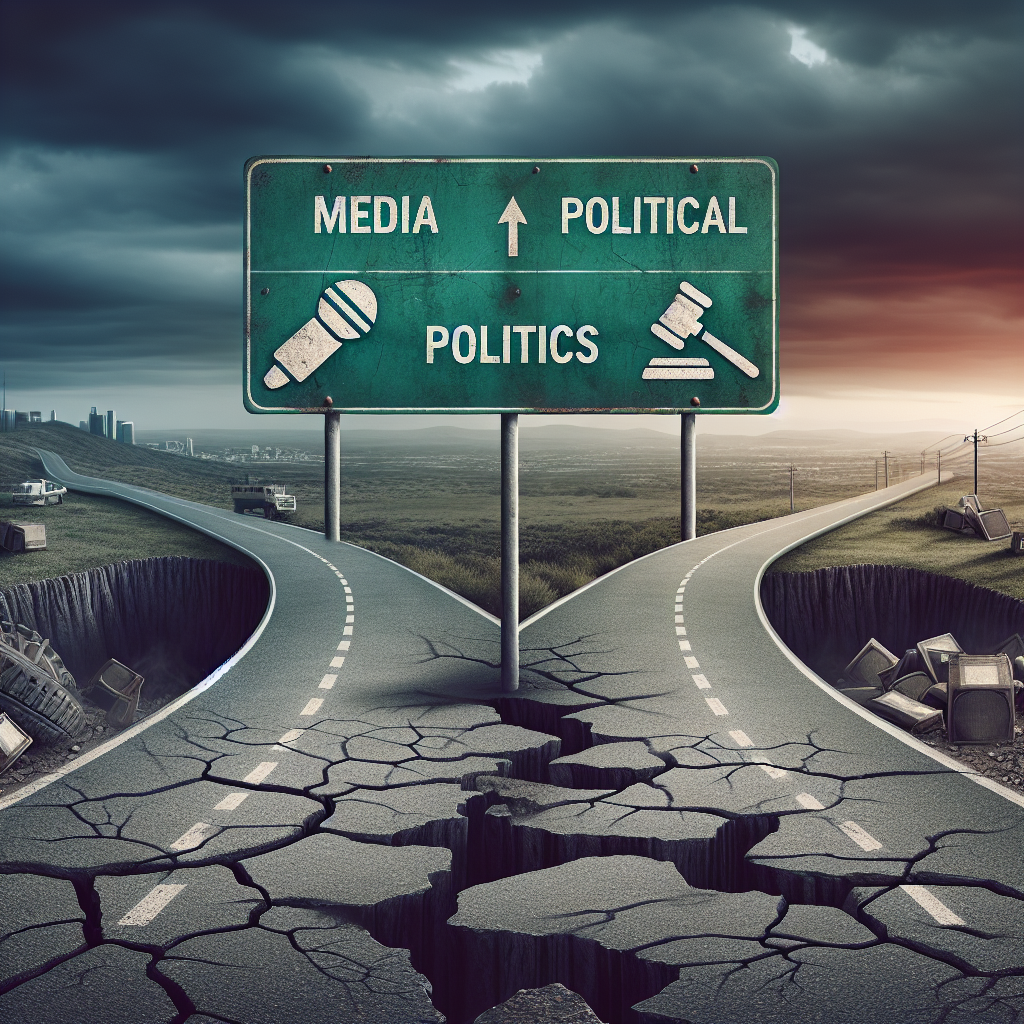
In the ever-evolving landscape of 2025, the intersection of media and political corruption has underscored an ongoing dialogue about transparency, ethics, and public trust. As social media, cable news, and digital platforms continue to shape perceptions, political discourse, and public awareness, understanding how media influences political corruption becomes imperative. In this comprehensive exploration, we will delve into various facets of this critical relationship, examining both historical context and contemporary implications.
The Role of Media in Uncovering Political Corruption
The media has historically served as a watchdog of democracy, a role that is more critical now than ever in our digital age. Investigative journalism has repeatedly uncovered significant political corruption cases, helping to ensure accountability among elected officials. From the Watergate scandal to the more recent Paradise Papers and Panama Papers revelations, the role of journalists in exposing corruption cannot be overstated. Tools such as data journalism and social media reporting have enabled media outlets to analyze and present information that was previously less accessible, thus raising awareness about corrupt practices.
In 2025, as artificial intelligence and algorithms increasingly influence news dissemination, the challenge remains for media to maintain their integrity in uncovering corruption. Misinformation and sensationalism can blur the lines between truth and manipulation, raising questions about the reliability of sources. Nevertheless, many reputable news organizations are committing to transparency and fact-checking to bolster their role as accountable mediators of information. As citizens become more informed, they demand integrity from both public officials and the media, creating a more robust environment for uncovering corruption.
The Impact of Social Media on Political Corruption
Social media platforms have revolutionized the way political messaging is disseminated and received. In 2025, platforms like Twitter, Facebook, and Instagram have become essential tools for political communication and mobilization. However, this shift has also led to substantial challenges regarding the spread of disinformation and propaganda. Political actors may exploit social media to mask corrupt activities or mislead constituents, often resulting in scandal and public outcry.
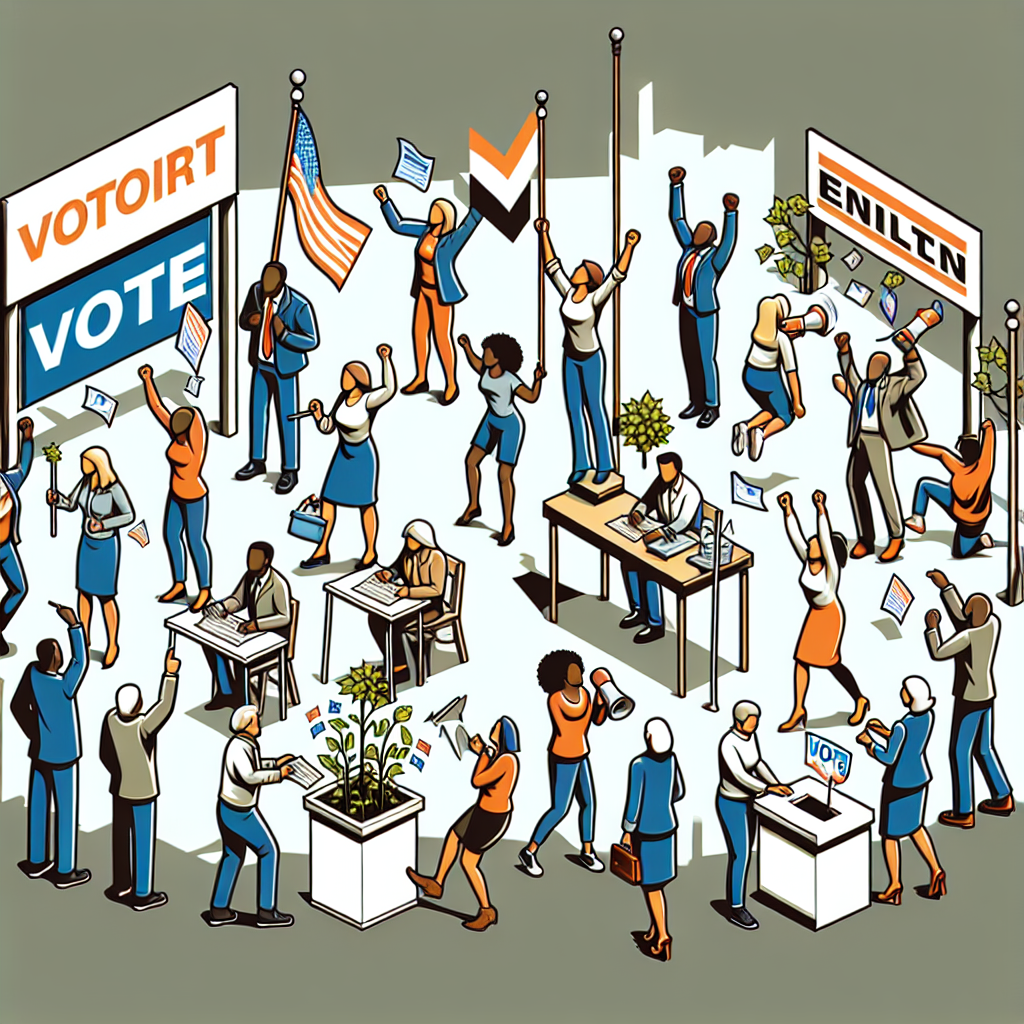
Moreover, social media has empowered citizens to voice their concerns and mobilize against perceived injustices, often circumventing traditional media outlets. Grassroots movements fueled by social media have raised awareness about corruption, prompting investigations and political change. Nevertheless, the efficacy of these channels is often at odds with the realities of manipulation and trolls that aim to disrupt genuine discourse. Understanding the dual nature of social media in the context of political corruption remains crucial for fostering informed public engagement.
The Complexity of Accountability in a Digital Age
As we navigate through 2025, the complexity of accountability in political corruption is heightened by the vast amount of information available online. The presence of anonymous accounts and the prevalence of bots complicate how citizens discern credible sources from biased or misleading information. Furthermore, the relatively recent phenomenon of cancel culture highlights a shift in how societies react to corruption, with public opinion shaping political consequences. This cancellation often occurs without the thorough investigations traditionally conducted by media outlets, raising concerns about the reliability of digital outrage.
Additionally, the increasing centrality of big tech companies raises questions about their responsibilities when it comes to curbing misinformation and amplifying the truth. As platforms establish their own guidelines for content moderation, the intersection of corporate interests and political integrity will only grow more intricate. When large tech corporations prioritize profits over social responsibility, the risk for systematic political corruption increases, leaving a gap in accountability that the media must strive to fill.
Finally, new technologies, including blockchain and AI-driven analytics, have begun to emerge as potential solutions for promoting transparency in political processes. By providing immutable records and verification systems, these technologies can empower both media and the public to track corruption more effectively. As we look forward, fostering a symbiotic relationship between technology and journalism could be crucial in mitigating the impact of political corruption.
Global Perspectives on Media and Political Corruption
The relationship between media and political corruption is not confined to the borders of any single nation; it is a global phenomenon with varied manifestations. Countries with high levels of corruption often experience suppression of the media, with journalists facing intimidation, censorship, or even violence for speaking the truth. In 2025, international organizations such as Reporters Without Borders continue to advocate for press freedom, emphasizing how critical a free press is in exposing scandals and advocating for reform. In nations like Russia and China, the state-controlled media shapes public perception of political actions, minimizing the exposure of corruption.
Conversely, in democracies where media operates under more liberal frameworks, the public often enjoys greater access to information about political misconduct. For example, countries like Canada and Sweden have advanced laws on whistleblower protection, which not only encourage journalists to investigate but also protect the individuals who come forward with evidence of corruption. These infrastructures significantly impact how corruption is perceived and addressed within the political landscape.
Nevertheless, each national context brings unique challenges regarding corruption’s normalization within political systems. In some regions, political culture can demonstrate a tolerance for minor corrupt practices, complicating the media’s effort to effect change. As global collaboration intensifies, sharing successful models of accountability and transparency is vital to combating political corruption worldwide.
The Future: Media, Citizens, and Political Integrity
As we progress deeper into 2025, the relationship between media and political integrity remains a delicate balance that influences democracy’s health. The future must entail a more informed and engaged citizenry that holds both political leaders and media accountable for their actions. Enhancing media literacy in educational frameworks will empower citizens to discern credible information from falsehoods, forging a more resilient democratic society. Engaging with diverse perspectives and questioning sources can help combat systemic corruption while promoting a culture of integrity.
Moreover, media organizations need to innovate in their approaches to reporting, utilizing advanced technologies to deliver content more engagingly and accurately. By integrating AI-based fact-checking systems and data analysis, journalists can streamline their efforts to uncover instances of corruption and provide transparency to the public. In doing so, they can reclaim the narrative around political integrity—demonstrating that a committed media can truly serve the interests of democracy.
Finally, advocacy for policy reforms that protect press freedom and promote accountability will remain vital. By collaborating with non-profit organizations, governments, and citizens, media outlets can work to establish frameworks that make political corruption less likely. Such collective efforts will serve to bridge the gaps between accountability, transparency, and integrity in government and media.
Conclusion
In conclusion, the intersection of media and political corruption in 2025 highlights an ongoing struggle for accountability and transparency in governance. The media’s role as a watchdog remains crucial, yet the challenges posed by social media, misinformation, and corporate interests pose significant threats. Global perspectives enrich our understanding, showcasing how various nations grapple with corruption’s implications and the essential role of media in combating malfeasance. Looking forward, fostering media literacy, advocating for robust press freedoms, and embracing technological innovations will shape the future landscape, ultimately strengthening democracy and public trust.
FAQs
What is the role of media in political corruption?
The media serves as a watchdog, uncovering instances of corruption and holding public officials accountable. Investigative journalism and transparency are crucial for informing the public and fostering a culture of accountability.
How has social media influenced political corruption?
Social media provides a platform for both disinformation and public mobilization. While it amplifies legitimate concerns about corruption, it also allows for manipulative practices that can obscure the truth.
What technologies can help combat political corruption?
Emerging technologies such as blockchain and AI analysis tools can promote transparency in political processes, revealing evidence of corruption and fostering accountability.
How does political corruption differ internationally?
Political corruption manifests differently across countries, often shaped by cultural norms and governmental structures. In some nations, media suppression limits exposure to corruption, while in others, a free press encourages investigation and reform.
What initiatives can improve media integrity?
Promoting media literacy, advancing press freedom protections, and fostering collaboration between journalists and civic organizations are vital for enhancing media integrity in the face of political corruption.