The Power of Community Organizing in Driving Social Change
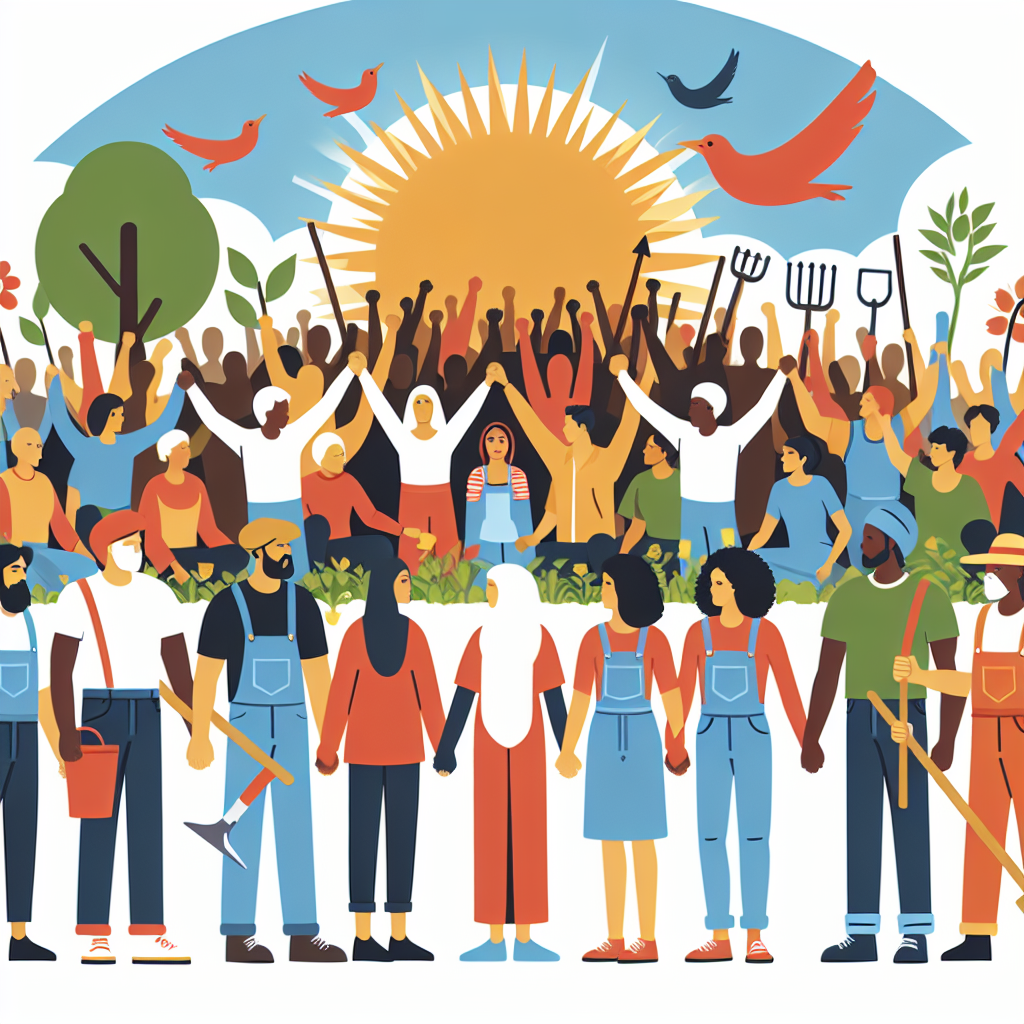
The transformative power of community organizing has become increasingly evident in the quest for social change. In a world marked by inequalities and systemic injustices, grassroots movements have harnessed the collective strength of communities to advocate for meaningful reform. As communities unite, they spark dialogue, foster empathy, and mobilize action to tackle pressing social issues. This article delves into the dynamics of community organizing, its historical context, and its crucial role in driving social change, particularly in 2025.
The History of Community Organizing: A Foundation of Change
Community organizing has a rich historical background that dates back to the early 20th century, with key figures such as Saul Alinsky laying foundational principles for grassroots activism. Alinsky’s work emphasized the importance of community empowerment and collective action, advocating for strategies that invited disenfranchised populations to take charge of their narratives. In the modern context, community organizing has evolved, adapting to contemporary issues such as racial injustice, climate change, and economic inequality. Noteworthy movements like Black Lives Matter and climate action groups embody the principles of community organizing by utilizing a network of grassroots activists who mobilize support and press for policy changes at local, national, and international levels.
In 2025, the landscape of community organizing continues to be shaped by advanced technologies and social media, which have revolutionized how grassroots movements communicate and engage with supporters. Platforms like Twitter, Facebook, and Instagram allow organizers to amplify their message, reach a wider audience, and coordinate efforts in real-time. This heightened connectivity helps communities build solidarity and create powerful coalitions that transcend geographical boundaries. Older generations of activists have combined their wisdom with the innovative strategies of younger activists to cultivate a more inclusive and effective form of community organizing that resonates with diverse populations.
The Role of Grassroots Movements in Social Change
Grassroots movements serve as the backbone of community organizing, often arising organically in response to specific local issues. These movements harness the voices and experiences of community members, transforming individual struggles into collective action. For instance, the climate justice movement has seen local communities come together to address environmental degradation, advocating for policies that prioritize sustainability and equitable resource distribution. By engaging citizens in the decision-making process, grassroots movements empower individuals to become active participants in shaping their communities.
In 2025, the intersectionality of social issues has become more apparent. Grassroots movements frequently address multiple facets of injustice, from economic inequality to racial discrimination and environmental crises. This holistic approach not only recognizes how these issues interconnect but also fosters collaboration among different groups. By forming alliances across various causes, these movements amplify their campaigning potential and achieve greater impact. This trend emphasizes the importance of solidarity in building a broader sense of community and advancing social change.
The Strategies of Effective Community Organizing
Successful community organizing relies on several strategic components that empower marginalized voices and create a cohesive movement. One key strategy is the identification and mobilization of leaders within the community. These individuals often possess the passion, knowledge, and connections necessary to spearhead initiatives. Training and capacity-building programs help foster leadership skills and encourage community members to take action, thereby creating a sustainable movement that can endure beyond immediate crises.
Another crucial aspect is the creation of platforms for dialogue and engagement. Effective organizing encourages dynamic conversations around pressing social issues, allowing individuals to share personal experiences and insights. Town hall meetings, workshops, and forums provide opportunities for community members to brainstorm solutions collectively, which can lead to actionable change. In 2025, many communities are utilizing digital platforms for these discussions, enabling broader participation and the input of diverse perspectives, irrespective of physical location.
Lastly, campaigns driven by strategic messaging play a vital role in community organizing. A well-crafted narrative can resonate with a wider audience, generating empathy and support for specific causes. Organizers often employ storytelling techniques that highlight personal experiences and collective suffering to humanize abstract issues. In the age of information overload, compelling narratives can break through the noise and galvanize community engagement. Organizations are now utilizing innovative formats, such as virtual reality experiences and interactive web content, to weave immersive stories that captivate potential supporters.
The Impact of Community Organizing on Policy Change
One of the most significant outcomes of community organizing is its potential to influence policy changes. Grassroots movements can shift the political landscape by mobilizing constituents to advocate for reforms that address systemic inequalities. For instance, the push for affordable housing witnessed numerous community organizations collaborating to pressure local governments for stricter regulations on rent control and housing availability. This example illustrates not only how community organizing can lead to immediate policy shifts but also how it shapes the values of elected officials regarding community needs.
In 2025, the impact of community organizing is evident in numerous arenas such as climate justice, healthcare reform, and social equity. The combined efforts of local organizers in areas significantly affected by climate change have led to increased funding for sustainable infrastructure and climate resilience initiatives. Similarly, movements advocating for universal healthcare have made significant strides at the local and state levels, continually pressuring higher levels of government to expand accessibility and affordability of health services. These victories underscore the critical role that organized communities play in shaping the political agenda and achieving long-lasting changes.
Furthermore, community organizing enhances civic engagement by cultivating a culture of participation and responsibility among community members. Citizens who engage with community organizations become more informed and active in other social and political dimensions, creating a ripple effect that can empower broader democratic processes. As communities advocate for their needs and rights, they build networks of solidarity that transcend individual issues, leading to a more engaged citizenry prepared to embrace collective action for continued social progress.
The Future of Community Organizing in an Evolving World
The future of community organizing is likely to be profoundly shaped by technological advancements and increased global connectivity. As more communities leverage technology for mobilization and advocacy, the landscape of grassroots movements will continue to evolve. In 2025, we can anticipate a greater reliance on data analytics to identify key issues and track the success of organizing efforts. Social media campaigns will play a pivotal role in shaping narratives and fostering international solidarity, allowing communities to share their experiences and strategies across borders.
Moreover, the challenge of misinformation poses a recurring threat to community organizing efforts. With the proliferation of fake news and distorted narratives online, grassroots movements must remain vigilant in countering false information that undermines their causes. By developing media literacy programs and employing fact-checking resources, organizers can strengthen their communication strategies and inspire confidence in their messaging.
Lastly, community organizing has the potential to expand its influence into new realms beyond traditional social justice issues. In the face of global challenges such as pandemics, economic instability, and climate change, community organizers will inherently need to adapt their approaches to engage and unite people around emerging crises. Local initiatives focused on resilience, mutual aid, and wellness can instigate broader conversations about adaptation and sustainability, paving the way for a future where communities are better equipped to advocate for their needs.
### Conclusion
The power of community organizing in driving social change is undeniable, as illustrated by its historical roots, strategic evolution, and far-reaching impact on policy and civic engagement. In 2025, the landscape of grassroots movements continues to be shaped by technology and the interconnectedness of social issues, underscoring the need for adapted strategies and inclusive approaches. As communities come together to advocate for their rights and interests, they strengthen the fabric of democracy and empower individuals to transform their lived experiences into collective action for a better future.
### FAQs
What is community organizing?
Community organizing is a process through which individuals within a community come together to advocate for change, addressing shared concerns through collective action and grassroots strategies.
How does community organizing drive social change?
Community organizing drives social change by mobilizing citizens to engage in advocacy, creating awareness around issues, influencing public policy, and fostering civic participation, ultimately empowering individuals to effect change in their communities.
What are some successful examples of community organizing?
Successful examples of community organizing include movements like Black Lives Matter, climate justice advocacy, and local housing coalitions that have successfully campaigned for policy reforms and greater social equity in many regions.
How can technology aid community organizing?
Technology aids community organizing by providing platforms for communication, collaboration, and mobilization, enabling grassroots movements to engage a wider audience, share resources, and track campaigning efforts with data analytics and social media outreach.