The Rise of 3D Printing in Custom Sports Gear

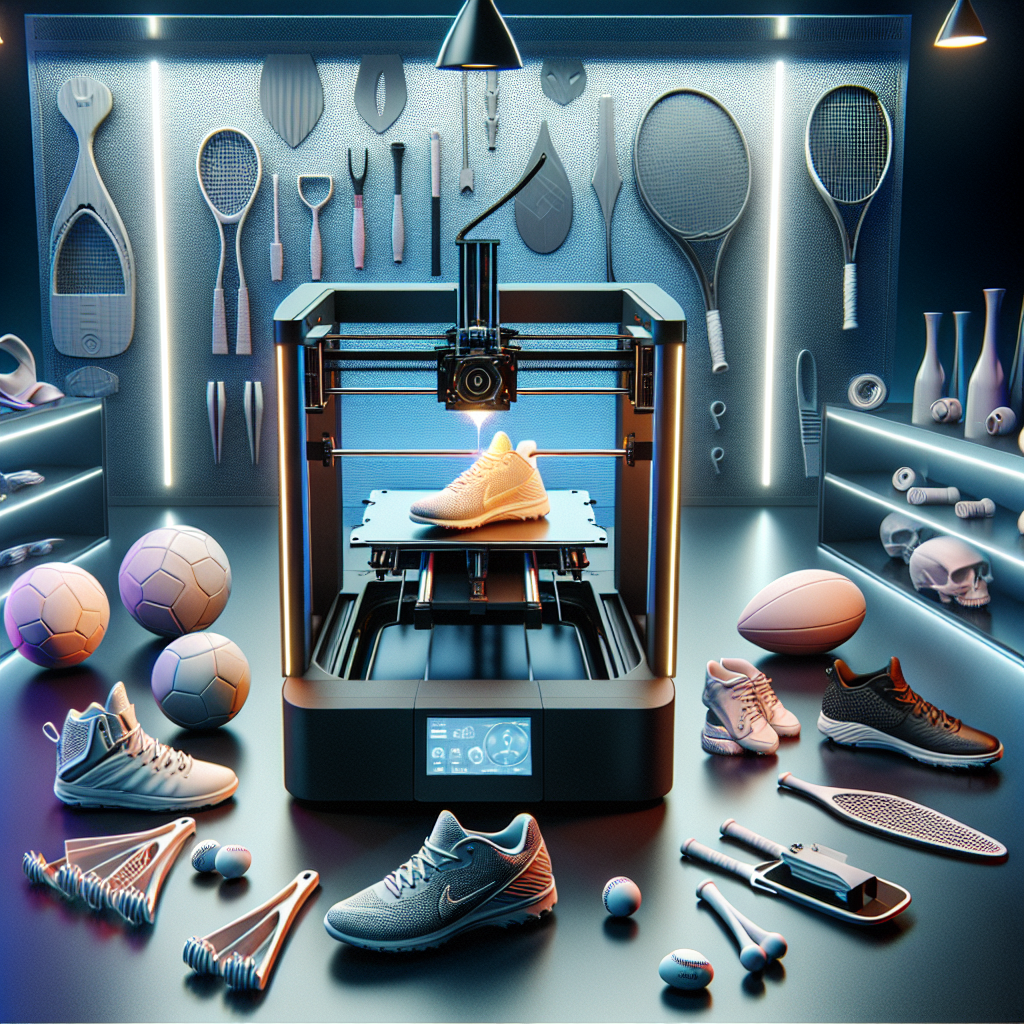
The integration of 3D printing technology into the world of custom sports gear has transformed how athletes and enthusiasts access and personalize their equipment in 2025. As the demand for tailored sports solutions grows, 3D printing offers unparalleled opportunities for creating gear that is not only functional but also uniquely suited to the individual needs of each athlete. This article delves into the rise of 3D printing in custom sports gear, exploring its benefits, applications, challenges, and future prospects.
The Evolution of 3D Printing in Custom Sports Gear
The journey of 3D printing began in the early 1980s, initially gaining traction in industries like manufacturing and design. However, its application in sports gear has accelerated dramatically in recent years, particularly by 2025. The convergence of materials science, software innovation, and printing technology has led to more sophisticated methods that allow for intricate designs and customizations that were previously unattainable. From footwear to protective gear, the flexibility of 3D printing allows for rapid prototyping and production of items tailored to specific performance metrics and injury prevention needs.
By utilizing advanced scanning technology, athletes can obtain precise measurements of their body dimensions, which can then be translated into 3D models. This approach results in custom fits that enhance comfort and performance while minimizing the risk of injury. Major sporting brands have recognized the potential of this technology, investing heavily in research and development to create personalized sports gear solutions. As a result, consumers can now enjoy products designed explicitly for their unique biomechanical profiles, which is a significant leap forward compared to conventional mass-produced items.
The Benefits of 3D Printing in Sports Equipment
One of the most significant advantages of 3D printing in custom sports gear is its ability to reduce manufacturing waste. Traditional production methods often create excess material as manufacturers cut and shape items from larger blocks of material. In contrast, 3D printing utilizes only the necessary ingredients, significantly minimizing waste and contributing to more sustainable practices in the sports industry. This eco-friendly approach aligns with the growing consumer demand for sustainably produced goods and helps brands improve their environmental footprint while appealing to eco-conscious athletes.
Moreover, the ability to rapidly produce prototypes and iterate designs is invaluable in the competitive sports market. With 3D printing, companies can test and refine their products continuously, allowing for quick adjustments based on athlete feedback or performance data. This design agility not only accelerates the launch of innovative products but also enhances the collaboration between equipment manufacturers and professional athletes. As technology advances, we can expect to see even more sophisticated designs, offering superior performance characteristics while adhering to the latest trends in sports gear aesthetics.
Notable Applications in Custom Sports Gear
The applications of 3D printing in custom sports gear are vast and varied. One prominent area is in the production of custom footwear. Athletic shoes can now be tailored to the individual’s foot shape, arch type, and running style. Companies like Adidas and Nike are already leveraging 3D printing to craft bespoke shoe components that enhance comfort and performance. For instance, 3D-printed midsoles can be designed with specific cushioning patterns to optimize shock absorption for runners, while protective gear absorbs impact during high-risk sports.
In addition to footwear, another notable application is in sports protective gear, such as helmets and pads, where personalized designs can improve safety and functionality. Athletes in contact sports benefit from helmets created through 3D printing technology that provide superior fit and increased protection against concussions. Custom fit helmets, designed with data collected from performance metrics, can distribute impact forces more effectively, protecting athletes in the heat of competition. Furthermore, fitness accessories like wristbands, smart mounts, and customized grips are also embracing the 3D printing revolution, pushing the boundaries of how sports equipment is both designed and manufactured.
Athletes can also take advantage of 3D-printed technology in the creation of custom tools for training and recovery. This includes devices that assist with rehabilitation or resistance training designed specifically to the individual’s needs, thanks to data analysis from wearables and smart gear. Stations that monitor capabilities during practice can create data models that 3D printing facilities can use to custom-make training tools. The benefits extend beyond performance improvement to injury prevention, showcasing how far-reaching this technology can actually be.
Challenges and Considerations in 3D Printing Sports Gear
Despite the many benefits of 3D printing in custom sports gear, certain challenges must be addressed for this technology to reach its full potential. Supply chain logistics remain a significant concern, as athletes and teams often require rapid turnaround times for equipment. The current reliance on centralized manufacturing facilities can lead to delays, particularly for bespoke orders. While on-demand printing offers solutions, it requires a shift in how companies manage inventory and production to ensure athletes have access to customized gear when they need it.
Additionally, the regulatory landscape surrounding 3D-printed sports gear is still evolving. As the technology becomes more prevalent, questions regarding material safety, durability, and performance standards come to the forefront. Striking a balance between innovative customization and safety remains critical. Manufacturers must ensure that 3D-printed components meet the same rigorous safety standards as traditionally manufactured gear. Without proper oversight, athletes’ safety could be compromised, leading to potential injury and legal challenges for brands.
Lastly, a knowledge gap exists between current manufacturing practices and the capabilities of 3D printing technology. Companies may face challenges recruiting skilled professionals who understand both the artistic and technical aspects of 3D design and manufacturing. To address this, educational programs and training initiatives must be developed to cultivate talent in this specialized field. Bridging this gap is essential for fostering innovation and guiding the next generation of sports equipment manufacturers toward successfully integrating 3D printing technologies into their production processes.
The Future of 3D Printing in Custom Sports Gear
Looking ahead, 3D printing is poised to revolutionize the sports gear industry even further. As material science continues to progress, we can expect the development of advanced biomaterials that can mimic biological properties, leading to even greater customization potential. These materials may offer better shock absorption, temperature regulation, and microbial resistance, thereby enhancing the performance and lifespan of custom sports gear. Innovations in nanotechnology could further enhance material properties, allowing for lighter and stronger components that do not compromise performance or safety.
Moreover, as consumer demand for personalization grows, manufacturers are increasingly likely to adopt mass customization techniques powered by 3D printing. By employing data analytics and machine learning algorithms, brands can predict trends and enhance product offerings based on individual athlete preferences. This shift towards a more individualized approach will cater to the growing number of recreational athletes seeking products that align with their personal performance goals and styles.
In addition to product advancements, we can also anticipate an expansion in accessibility. As 3D printing technology becomes more affordable, smaller brands and independent creators will have the opportunity to enter the market, offering unique and customized sports gear options. This democratization of manufacturing could foster creativity and innovation, leading to a diverse range of equipment tailored to niche sports and activities. Through collaborations with local athletes and communities, brands can ensure their offerings remain relevant and resonate with their audience.
Conclusion
The rise of 3D printing in custom sports gear signifies a transformative shift in the sporting world, providing athletes with personalized equipment that improves performance while minimizing environmental impact. Its ability to create bespoke solutions from accurate body scans enhances comfort and safety, setting a new standard for athletic gear. As companies continue to refine their processes, the benefits of reduced waste, rapid prototyping, and ingredient optimization will further solidify the role of 3D printing in the industry.
However, challenges remain, including regulatory compliance, supply chain logistics, and skill gaps in the workforce. Addressing these issues is paramount for the future growth and acceptance of 3D technology in sports. As advancements in materials and production techniques evolve, we should expect even greater innovation and collaboration between athletes, brands, and manufacturers. The future is bright for personalized athletic gear, and 2025 is just the beginning of this exciting journey.
FAQs
What types of sports gear can be customized using 3D printing?
3D printing can be used to customize a wide range of sports gear, including footwear, protective equipment like helmets and pads, training tools, fitness accessories, and even specialized equipment for niche sports.
How does 3D printing improve the fit and performance of sports gear?
By using precise body scans and measurements, 3D printing allows for the creation of custom-fit gear tailored to an individual’s unique biomechanical profile, improving comfort, enhancing performance, and reducing the risk of injury.
Are there any safety concerns associated with 3D-printed sports equipment?
Yes, safety concerns do exist. It’s crucial for 3D-printed equipment to meet rigorous safety standards, and manufacturers need to ensure that the materials used are durable and reliable for safe competition.
What are the environmental benefits of using 3D printing in sports gear manufacturing?
3D printing reduces material waste compared to traditional manufacturing, as it only uses the necessary amount of material for production. This leads to a more sustainable approach to manufacturing consumables and equipment in the sports industry.
Will 3D printing become the standard in sports gear manufacturing in the future?
While there are challenges to overcome, the adaptability, cost-effectiveness, and customization potential of 3D printing make it a likely candidate for becoming a standard practice in sports gear manufacturing in the years to come.