The Role of International Organizations in Conflict Resolution

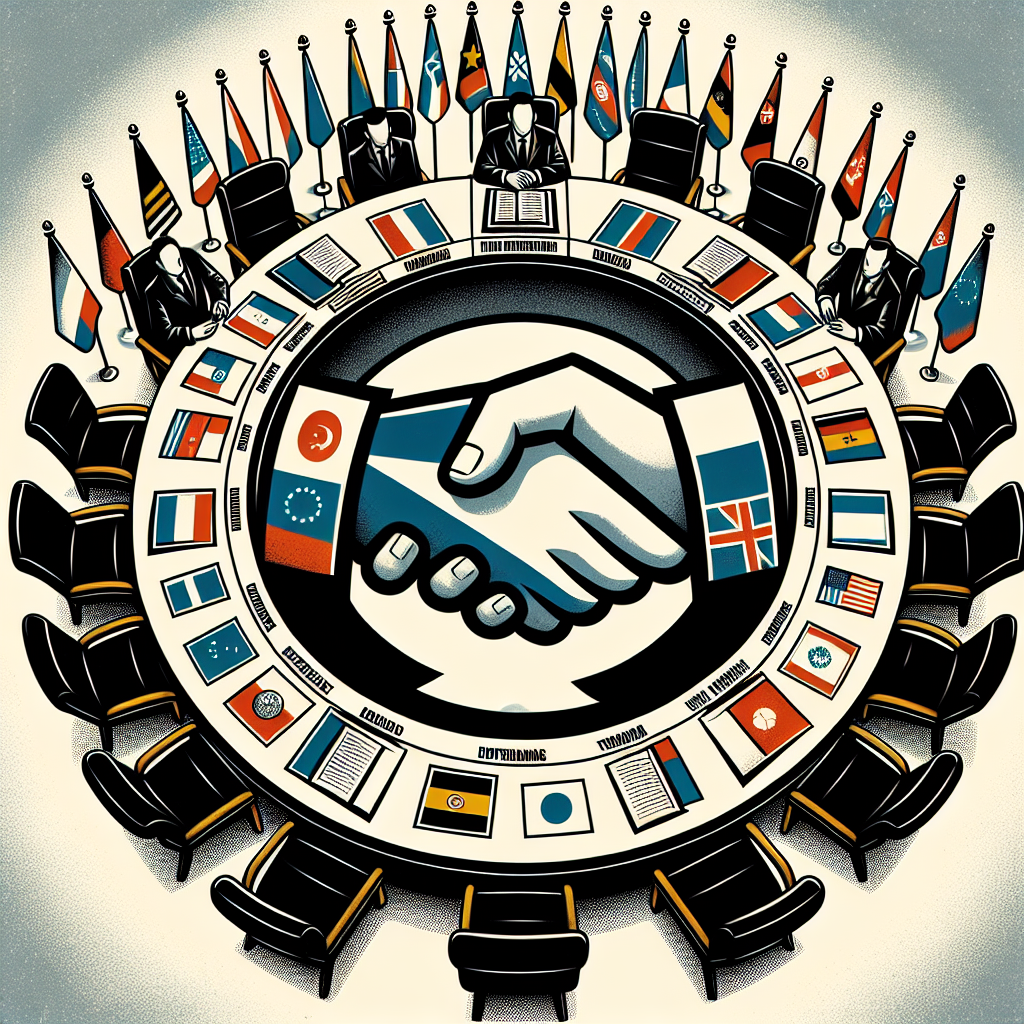
International organizations play a pivotal role in conflict resolution on a global scale, utilizing diplomacy, negotiations, and various frameworks to mitigate tensions and foster peaceful outcomes. As we navigate through 2025, the importance of these entities continues to grow, especially in light of ongoing geopolitical conflicts and humanitarian crises. This article will delve deep into the multifaceted roles of international organizations in resolving conflicts, exploring their methods, successes, challenges, and their evolving nature in an increasingly interconnected world.
The Evolution of International Organizations in Conflict Resolution
International organizations have been at the forefront of conflict resolution since the end of World War I, evolving significantly in their approaches and methodologies over the decades. The establishment of the League of Nations in 1920 marked one of the earliest attempts at fostering international cooperation to prevent conflict, although it ultimately failed to stop the escalation toward World War II. This historical context lays the groundwork for understanding the formation of the United Nations (UN) in 1945, which was designed to promote peace, security, and collaboration among nations. The UN’s Charter emphasizes the peaceful resolution of disputes, thus illustrating the enduring commitment to conflict resolution on a global scale.
Touring through the years, the role of international organizations in conflict resolution has adapted to reflect changing geopolitical landscapes and emerging global challenges. In 2025, we witness organizations like the United Nations, the African Union (AU), and the European Union (EU) employing more sophisticated strategies, including peacekeeping missions, mediation efforts, and preventive diplomacy. These organizations harness tools such as the responsibility to protect (R2P) framework and regional cooperation initiatives to address conflicts more effectively and engage in post-conflict reconstruction efforts, ensuring long-term stability.
Key Methods Utilized by International Organizations for Conflict Resolution
International organizations utilize a multifaceted array of methods for conflict resolution, which can be categorized into diplomacy, mediation, and peacekeeping operations. Diplomacy remains one of the oldest and most effective tools employed. It involves direct negotiations between conflicting parties, facilitated by neutral third parties, often from an international organization. For instance, back in 2023, the UN played a crucial role in mediating peace talks between the warring factions in Yemen, showcasing how diplomacy can help parties reach a consensus, ultimately reducing hostility and paving the way toward reconciliation.
Another essential method is mediation, where international organizations assist in negotiation processes without taking sides. The UN frequently engages in mediation efforts, aiming to transform conflicts into dialogues. The organization’s specialized agencies, such as the United Nations Development Programme (UNDP), aid in providing the necessary resources to support mediation initiatives. Mediation creates an environment where dialogue can occur, promoting understanding and cooperation among disputing parties, like the recent mediation efforts in the Ethiopia-Eritrea border dispute which helped avert a potential resurgence of violence.
Peacekeeping operations represent another critical function of international organizations in conflict resolution. In 2025, the UN peacekeeping missions are deployed to areas experiencing violent conflict or post-conflict situations. These missions aim to maintain peace and security by providing a buffer between warring parties, protecting civilians, and supporting the infrastructure for democratic governance. For example, ongoing UN missions in South Sudan work to stabilize the region by monitoring ceasefires and aiding in the disarmament of combatants, ultimately laying the groundwork for lasting peace.
The Impact of International Organizations on Peacebuilding Initiatives
The impact of international organizations extends beyond immediate conflict resolution; they also play a crucial role in peacebuilding initiatives that reconstruct societies ravaged by conflict. These initiatives often involve promoting good governance, strengthening civil society, and fostering economic development to prevent the recurrence of violence. In 2025, international organizations such as the World Bank and UNDP collaborate with local governments to implement sustainable development initiatives, addressing root causes of conflict like poverty and social inequality.
Effective peacebuilding requires the active participation of conflicted communities to ensure that solutions are culturally relevant and widely accepted. International organizations often facilitate dialogues between local stakeholders, ensuring that peacebuilding efforts are participatory and inclusive. By employing a bottom-up approach, organizations empower communities to take ownership of the peace process, fostering resilience against future conflicts. Successful examples abound, such as the local reconciliation efforts in Liberia post-civil war, where international organizations implemented grassroots programs, effectively reintegrating former combatants and promoting community healing.
Moreover, in the contemporary landscape, digital technology is becoming increasingly relevant in peacebuilding. International organizations are leveraging technological innovations to gather data, enhance communication, and facilitate dialogue among stakeholders. For instance, mobile applications are being utilized to monitor peace agreements and report violations in real-time, allowing for swift responses to emerging tensions. This tech-savvy approach significantly enhances the capacity of international organizations to address conflicts promptly and effectively while adapting to the realities of a digitally connected world.
Challenges Faced by International Organizations in Conflict Resolution
Despite their essential roles, international organizations face numerous challenges in conflict resolution. One significant hurdle is the complexity and multifaceted nature of modern conflicts, which often intertwine political, social, economic, and cultural dimensions. As seen in the Syrian conflict, entrenched interests and multiple actors complicate peace negotiations. International organizations must navigate these complexities carefully, often requiring innovative strategies to balance the interests of various parties while remaining neutral and effective in their efforts.
Another challenge is the issue of state sovereignty. Many governments resist external intervention in their internal affairs, viewing it as a breach of sovereignty. This resistance limits international organizations’ capacities to deploy peacekeeping forces or intervene in conflicts, as witnessed during the Rwandan genocide when the UN faced severe criticism for inaction. Gaining consent from conflicting parties while ensuring the safety and well-being of civilians remains a delicate balance that international organizations must continually negotiate.
Additionally, funding constraints also significantly hinder the effectiveness of international organizations in conflict resolution. The need for substantial financial resources to support long-term peacekeeping and reconstruction missions often places international organizations in precarious positions. In 2025, as conflicts around the globe escalate, the pressure to secure adequate funding for peacekeeping operations and humanitarian aid grows. The financial sustainability of international organizations depends on collective political will among member states, which can sometimes be inconsistent and affected by broader political dynamics.
Future of International Organizations in Conflict Resolution
Looking ahead, the future of international organizations in conflict resolution will likely be shaped by the ongoing evolution of global geopolitics, technological advancements, and the changing landscape of warfare. The rise of non-state actors, cyber warfare, and hybrid conflicts compel international organizations to adapt their strategies to address new realities. In response, organizations are increasingly exploring partnerships with non-governmental organizations (NGOs) and civil society actors, recognizing that local knowledge and expertise are crucial for effective conflict resolution.
International organizations must also embrace technological innovations that streamline conflict assessment processes and enhance the effectiveness of their interventions. Data analytics, artificial intelligence, and social media monitoring present opportunities to improve predictive capabilities and design tailored strategies for conflict resolution. By investing in technology and harnessing data-driven approaches, international organizations can better understand emerging conflicts and respond swiftly to mitigate potential escalations.
Finally, the shift toward a more inclusive and comprehensive approach in conflict resolution emphasizes the role of youth and marginalized groups, who often bear the brunt of conflict. International organizations are increasingly recognizing that sustainable peace must involve a wide array of voices, taking into account the perspectives of women, youth, and dispossessed populations. Involving diverse stakeholders from the inception of conflict resolution efforts will be paramount in creating lasting peace. This trend towards inclusivity not only strengthens initiatives but also addresses long-standing grievances that fuel conflicts.
Conclusion
In conclusion, international organizations remain indispensable actors in conflict resolution efforts across the globe. Their evolving roles, methodologies, and adaptive strategies reflect the complexities of the modern geopolitical landscape. By employing various tools such as diplomacy, mediation, and peacekeeping, these organizations work tirelessly to mitigate conflicts and promote sustainable peace. As we move deeper into 2025, the challenges faced by international organizations underscore the need for innovative solutions, enhanced cooperation, and comprehensive approaches to effectively address growing global tensions. As the world becomes increasingly interconnected, the importance of dialogue and collaboration among nations remains a paramount objective in ensuring a peaceful future.
FAQs
What are the main international organizations involved in conflict resolution?
The main international organizations involved in conflict resolution include the United Nations (UN), the African Union (AU), the European Union (EU), and the Organization of American States (OAS), among others. Each organization employs various methods, such as mediation and peacekeeping, to address conflicts.
How do international organizations intervene in conflicts?
International organizations intervene in conflicts through diplomatic negotiations, mediation efforts, peacekeeping missions, and facilitating inclusive dialogues among conflicting parties. They aim to create a conducive environment for reconciliation and stability.
What challenges do international organizations face in peacekeeping?
Challenges faced by international organizations in peacekeeping include state sovereignty issues, financial constraints, and the evolving nature of modern conflicts. Resistance from conflicting parties often complicates interventions, while inconsistent funding limits operational capabilities.
How has technology impacted conflict resolution by international organizations?
Technology has significantly impacted conflict resolution by enabling better data collection, analysis, and communication. Innovations like social media monitoring, mobile applications, and data analytics enhance the ability of international organizations to assess conflicts and devise effective responses.
What role do local communities play in the conflict resolution process?
Local communities play a critical role in the conflict resolution process by providing essential cultural insights, ensuring that peace initiatives are relevant and accepted. Involving stakeholders from various backgrounds fosters ownership and enhances the likelihood of sustainable peace.