The Role of Youth Activism in Shaping Political Trends
Introduction
In recent years, the impact of youth activism on political trends has become increasingly pronounced. As we dive into 2025, the voices of young people continue to rise, advocating for issues ranging from climate change to social justice and political reform. Their activism not only reflects their unique perspectives but also drives change on a global scale. This article explores the role of youth activism in shaping political trends, focusing on how this generational movement harnesses social media, community engagement, and grassroots organizing to influence public policy and discourse.
The Emergence of Youth Activism in the Political Landscape
Youth activism has emerged as a formidable force within the political landscape over the last decade. What began as social movements driven by individuals passionate about pressing issues has evolved into organized coalitions that actively shape policies worldwide. In 2025, we see a continuation of this evolution, with young activists leading campaigns on critical topics such as climate change, racial equality, and voting rights. The mobilization of youth around these issues reflects not only the urgency they perceive but also their willingness to hold leaders accountable.
The role of technology, particularly social media platforms, cannot be overlooked in understanding this emergence. Young people have mastered the art of digital communication, using platforms like TikTok, Instagram, and Twitter to amplify their messages. These channels have enabled youth activists to connect with audiences across geographical boundaries, garnering support from a diverse group of allies. Campaigns like the Global Climate Strike, initiated by Greta Thunberg, exemplify how young individuals can inspire mass participation, fundamentally altering the public conversation about climate policy.
Strategies Employed by Youth Activists
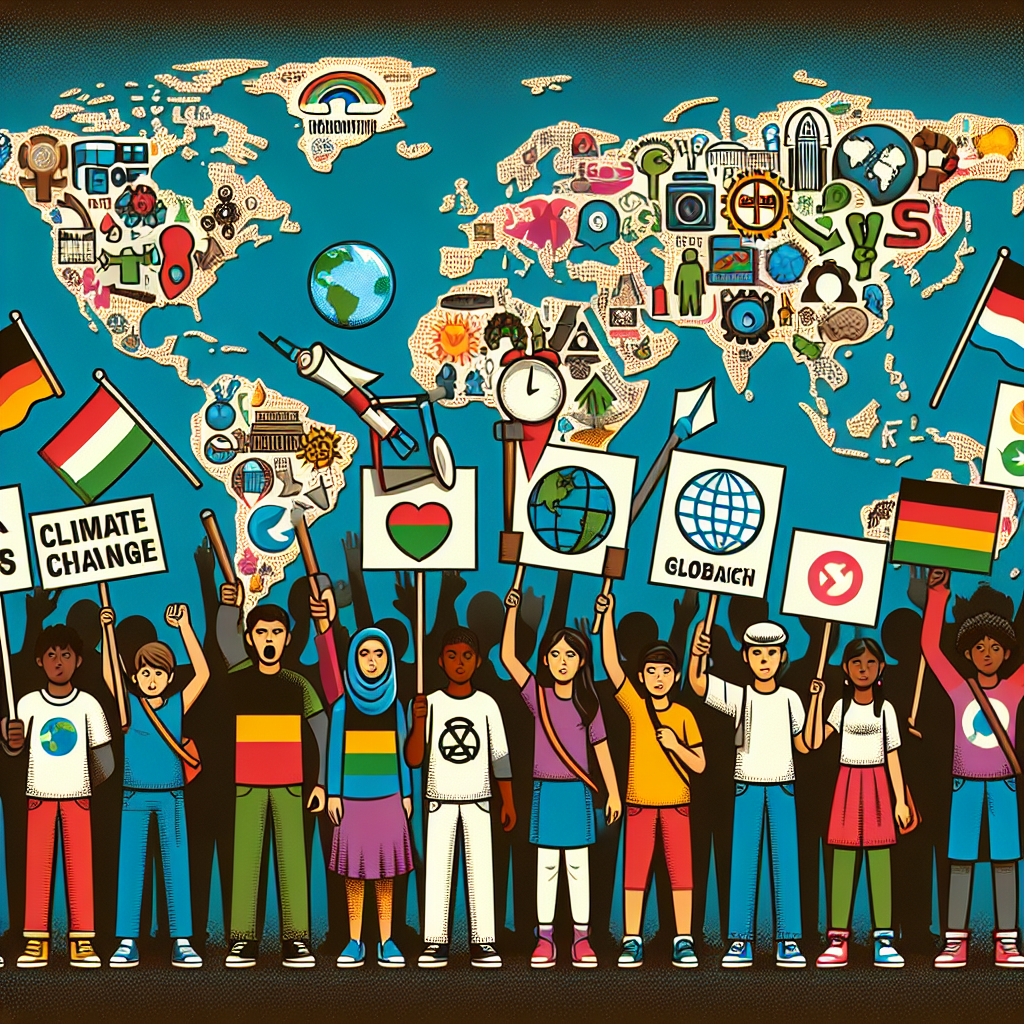
The success of youth activism largely relies on a variety of strategic approaches. Organizing protests, marches, and rallies has become a hallmark of youth-led movements. In 2025, tens of thousands of young people continue to gather to voice their demands, whether it is for climate action or social justice reform. These events not only raise awareness but also serve as a rallying point for solidarity among youth, showcasing their collective power. The sheer numbers involved send a strong message to policymakers and the public, demonstrating that the youth’s concerns are not to be ignored.
In addition to traditional forms of activism, youth activists are also engaging in digital campaigns that leverage online petitions, social media challenges, and educational content. For instance, the “Cancel the Climate Crisis” campaign harnesses the viral nature of social media to encourage young people to petition their governments for more urgent climate action. These efforts demonstrate a savvy understanding of how to reach and engage their peers, creating a broad-based movement that resonates deeply within communities.
The Impact of Educational Initiatives on Youth Activism
Educational initiatives play a crucial role in nurturing a politically aware and engaged youth. In 2025, many high schools and colleges offer programs that emphasize civic responsibility and activism. These educational frameworks encourage students to gain an understanding of the political systems affecting their lives and empower them to take action. By integrating topics such as social justice, environmental science, and economics into the curriculum, educational institutions help cultivate a generation of informed activists ready to tackle today’s pressing issues.
Moreover, initiatives led by organizations such as Generation Citizen have proven effective in providing young people with the tools they need to influence change. Through workshops and experiential learning, students engage with political processes, develop advocacy skills, and participate in real-world campaigns. This hands-on approach not only enhances their understanding of governance but also instills the belief that they can effect change. As a result, many graduates emerge from these programs with the confidence to engage in civic life and promote their causes.
Another critical aspect of educational initiatives is the inclusion of marginalized voices often overlooked in mainstream discourse. Programs focused on intersectionality within activism allow young people from diverse backgrounds to express their unique experiences and perspectives. This inclusivity enriches discussions and strengthens movements, ensuring they are representative of various societal segments and highlighting the interconnectedness of various social issues.
Challenges Faced by Youth Activists
Despite their growing influence, youth activists face numerous challenges that can hinder their efforts. One of the primary obstacles is a lack of access to resources, including funding and mentorship opportunities. Many grassroots movements are often run by volunteers who may not have the financial support or infrastructure required to sustain long-term campaigns. In 2025, as these activists strive to scale their efforts, securing funding from non-profit organizations or governmental grants has become a critical priority to maintain momentum and effectiveness.
Another significant challenge is the often negative portrayal of youth activists in mainstream media. Some narratives frame youth activism as naive or overly emotional, undermining the legitimacy of their concerns. This media bias can contribute to a lack of respect for the insights and ideas presented by young people. Efforts are being made to combat these stereotypes by fostering relationships with journalists and engaging in media training. By equipping youth activists with the skills to articulate their messages effectively, they can counteract misrepresentations and showcase the seriousness of their demands.
Additionally, the psychological toll of activism should not be overlooked. Many young activists experience burnout and mental health challenges as they navigate the pressures of advocating for massive societal changes. In the age of social media, where every failure is amplified, maintaining motivation can be particularly daunting. Organizations are increasingly recognizing the importance of mental health support for activists, incorporating wellness practices and community care into their programming to help sustain their passion and commitment to social change.
The Future of Youth Activism and Political Trends
Looking ahead, the future of youth activism is likely to further influence political trends and initiatives. With each passing year, more young people are becoming eligible to vote and participate in the political process. This trend suggests that issues championed by youth activists will increasingly shape electoral agendas and candidate platforms. In 2025, we’re already witnessing a shift in political discourse, with many lawmakers prioritizing climate policies and social equity initiatives, partly due to the persistent pressure from youth movements.
Moreover, climate change remains a defining crisis of our time, and youth activists are spearheading innovative solutions to address it. Campaigns focusing on sustainability, renewable energy, and environmental justice are gaining traction, increasingly becoming mainstream conversations in legislative spaces. The combination of grassroots activism with a strong scientific foundation gives these movements extra weight, prompting governments worldwide to commit to more ambitious climate goals.
Lastly, as global connectivity continues to increase, so too does the capacity for youth activists to collaborate across borders. We see movements like “Fridays for Future” inspire collective action in various countries, addressing issues spanning from climate to human rights on a global scale. This interconnectedness amplifies their message and underscores the universality of their demands. In 2025, as technology continues to evolve, the strategies employed by youth activists will only become more sophisticated, leveraging advancements to increase impact.
Conclusion
In conclusion, the role of youth activism in shaping political trends is undeniably significant. As we progress through 2025, young activists continue to push for transformative changes in a range of critical areas, harnessing the power of social media, education, and community organizing. While they face challenges such as resource constraints and societal perceptions, the resilience and determination of young activists ensure that their influence will not wane. The continued rise of youth activism presents both an opportunity and responsibility for society as a whole—celebrating the voices of young leaders and engaging with their calls for a better future is paramount to addressing the pressing issues of our time.
FAQs
What are the main issues that youth activists focus on in 2025?
In 2025, youth activists primarily focus on issues such as climate change, racial and gender equality, voting rights, mental health awareness, and social justice. These topics reflect their values and concern for a sustainable and equitable future.
How do youth activists utilize social media?
Youth activists leverage social media platforms to spread awareness, organize events, and mobilize supporters. They use viral challenges, educational posts, and live-streaming to engage their audiences, making their movements accessible and relatable.
What challenges do young activists face today?
Young activists today face challenges including limited resources, negative media portrayals, burnout, and mental health struggles. Addressing these challenges is crucial for sustaining their movements and continuing their advocacy efforts.
How can educational institutions support youth activism?
Educational institutions can support youth activism by incorporating civic education into their curriculums, providing mentorship programs, and fostering an inclusive environment that amplifies marginalized voices. This helps equip young activists with the tools necessary for effective advocacy.
What is the long-term impact of youth activism on political trends?
The long-term impact of youth activism on political trends includes more inclusive policies, greater political engagement, and the prioritization of pressing social issues by lawmakers. As more young people become voters and leaders, their perspectives will increasingly shape future political agendas.