Understanding the Intersection of Race and Class in Liberal Ideology
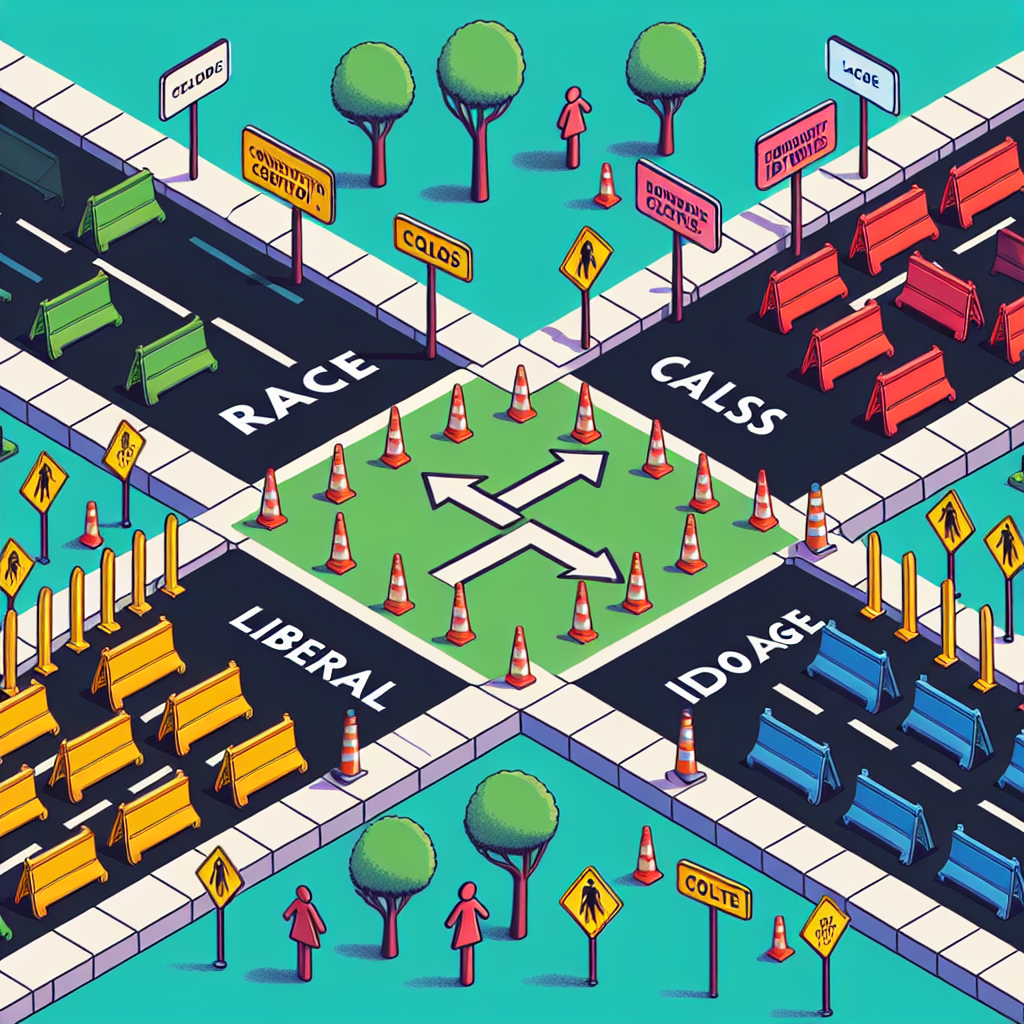
Understanding the Intersection of Race and Class in Liberal Ideology
The intersection of race and class within liberal ideology has become a pressing dialogue in contemporary society, particularly as we enter the mid-2020s. As discussions surrounding social justice gains momentum, understanding how liberal ideology addresses these interconnected issues is increasingly essential. This article will delve into the nuances of race and class within liberalism, examining how these factors contribute to policies, systemic inequalities, and cultural narratives. So, let’s explore the complexities surrounding this intersection and its implications in today’s socio-political landscape.
The Historical Context of Race and Class in Liberal Ideology
The roots of liberal ideology can be traced back to Enlightenment thinkers who championed individual rights, equality, and democratic governance. However, the practical realization of these ideals has often been marred by the persistent inequalities of race and class. In the United States, for instance, the contradiction between the founding ideals of liberty and the realities of slavery and segregation highlights a fundamental tension in liberal thought. The abolition of slavery laid the groundwork for future rights movements, but the intersection of race and class has continued to pose challenges for liberal ideology.
In the wake of the civil rights movement, the rise of identity politics in the late 20th century further complicated the discourse around race and class. Liberalism increasingly began to incorporate the voices and experiences of marginalized communities, acknowledging the specific challenges faced by various racial and economic groups. However, despite these advancements, debates persist on whether contemporary liberalism adequately addresses the intertwined nature of race and class. As we navigate the complexities of the 2020s, it remains crucial to revisit these historical narratives to understand their influence on current liberal frameworks.
The Current Landscape of Racial and Economic Inequality
As of 2025, racial and economic inequities continue to shape the lived experiences of individuals across the world. Data reveals that communities of color, particularly Black and Hispanic populations, endure disproportionately higher rates of poverty and unemployment compared to their white counterparts. This economic disparity can be attributed to historical injustices, such as redlining and discriminatory lending practices, that have systematically disenfranchised these communities. Consequently, liberal policies aimed at addressing these issues—such as affirmative action, minimum wage increases, and expanded access to healthcare—are pivotal in mitigating inequality.
Moreover, the COVID-19 pandemic highlighted and exacerbated these existing disparities. Research indicated that marginalized communities faced higher infection rates, economic instability, and limited access to healthcare, revealing the intersections of health, race, and class. As discussions of systemic racism and economic inequality continue to inform public policy, the challenge remains for liberal ideology to craft effective strategies that encompass both race and class as interconnected issues rather than isolated concerns.
The Role of Intersectionality in Understanding Liberal Ideology
A critical framework for understanding the intersection of race and class within liberal ideology is the concept of intersectionality, popularized by Kimberlé Crenshaw in the late 20th century. Intersectionality posits that individuals experience overlapping social identities, which can lead to compounded forms of discrimination. In the context of liberal ideology, acknowledging intersectionality is essential for creating responsive and equitable policies.
For instance, women of color often face unique challenges that are not adequately addressed by policies focused solely on gender or race. Liberal ideology has begun to embrace intersectional approaches, advocating for a more nuanced understanding of social justice that considers the multifaceted nature of oppression. However, the execution of intersectional policies remains challenged by competing interests within liberal circles, often leading to a struggle for prioritization in social activism and policy-making endeavors.
Additionally, as social movements continue to evolve in the mid-2020s, there is a growing push within liberal ideology to promote more comprehensive frameworks that integrate intersectional analysis. Activists and thinkers argue for policies that address economic disparities across diverse racial groups, focusing on how economic mobility solutions must account for historical and systemic barriers that persist today. This intersectional approach aims not just to create equality in opportunity but to dismantle the structural mechanisms that maintain racial and economic hierarchies.
The Impact of Liberal Policies on Race and Class Dynamics
Liberal policies enacted in recent years demonstrate both successes and shortcomings concerning race and class dynamics. For example, initiatives aimed at closing the wealth gap, such as student debt relief measures and universal basic income proposals, aim to provide a safety net for economically disadvantaged individuals. These policies have been largely supported by liberal constituents who recognize the need for robust government intervention to address systemic inequalities. However, the effectiveness of these policies in eradicating disparities remains contested.
Moreover, while liberalism has made strides towards inclusivity, the reality is that changes often occur at a slow pace due to political polarization. The pushback against progressive policies, particularly in the context of race, reveals a deep-seated resistance to addressing historical injustices. For instance, discussions surrounding reparations for slavery and the legacy of colonialism evoke polarized responses within the political sphere. Ultimately, the challenge for liberal ideology lies in fostering an environment that encourages bold policy initiatives while bridging divides among constituents.
Furthermore, the increasing awareness of social justice issues on platforms like social media has transformed public perception and activism. The rise of grassroots movements often emphasizes intersectionality, compelling liberal ideologies to adapt. As we progress through 2025, the demand for accountability and transparency in addressing racial and economic inequalities will remain a significant test for liberalism’s adaptability and commitment to its foundational values of equity and justice.
Future Directions for Liberal Ideology in Addressing Intersectionality
Looking towards the future, liberal ideology must evolve to more effectively address the intersections of race and class. This evolution involves not only integrating intersectional frameworks into policy-making processes but also fostering coalitions across different movements. By prioritizing collaboration between racial justice advocates, economic reformists, and environmental activists, a more comprehensive approach to systemic inequality can emerge.
Additionally, the need for education surrounding the complexities of race and class cannot be understated. As liberal ideologies adapt to contemporary challenges, creating spaces for open dialogue and understanding among diverse communities is vital. Educational initiatives that explore the intersectionality of race and class can equip individuals with the knowledge to advocate for nuanced solutions, further embedding these crucial discussions into societal norms.
Lastly, as we navigate the pressing global challenges of intractable poverty and climate change, it is essential for liberalism to integrate solutions that promote equity while addressing environmental sustainability. As communities most adversely affected by climate change often coincide with marginalized racial groups, prioritizing environmental justice as a core component of liberal ideology will be crucial for achieving lasting change.
Conclusion
Understanding the intersection of race and class in liberal ideology is vital for addressing systemic inequalities and promoting genuine social justice. As we advance through 2025, the need for intersectional approaches in liberal policies remains paramount. By acknowledging the intricate ties between race and class, embracing holistic frameworks, and advocating for more robust collaborations, liberal ideology can more effectively respond to the needs of all marginalized communities. The journey towards equity will undoubtedly be complex but necessary for advancing a society that truly embodies the liberal ideals of equality and justice for all.
FAQs
What is the importance of understanding the intersection of race and class?
Understanding the intersection of race and class is crucial for addressing systemic inequalities. It allows for the creation of policies that recognize multiple facets of identity and their impact on individuals’ socio-economic experiences.
How has liberal ideology evolved regarding race and class?
Liberal ideology has increasingly recognized the importance of intersectionality, including the historical context of race and class in shaping social justice movements and policies, adapting to reflect the interconnected nature of these issues.
What role do grassroots movements play in influencing liberal ideology?
Grassroots movements have significantly shaped the discourse around race and class within liberal ideology, advocating for more nuanced inclusive policies and pushing for accountability and transparency in addressing systemic injustices.
How can policies address both race and class effectively?
Effective policies can address both race and class by integrating intersectional frameworks that consider the unique experiences of marginalized communities, promoting collaboration between various socio-economic and racial advocacy groups.