Understanding the Shift Towards Authoritarianism

Understanding the Shift Towards Authoritarianism
In recent years, a notable trend has emerged around the globe—the shift towards authoritarianism. This phenomenon has captured the attention of political analysts, sociologists, and citizens alike as democracies grapple with increasing challenges to its foundational principles. The year 2025 has marked a significant juncture in this trajectory, revealing the complexities and motivations behind such a shift. This article aims to deeply explore the multifaceted aspects of authoritarianism and its implications for society, governance, and individual freedoms.
Historical Context of Authoritarianism
To fully understand the shift towards authoritarianism in the current landscape, it is essential to examine its historical context. Authoritarian regimes have existed throughout history, taking various forms—ranging from military dictatorships to one-party states. In the post-World War II era, especially during the Cold War, many countries fell under authoritarian rule, influenced by ideologies that favored centralized control over individual freedoms. Events such as the Vietnam War, the rise of the Soviet Union, and the Cuban Revolution exemplified how ideological battles often culminated in the consolidation of power, eroding democratic practices in favor of singular authority.
In the 21st century, we witnessed a disconcerting revival of authoritarian tendencies, marked by both political and economic crises. The 2008 financial collapse acted as a catalyst for many nations to adopt policies that favored strong centralized government control as a solution for instability. Political leaders began to capitalize on economic dissatisfaction, rallying support through populist rhetoric that often vilified democratic institutions as corrupt or ineffective. This historical backdrop elucidates why certain societies are more susceptible to embracing authoritarianism as a viable alternative during times of despair.
Factors Driving the Shift Towards Authoritarianism
The shift towards authoritarianism in 2025 can be attributed to a constellation of interrelated factors. Economic instability remains one of the most significant drivers. The COVID-19 pandemic not only exposed the vulnerabilities in global economies but also highlighted stark inequalities, providing fertile ground for disillusionment with democratic governance. In numerous countries, citizens faced job losses, government bailouts, and shifts in workforce dynamics. Authoritarian rulers often exploit this uncertainty by promising stability and security, leveraging fear of economic and social upheaval to consolidate their grip on power.
Moreover, the rapid advancement of technology plays a dual role in this shift. While digital platforms offer unprecedented avenues for free expression and organization, they also enable authoritarian regimes to surveil and suppress dissent. Governments have increasingly turned to sophisticated surveillance technologies—such as facial recognition and data mining—to monitor citizen activity online, breeding an atmosphere of fear and self-censorship. This technological double-edged sword complicates the narrative of freedom versus oppression, allowing regimes to maintain their authority under the guise of security and order.
The Role of Disinformation and Media Control
Disinformation has become a critical tool for authoritarian regimes, fueling the current shift towards undemocratic governance. The emergence of social media networks has heightened the reach and impact of misinformation campaigns, with the state and state-aligned entities often manipulating narratives to influence public opinion. In 2025, we see rampant examples of this phenomenon, where coordinated disinformation tactics aim to delegitimize opposition figures, undermine electoral processes, and paint authoritarian leaders as indispensable. Such efforts reinforce a narrative that legitimizes the erosion of democratic norms in favor of stronger, centralized control.
Media control serves as another pillar supporting authoritarianism. An informed citizenry is essential for a thriving democracy; however, many authoritarian governments have effectively stifled independent journalism, replacing it with state-sponsored propaganda. This strategic action not only limits the flow of accurate information to the public but also fosters a culture of fear among journalists and media personnel. The outright censorship or subtle coercion of media outlets ensures that alternative voices remain marginalized and that the ruling elite can dictate the public discourse.
Implications for Democracy and Human Rights
As the shift towards authoritarianism becomes increasingly pronounced, the implications for democracy and human rights are profound and concerning. The trend poses a direct threat to the core values of democratic governance, including accountability, transparency, and the right to dissent. Authoritarian regimes often curtail freedoms of speech and assembly, rendering citizens voiceless and disenfranchised. The erosion of democratic institutions not only undermines electoral processes but also affects the judiciary, law enforcement, and civil society organizations, further entrenching the authoritarian grip on power.
Beyond affecting individual rights, the shift to authoritarianism has human rights implications on a global scale. Authoritarian states often escape scrutiny and accountability for human rights abuses, emboldened by a lack of international pressure. The United Nations and other global institutions have struggled to respond effectively, and in many cases, powerful countries have prioritized strategic partnerships over human rights considerations. Such dynamics perpetuate a cycle of impunity, where violations become normalized and the rights of citizens are systematically disregarded.
In 2025, the response from civil society organizations and grassroots movements will be crucial in challenging this trend. Activism that champions democratic values and human rights has the potential to mobilize citizens, amplify marginalized voices, and regenerate democratic engagement. Innovative forms of peaceful resistance, such as online activism, artistic expression, and international coalition-building, can create avenues for systemic change that confront authoritarian regimes.
Global Responses to Authoritarianism
The global response to the rise of authoritarianism has been varied and inconsistent. Some nations have taken proactive measures to safeguard democratic values, including imposing sanctions against authoritarian regimes or providing support to democratic movements worldwide. In 2025, significant attention has centered on ensuring that international bodies like the UN and the European Union strengthen their frameworks for democratic governance. Such measures aim to hold authoritarian leaders accountable for their actions while fostering environments where democratic principles can flourish.
Conversely, there remains a faction of global leadership that seems complicit or indifferent to the deterioration of democracy. Realpolitik often takes precedence over ethical commitments, resulting in a lack of coherent strategy against rising authoritarianism. This incoherence can be exploited by authoritarian regimes, which portray themselves as stable alternatives to a chaotic global order while actively undermining the foundations of democracy. A cohesive strategy from democratic nations is essential if they are to effectively counter the allure of authoritarianism for disillusioned populations.
Another notable aspect of the global response lies in the realm of technology. In recognition of the role that digital platforms can play in both enabling and resisting authoritarianism, there has been a push for technology companies to prioritize privacy and ethical data policies. Ensuring that technological innovations support democratic engagement rather than repression will be a significant focus for activists, lawmakers, and tech leaders alike.
The Future of Governance: Alternatives to Authoritarianism
As we scrutinize the shift towards authoritarianism, it is essential to explore potential alternatives that can revitalize democratic governance. Greater public participation in decision-making processes can empower citizens and create more inclusive governance models. Innovations such as participatory budgeting, community forums, and digital platforms for civic engagement represent promising avenues for democratizing governance further, ensuring citizens feel valued and heard.
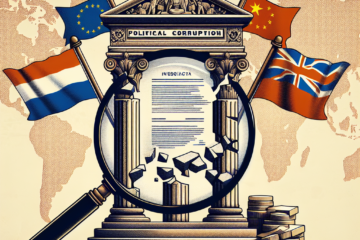
Moreover, reforming political systems to curb corruption and enhance accountability can help dismantle the allure of authoritarianism. By prioritizing transparency in governance and addressing the mechanisms that allow power to concentrate, societies can work to restore trust in democratic institutions. Building coalitions among civil society, grassroots organizations, and political leaders is pivotal in creating a groundswell of support for reforms that champion democratic values.
Finally, education plays a transformative role in shaping the future of governance. Promoting civic education and critical media literacy equips citizens with the tools necessary to discern misinformation and engage constructively in democratic processes. Fostering an engaged and informed citizenry can serve as a bulwark against authoritarianism, as individuals recognize their rights, responsibilities, and the power of collective action.
Conclusion
As we navigate through the complexities of 2025, understanding the shift towards authoritarianism is critical for policymakers, activists, and citizens alike. This widespread trend is underpinned by historical events, economic factors, technological advancements, and media dynamics. The implications for democracy and human rights are profound, necessitating thoughtful responses from civil society and global communities. By advocating for accountability, promoting alternatives to authoritarian governance, and empowering citizens, we can chart a path towards a future that reaffirms the values of democracy and human rights.
FAQs
What are the main characteristics of authoritarian regimes?
Authoritarian regimes typically exhibit centralized control, limited political pluralism, restricted civil liberties, and lack of accountability. Leaders in such regimes often maintain power through coercion, censorship, and manipulation of electoral processes.
How can citizens resist authoritarianism?
Citizens can resist authoritarianism through grassroots organizing, peaceful protests, advocating for democratic reforms, and utilizing technology for activism. Building coalitions among civil society organizations can amplify their influence.
What role does misinformation play in authoritarian regimes?
Misinformation serves as a tool for authoritarian regimes to manipulate public perception, discredit opponents, and consolidate power. By controlling narratives and information flow, they can undermine democratic processes and maintain authority.
How can international organizations help counter authoritarianism?
International organizations can leverage diplomatic pressure, impose sanctions against authoritarian leaders, and support democratic movements worldwide. Strengthening norms for democratic governance can also help create accountability mechanisms.
What future alternatives exist to counter authoritarianism?
Alternatives to authoritarianism include promoting public engagement in governance, reforming political systems to address corruption, and enhancing civic education to foster informed citizens who actively participate in democratic processes.