Upholding Traditional Values in a Changing World
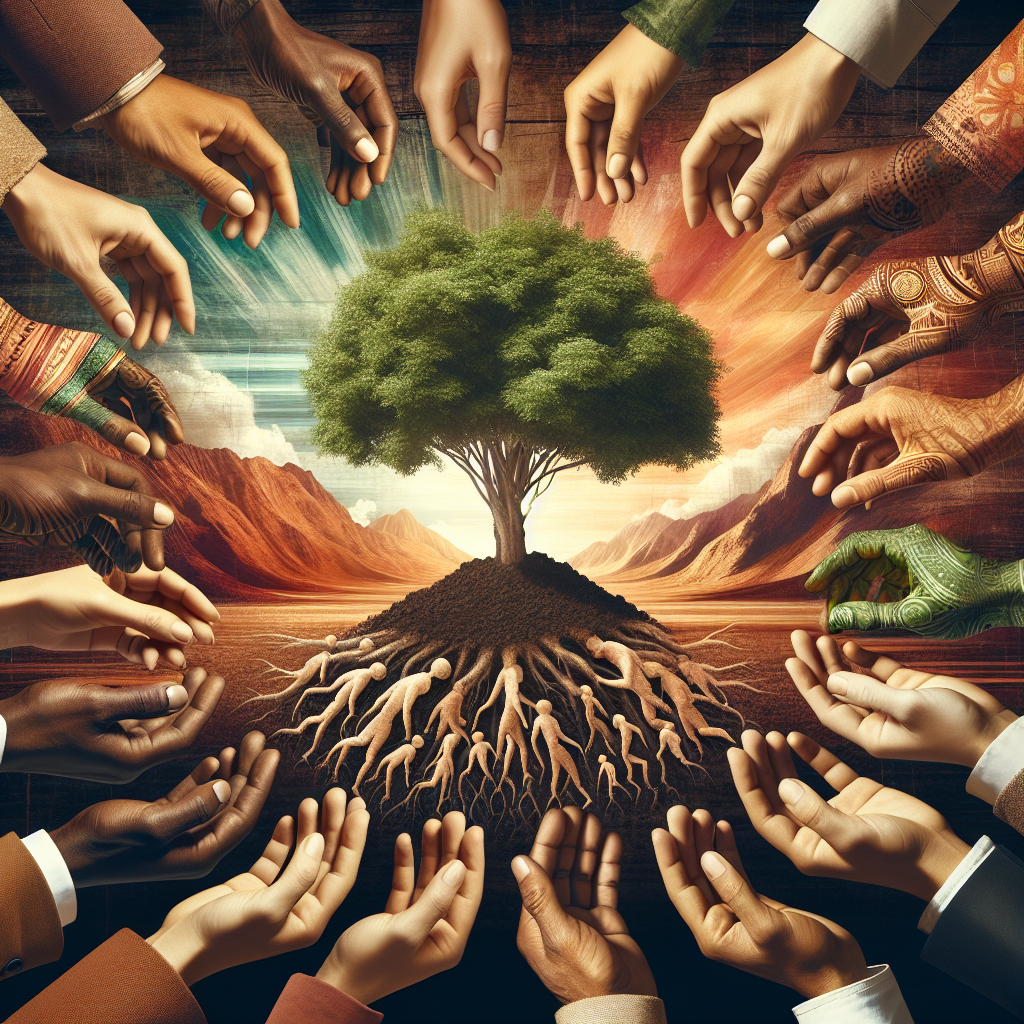
In today’s rapidly evolving world, upholding traditional values has become both a challenge and a necessity. As society transitions into 2025, we are faced with a whirlwind of technological advancements, shifting cultural norms, and a growing emphasis on individualism. Amidst all this change, many individuals and communities grapple with the question of how to preserve the time-honored values that have defined our social fabric. In this article, we will explore the importance of maintaining these traditional values in a changing world and how they can coexist with modernity.
The Importance of Traditional Values in Modern Society
Traditional values are the guiding principles that have shaped societies for generations. They encompass beliefs about family, morality, community, and respect for authority. As we navigate the complexities of life in 2025, these values serve as a beacon, offering stability in an increasingly chaotic environment. The importance of traditional values lies not just in their ability to provide a framework for individual behavior but also in their role in fostering social cohesion.
Communities that embrace traditional values often exhibit stronger interpersonal relationships and lower crime rates. Individuals raised with a sense of respect for family and community are more likely to engage in altruistic behaviors and contribute positively to society. For instance, family units that prioritize open communication and shared responsibilities tend to form healthier environments, leading to better outcomes for children. Upholding these values allows us to create a sense of belonging, something essential in a globally connected, yet culturally fragmented world.
Challenges to Upholding Traditional Values
The contemporary world presents numerous challenges to maintaining traditional values. With the rapid rise of the digital age, individuals are constantly bombarded with messages that often prioritize self-interest and individual success over the collective good. Social media platforms, in particular, can distort perceptions of reality and shift priorities away from time-honored values. In 2025, people are more susceptible to adopting new norms that can sometimes undermine deeply rooted beliefs, which can create tension within families and communities.
Moreover, globalization has introduced a plethora of cultures and ideas that may conflict with traditional values. As people gain exposure to diverse beliefs, there is often a push towards relativism—the idea that all beliefs are equally valid. This shift can lead to the erosion of traditional values, as individuals may feel pressured to abandon their heritage in favor of more contemporary viewpoints. To uphold traditional values, individuals and communities must navigate these challenges while reinforcing their own beliefs and practices.
Strategies for Preserving Traditional Values
To effectively uphold traditional values in a changing world, communities can adopt multiple proactive strategies. First and foremost, education plays a pivotal role. Integrating traditional values into academic curricula can encourage young people to appreciate their cultural heritage. Teaching history, literature, and ethics that reflect traditional values ensures that subsequent generations recognize their importance. Schools, families, and communities must work in tandem to create a comprehensive educational framework that highlights the significance of respecting traditions while engaging with contemporary issues.
Another vital strategy is fostering intergenerational dialogue. By creating forums where older generations can share their experiences and insights, younger individuals can understand the context and relevance of traditional values. In 2025, community centers and online platforms can facilitate these discussions, giving a voice to elders while promoting mutual respect. Encouraging conversations about the past while connecting them to present circumstances can help bridge the generational divide and strengthen communal ties.
Lastly, engaging in community events that celebrate traditional practices can solidify these values in tangible ways. Festivals, family gatherings, and cultural workshops allow individuals to experience their heritage firsthand. By immersing themselves in traditions, members of the community can cultivate pride and a sense of responsibility towards upholding these values. In 2025, local support for such initiatives—through businesses, schools, and nonprofit organizations—could foster an ecosystem that values tradition.
The Role of Technology in Supporting Traditional Values
While technology is often viewed as a force that undermines traditional values, it can also serve as a valuable tool for their preservation. In 2025, digital platforms can facilitate the sharing of cultural practices and traditions that might otherwise be lost. Social media channels, virtual reality experiences, and online educational programs can amplify voices that champion traditional values, creating a digital archive of knowledge and practices that can be passed down through generations.
Additionally, technology can enhance communication within families and communities. Video calls, social media, and specialized apps allow families to stay connected despite physical distances. This connection can be crucial for sharing traditions and values, particularly for families spread across different regions or countries. When relatives can participate in celebrations virtually, they reinforce their cultural ties and promote a collective identity, ensuring that traditional values remain at the forefront.
Moreover, tech-driven initiatives can empower community organizations to advocate for and preserve traditional values. Online platforms can mobilize grassroots movements that focus on cultural preservation, education, and heritage conservation. In 2025, leveraging technology for activism can help revive interest in traditional practices, facilitating partnerships between organizations nationwide to host events, share resources, and promote cultural awareness.
The Impact of Media on Traditional Values
The media landscape plays a significant role in shaping public perception and societal norms. In 2025, the influence of movies, television, and online content cannot be underestimated. Often, media representations of traditional values are streamlined, overly simplistic, or misrepresented. However, when creators choose to depict traditional values honestly, they can contribute to a richer understanding of their significance within contemporary contexts.
The portrayal of traditional values in media can serve both as a critique and celebration of these principles. Documentaries highlighting the importance of family bonds, stories of communities advocating for their heritage, or films promoting moral integrity can reinforce the presence of traditional values in society. In this way, media can be harnessed not just as an influence but as a mechanism for cultural reinforcement, enticing younger generations to appreciate and adopt these values.
Additionally, media literacy plays a vital role in how traditional values are interpreted. As we become more adept at discerning messages in an age of misinformation, understanding how to critically engage with media is essential. By fostering media literacy programs, individuals can better understand the importance of traditional values and their portrayal in popular culture. Armed with this critical perspective, they can engage with media content in a way that respects and promotes their cultural heritage.
Building a Future that Balances Tradition and Change
In an ever-evolving landscape, building a future that integrates traditional values with modern development is vital. The challenge lies not in the rejection of change but in maintaining a balance that respects and honors heritage. Education, intergenerational dialogue, and community engagement serve as the foundational pillars that can shape this future. As we progress through the year 2025 and beyond, we need to consciously intertwine traditional values into our everyday lives, ensuring they remain relevant and influential.
Collective commitment is essential to uphold these values within various sectors—education, governance, and community development. By promoting policies that protect cultural heritage, granting support to community initiatives, and encouraging family involvement, we can cultivate an environment where traditional values not only survive but thrive. This commitment must come from all sectors of society, as each plays a critical role in affirming the value of tradition amid modernity.
As we build this future, it is equally important to remain adaptable. While tradition provides a framework for our values, we must also be open to reinterpreting and evolving these values in response to contemporary issues. The ultimate goal is to create a society where traditional values and modern ideals can coexist and enrich one another, ultimately leading to a more harmonious community.
Conclusion
As we navigate the complexities of the year 2025, upholding traditional values in a changing world requires a multifaceted approach. By recognizing the importance of these values, addressing the challenges they face, employing effective strategies for preservation, harnessing technology, critically engaging with media, and forging a path that balances tradition with change, we can ensure that our cultural heritage continues to thrive. It is imperative that we honor our past while remaining adaptable to the future, creating a society that respects its traditional roots even as it blossoms into contemporary relevance.
FAQs
1. What are some examples of traditional values?
Traditional values include respect for family, community involvement, honesty, integrity, and responsibility. These values often reflect the cultural and moral fabric of society.
2. How can I teach my children about traditional values?
You can teach children about traditional values through storytelling, participating in cultural events, and encouraging open discussions about family history and morals.
3. What role do community events play in upholding traditional values?
Community events provide opportunities for individuals to celebrate and engage with their cultural heritage, fostering a sense of belonging and reinforcing traditional values among participants.
4. How does media influence traditional values today?
Media can shape perceptions of traditional values in both positive and negative ways, as it can either reinforce or challenge the importance of these values through its representation in content.
5. Can traditional values evolve over time?
Yes, while traditional values are often rooted in history, they can evolve to remain relevant and applicable in modern contexts, provided that the core principles are respected and maintained.