Voter Rights in the 21st Century: Challenges and Triumphs

Voter Rights in the 21st Century: Challenges and Triumphs
In the 21st century, the landscape of voter rights has undergone significant transformation, shaped by both groundbreaking advancements and persistent obstacles. From increased awareness and mobilization of diverse demographics to legislative actions aimed at both protecting and undermining access to the ballot, the journey through the complexities of voter rights is both tumultuous and hopeful. As we explore issues surrounding voter rights in 2025, we aim to uncover the current challenges and triumphs that define this ongoing struggle for equitable participation in democracy.
Understanding the Evolution of Voter Rights
Since the 2000s, the movement for voter rights has faced an evolving landscape influenced by historical precedents and contemporary challenges. The 2000 presidential election brought widespread scrutiny to the electoral process, highlighting systemic flaws and inspiring reforms that sought to enhance voter participation and accessibility. Legislative actions, including the Help America Vote Act (HAVA) of 2002, aimed to modernize voting technology and improve security, yet challenges persist. As the population diversifies, the need for inclusive frameworks that address the specific barriers faced by marginalized communities, including racial minorities and economically disadvantaged groups, has become increasingly evident.
In recent years leading up to 2025, the continued fight against voter suppression has seen grassroots movements rise to prominence. Activism centered around initiatives such as automatic voter registration, same-day registration, and mail-in voting has become critical in combating political efforts to restrict access. Advocacy groups have worked tirelessly, utilizing social media platforms and grassroots organizing to engage communities, raise awareness, and mobilize voters ahead of elections. By amplifying voices often marginalized in political discourse, activists aim to create a more robust and representative democratic process.
The Role of Legislation in Voter Rights
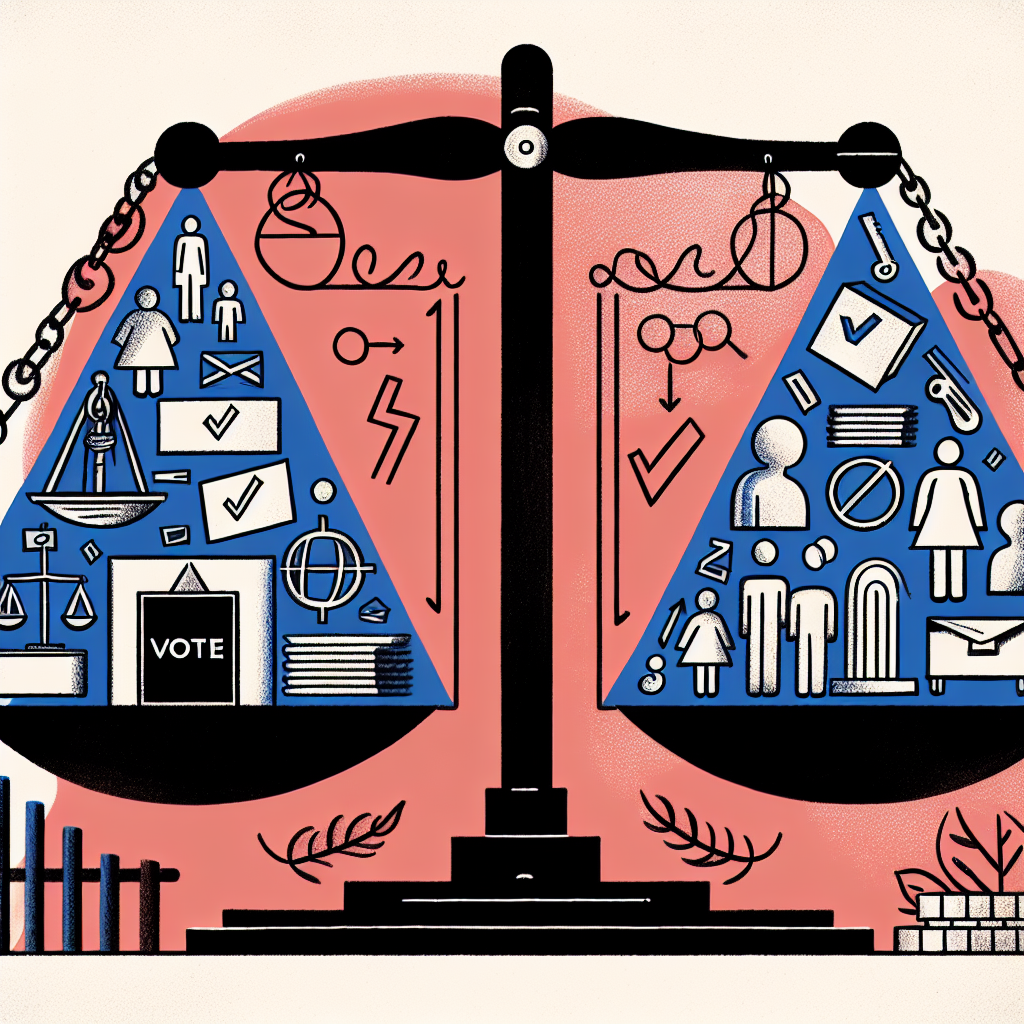
Legislation plays a pivotal role in shaping voter rights, either as a tool for empowerment or a mechanism for suppression. In the last several years, a multitude of state-level laws have surfaced that vary widely in their intent and impact. While numerous states have implemented legislations aimed at expanding voter access, such as universal mail-in ballots in California and early voting in Texas, others have enacted stringent voter ID laws and purges of voter rolls under the guise of preventing fraud. This legislative tug-of-war illustrates the contentious nature of voter rights in contemporary society.
Furthermore, the Supreme Court’s decisions on voting rights, especially post-Shelby County v. Holder (2013), have had lasting implications for how states can regulate elections. The ruling’s removal of preclearance requirements has allowed states with histories of discrimination to enact laws that disproportionately affect minority voters. As a result, advocates continue to push for renewed federal protections, exemplified by attempts to revive the Voting Rights Act of 1965 to adapt to modern challenges and ensure that every citizen’s voice is heard.
Challenges Facing Voter Rights Today
As of 2025, several significant challenges continue to mar the landscape of voter rights. Chief among these is the issue of voter suppression, which takes various forms across the country. Tactics such as strict identification requirements, gerrymandering, and limited access to polling places are strategically employed to disenfranchise voters, particularly those from underrepresented communities. Additionally, the COVID-19 pandemic accelerated new hurdles, showcasing the urgent need for safe, flexible voting options that are nonetheless met with resistance in some states.
Misinformation represents another considerable challenge impacting voter engagement and rights. Social media has become a double-edged sword, providing platforms for civic engagement while simultaneously acting as breeding grounds for false narratives surrounding voter fraud and election integrity. The prevalence of misinformation can create apathy and confusion among potential voters, further complicating efforts to mobilize populations that are already at risk of disenfranchisement. Combating this misinformation requires a collaborative approach involving civic organizations, social media companies, and educational institutions to promote accurate information and encourage informed voting.
Despite these challenges, numerous organizations and coalitions work diligently to protect and enhance voter rights in the United States. They address barriers to participation through litigation, education, and advocacy initiatives. For example, the American Civil Liberties Union (ACLU) and other civil rights groups are at the forefront of challenging laws that they deem discriminatory, revealing the vital role of legal action in safeguarding democratic participation.
Triumphs in Voter Rights Advocacy
In contrast to the daunting challenges, there have also been significant triumphs in the fight for voter rights in the 21st century. One of the most notable wins has been the successful advocacy for automatic voter registration (AVR) in various states, including Oregon and Washington. By streamlining the registration process, AVR has effectively increased voter enrollment and engagement, allowing more citizens to exercise their constitutional right to vote. Such reforms exemplify how strategic policy changes can yield tangible improvements regarding voter access and representation.
Moreover, the rise of youth activism has reinvigorated the conversation surrounding voter rights and responsibility. Movements spearheaded by younger generations, such as March for Our Lives and the Sunrise Movement, have not only championed policy changes around specific issues but also emphasized the importance of voting as a tool for change. Their efforts have encouraged increased political engagement among young voters, contributing to record-high turnout rates in recent elections. This surge among a demographic that was historically less engaged signifies a hopeful shift towards a more participatory democracy.
Technological innovations also play a crucial role in enhancing voter rights. As we enter 2025, advancements in digital voter registration and secure online voting platforms have emerged, aiming to make the voting process more accessible and efficient. While the digital divide remains a concern, efforts to broaden internet access are critical in ensuring that all demographics can engage in the electoral process effectively. The successful implementation of technology-driven solutions exemplifies a proactive approach to fostering inclusion and expanding voter access in a rapidly changing world.
The Importance of Education and Awareness
Education and awareness are fundamental components of advancing voter rights in the 21st century. With a growing number of states implementing complex voter registration and voting processes, equipping citizens with the information they need to participate effectively is crucial. Programs aimed at informing voters about their rights, deadlines, and the voting process itself can significantly improve participation rates. As organizations continue to develop outreach efforts tailored to specific communities, they foster environments where participation becomes not only a civic duty but also an accessible and rewarding experience.
Another critical aspect of voter education is the promotion of civic literacy. Schools and community organizations that emphasize understanding the political process, including the importance of local elections, can cultivate informed voters. By implementing comprehensive civic education programs at various educational levels, the next generation can be better prepared to engage meaningfully in the democratic process. Increased understanding of the impact of voting decisions on their lives will amplify civic participation across demographic lines.
Furthermore, social media platforms can serve as powerful tools for informing and mobilizing voters, given their prevalence in the modern age. Campaigns that harness the power of social media can effectively disseminate information, challenge misinformation, and create a sense of community around civic engagement. Through creative storytelling and relatable messaging, advocates can reach and inspire a broad audience, championing a more inclusive and informed electorate that is motivated to participate in shaping its future.
Future Directions for Voter Rights
Looking ahead, the future of voter rights in the 21st century hinges on continued advocacy and proactive measures to ensure that all citizens are afforded equal access to the electoral process. As new technologies emerge and voter demographics evolve, lawmakers and civic organizations must remain vigilant in addressing the complexities of modern voting rights challenges. Collaborations between grassroots organizations, policymakers, and technology innovators can create solutions that bolster voter engagement and dismantle the barriers that persist.
A crucial component of these future efforts is the pursuit of comprehensive electoral reform at the federal level. Initiatives aiming to secure the right to vote, including proposals for national standards on voting access, can address disparities across states. The promotion of policies such as universal automatic voter registration, expanded voting options, and the restoration of voting rights for previously incarcerated individuals can increase participation and foster a more just democratic process.
Additionally, cultivating a culture of inclusivity within political parties and organizations is essential to addressing the diverse needs of modern voters. By amplifying the voices of underrepresented groups and promoting candidates from various backgrounds, the political landscape can reflect the growing diversity of the electorate. This evolution not only enhances representation but also reinforces the notion that the democratic process can and should be shaped by all citizens.
In summary, the fight for voter rights in the 21st century is a complex and evolving narrative rich with challenges and triumphs. While systemic barriers remain, a grassroots movement toward greater inclusivity and equitable representation offers hope for the future of democracy. Informed citizens, empowered by their rights, will continue to shape the trajectory of voter rights advocacy, ensuring that every vote matters in shaping the future of our society.
FAQs
What are the main challenges facing voter rights today?
Challenges include voter suppression tactics, misinformation, and barriers to participation such as strict voter ID laws. These issues disproportionately affect marginalized communities and create obstacles to equitable electoral participation.
What measures have been taken to improve voter rights in recent years?
Measures such as automatic voter registration, expanded mail-in voting, and grassroots activism have been implemented to improve voter access. Legal actions and advocacy have also played significant roles in challenging oppressive laws.
Why is education so important for voter rights?
Education empowers citizens with knowledge about their voting rights and the electoral process, fostering civic engagement. Informed citizens are more likely to participate in elections and advocate for their rights. Through increased civic literacy, communities can build a stronger democracy.