What Political Debates Teach Us About Public Opinion Dynamics

Introduction
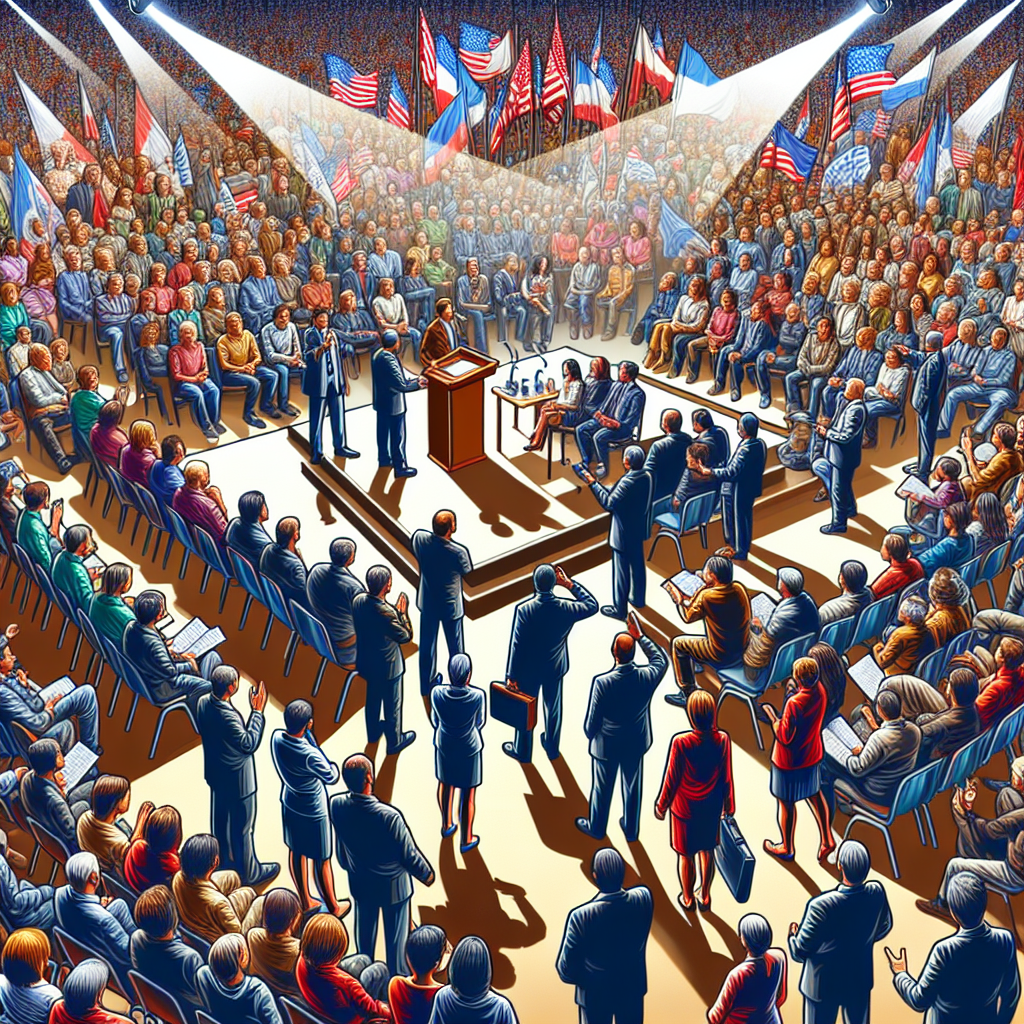
The influence of political debates on public opinion dynamics is a critical aspect of democratic discourse, particularly as we navigate the intricate landscape of 2025. In an era defined by rapid technological advancements, social media proliferation, and heightened political polarization, the way debates shape public sentiment cannot be overstated. This article delves deeply into what political debates teach us about public opinion dynamics, examining their role as platforms for persuasion, information dissemination, and voter mobilization. By understanding the nuanced relationship between debates and public opinion, we can gain valuable insights into how ideas are formed, challenged, and reshaped in the democratic process.
The Role of Political Debates in Shaping Public Perception
Political debates serve as a crucial battleground for candidates seeking to influence and shape public perception. As we have seen throughout history, from the Kennedy-Nixon debates in 1960 to the modern-day exchanges we witness in 2025, these forums provide voters with a direct line of communication to candidates. Debates allow individuals to assess the charisma, policies, and temperament of those vying for office. The immediacy of televised debates means that opinions can shift in real-time, influenced by soundbites, memorable moments, and unexpected exchanges.
In 2025, the integration of digital platforms has transformed the debate landscape even further. Candidates are not just engaging with audiences in real-time; they are also responding to online reactions instantaneously. This dual dynamic amplifies the stakes of each debate, as public opinion can mobilize or wane based on a candidate’s performance. Social media has become the new public square, where hashtags and viral moments can dictate the narrative following debates, ultimately affecting voter perceptions and preferences.
Audience Engagement and Interaction in Political Debates
The audience’s engagement during political debates plays a pivotal role in shaping the overall dynamics of public opinion. In 2025, the rise of interactive technology, like live polling and instant feedback apps, allows viewers to voice their opinions in real-time. This interactivity gives audiences a sense of agency, as they can influence the discourse surrounding debates and even the candidates themselves based on their impressions and reactions. Candidates may tailor their messages on stage, cognizant of immediate feedback from their audiences, whether in the room or online.
Moreover, audience dynamics differ based on demographics and social contexts. Young voters, for example, are increasingly adept at using social media to express their opinions during debates, often leading to different interpretations and discussions than those held by older generations. This generational gap in debate interpretation highlights how political debates are now not just a monologue from candidates but a multiparty dialogue that reflects the diverse voices and viewpoints within the electorate.
The Impact of Political Debates on Voter Turnout
Political debates significantly affect voter turnout, serving as catalysts for engagement during election cycles. Research suggests that voters are more likely to mobilize and participate when they feel informed and energized by compelling debate performances. In 2025, as multiple elections push the boundaries of civic engagement, debates offer a platform for candidates to clarify their positions and passionately advocate for their visions of governance. Candidates who effectively communicate their values and plans tend to galvanize support and drive turnout at the polls.
Furthermore, the perceptions formed during debates have a long-lasting impact. A strong debate performance can propel a candidate into the spotlight, motivating undecided voters to support them or redirecting the loyalties of previously committed supporters. In contrast, a poor performance can lead to a decrease in enthusiasm and turnout, illustrating how crucial these debates are in determining not only who might win but also the overall engagement level of the electorate.
The Evolution of Debate Formats and Their Influence on Public Opinion
Over the years, debate formats have evolved, impacting how candidates present themselves and how audiences receive their messages. Historically, debates have typically followed a structured format with set questions and time limits. However, in the digital age, the rise of informal discussions and town hall-style debates has allowed candidates to engage more directly and candidly with voters. This shift toward a more conversational format can help demystify complex issues and make political candidates seem more relatable, ultimately enhancing their appeal to the electorate.
In addition, the incorporation of fact-checking during and after debates has revolutionized how audiences perceive the accuracy and reliability of candidate statements. With instant access to information online, voters can quickly verify claims made during debates, fostering a more informed electorate. As a result, candidates are more cautious about their assertions, knowing that the public has the tools to challenge their accuracy. This shift not only affects the immediate outcomes of debates but also influences broader public trust in the political process and the information presented.
The Future of Political Debates and Public Opinion Trends
Looking ahead, the future of political debates is likely to be shaped by emerging technologies and societal trends. In 2025, we have witnessed the introduction of virtual reality debates and AI-driven conversations that allow voters to engage with candidates in immersive environments. This breakthrough technology could redefine how candidates approach public engagement, allowing for more profound interactions that break down traditional barriers between voters and politicians.
Moreover, as society grows more polarized, debates may become platforms for not just showcasing candidates but also addressing broader societal challenges such as misinformation and political entrenchment. Future debates could include collaborative discussions among candidates from different parties to foster bipartisanship and address critical issues facing the electorate. This evolution speaks to the growing demand for authenticity and cooperation in a political landscape often characterized by division.
Conclusion
Political debates are much more than mere rhetorical contests; they are pivotal events that shape public opinion dynamics. By examining the influence of debate performances on voter perception, engagement, turnout, and format evolution, we gain a clearer understanding of the multifaceted relationship between political discourse and public sentiment. As we move forward, the integration of technology and evolving societal expectations will undoubtedly continue to redefine the role of debates in the democratic process. Recognizing these trends and their implications for future elections will be essential for candidates, voters, and anyone invested in the health of democracy.
FAQs
How do political debates influence public opinion?
Political debates influence public opinion by providing candidates with a platform to communicate their policies and values directly to voters. Strong performances can shift perceptions and attract undecided voters, thus shaping overall public sentiment leading up to elections.
What role does social media play in political debates?
Social media plays a critical role in political debates by facilitating real-time audience engagement and feedback. It allows voters to share their opinions widely, contributing to the narrative that follows a debate and potentially influencing undecided voters.
How have debate formats changed over the years?
Debate formats have evolved to include more interactive and informal styles, such as town halls and virtual reality engagements. This evolution reflects changes in audience expectations and the demand for more relatable and accessible interactions with candidates.
What impact do debates have on voter turnout?
Debates can significantly impact voter turnout by energizing the electorate and providing clear distinctions between candidates. A compelling debate performance can mobilize public enthusiasm and drive voters to the polls.
Do fact-checking initiatives during debates affect public trust?
Yes, fact-checking initiatives during and after debates help enhance public trust by ensuring that voters can verify information presented by candidates. This awareness encourages candidates to be more accountable for their statements, fostering a more informed electorate.