Women in Political Debates: Breaking Barriers and Challenging Norms

Women in Political Debates: Breaking Barriers and Challenging Norms
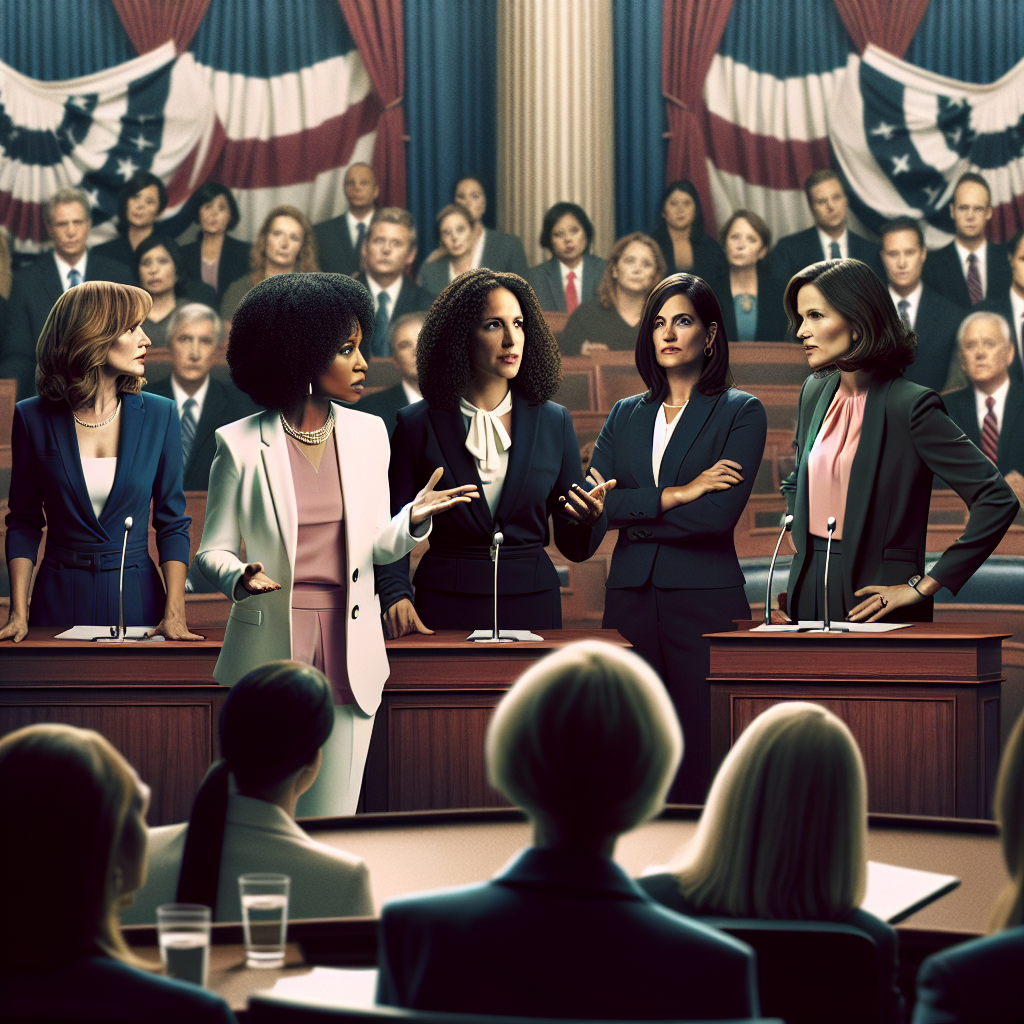
The landscape of political debates has evolved significantly, with women stepping into roles that were traditionally dominated by men. As we move into 2025, the increasing presence of women in political discussions and debates serves as a crucial barometer for measuring gender equality in governance. This article dives deep into how women in political debates are breaking barriers and challenging norms, reshaping societal perceptions, and making significant contributions to political discourse.
Historical Context of Women in Political Debates
From the early suffragette movements to contemporary political arenas, women’s involvement in political debates has undergone a remarkable transformation. Historically, women were often excluded from political discussions; a glaring example can be traced back to the 19th century when women had no voting rights and were often dismissed as unqualified to engage in political discourse. The tides began to change during the 20th century when women like Eleanor Roosevelt and Margaret Thatcher made their marks on the political scene, advocating for issues like social justice and economic reform, and paving the way for future female leaders.
Entering 2025, it is evident that the historical exclusion of women is progressively turning into their inclusion and dominance in political debates. Nationally televised debates, once male-centric, now highlight female candidates who deliver powerful messages and challenge patriarchal norms. Women leaders like Kamala Harris and Jacinda Ardern have not only achieved high office but have also redefined what it means to lead in a globalized world, showcasing empathy, resilience, and collaboration on the debate stage.
The Importance of Female Representation in Political Discourse
The inclusion of women in political debates is not just a matter of fairness; it has far-reaching implications for democracy and governance. Research indicates that diverse political representation leads to more comprehensive policy solutions and enhances governmental accountability. When women participate in debates, they bring unique perspectives shaped by their experiences, which can influence critical issues such as healthcare, education, and social equality. For instance, during the recent debates leading up to the 2025 elections, female candidates raised concerns about maternal health and child care—issues that are often sidelined in male-dominated conversations.
Moreover, female representation contributes to breaking stereotypes and altering public perceptions. When women take the stage alongside their male counterparts, it challenges the cliché that politics is a “man’s game.” Such visibility inspires future generations of women and girls, reinforcing the notion that they too can aspire to hold positions of power and influence. The positive feedback loop created by female representation in political debates fosters a more inclusive political environment that benefits everyone.
Impact of Social Media on Women in Political Debates
In the digital age, social media has transformed the dynamics of political debates, offering women an unprecedented platform to voice their opinions. Platforms like Twitter, Instagram, and TikTok have enabled female candidates to engage directly with voters, circumventing traditional media filters. This direct interaction empowers women to present their narratives, share their agendas, and interact with constituents on a personal level. During the 2025 debates, social media buzz provided insights and analysis in real-time, allowing voters to engage in discussions about candidates’ policies and character.
However, social media has its challenges. Female politicians often face a barrage of online harassment and misogyny, which can derail their candidacies and dissuade other women from participating in politics. The 2025 electoral cycle saw significant conversations around cyberbullying and the need for protective measures for women in politics. As more women enter the political arena, there is a growing call for both platforms and governance to address these issues and create a safer online environment. This juxtaposition of empowerment and vulnerability illustrates the complexities women face in modern political debates.
Exemplifying Leadership Through Effective Debate Strategies
Women politicians have shown that effective debate strategies not only involve mastering policy knowledge but also harnessing emotional intelligence. As debates proliferate globally in 2025, women leaders have demonstrated the importance of relatability and authenticity. Candidates like Stacey Abrams exemplify this approach, using personal anecdotes to connect with voters and articulate their policy visions. By sharing stories that resonate with everyday experiences, women can create a sense of trust and relatability that enhances their debate performances.
Strategically, women candidates often bring collaborative and consensus-building approaches to the debate stage, contrasting the more combative styles seen historically. This approach has proven valuable, especially in a politically polarized environment, as seen in the recent debates around climate change and economic reform. The ability to convey understanding and a willingness to work across party lines can be a significant advantage for female candidates aiming to appeal to a broader electorate.
Additionally, self-assertion has become a critical component of how women engage in political debates. The 2025 political landscape has highlighted how women can assert their positions firmly without resorting to anger or aggression, which society often unjustly attributes to female leaders. By cultivating a commanding presence and delivering well-structured arguments, women debaters not only sway public opinion but also redefine leadership norms and expectations.
Future Trends in Women’s Participation in Political Debates
Looking ahead, several trends suggest that the trajectory for women in political debates will continue to strengthen. The increasing visibility of women in politics is engendering a supportive network for budding female leaders. Initiatives aimed at training young women to engage in debate, public speaking, and political advocacy are gaining traction, indicating a robust pipeline for future political participation. Organizations dedicated to empowering women, such as Emily’s List and She Should Run, continue to grow, benefiting from a rising recognition of women’s influence in the electoral process.
Moreover, the rise of intersectionality within political discourse is vital. In 2025, women from diverse backgrounds—ethnic minorities, LGBTQ+ communities, and varying socio-economic statuses—are increasingly recognized for their roles in shaping political narratives. This inclusivity not only enriches debates by bringing varied perspectives but also enhances policy discussions, ensuring that marginalized voices are heard. The intertwining of these diverse experiences signifies a broadening of societal norms that, although challenging to navigate, is essential for progressive change.
Lastly, the engagement of men as allies in supporting women’s voices in political debates augurs well for future progress. Male leaders publicly endorsing female candidates and participating in conversations about gender equity can help to dismantle the systemic barriers that persist in the political sphere. Advocacy for shared leadership models in political parties can catalyze more collaborative environments that value contributions from all genders equally.
Conclusion
Women in political debates are not just participants; they are reshaping the political landscape by breaking barriers and challenging norms. The historical journey of women from exclusion to leadership showcases the importance of representation and diversity in political discourse. As we evolve further into 2025, the impact of social media, effective debate strategies, and the promise of the future all signify that women’s roles in politics will only grow stronger. The combination of resilience, innovation, and collaboration will continue to drive meaningful change, encouraging more women to take their rightful place in the political arena.
FAQs
What are some notable women who have made an impact in recent political debates?
Numerous women have made a significant impact in recent political debates, including Kamala Harris, Jacinda Ardern, and Stacey Abrams. Their unique approaches to leadership, empathy, and effective communication strategies have cemented their influence.
How has social media changed the landscape for women in political debates?
Social media provides women with platforms to engage directly with voters, present their narratives, and bypass traditional media filters. However, it also exposes them to online harassment, which poses challenges for their campaign efforts.
What strategies are effective for women in political debates?
Effective strategies for women include using personal anecdotes for relatability, employing emotional intelligence, and asserting their positions confidently. Collaborative approaches also resonate well with diverse audiences, building trust and understanding.
What is the significance of intersectionality in political debates?
Intersectionality brings multiple perspectives into political discourse, ensuring that issues affecting diverse groups are represented. This inclusivity enriches policy discussions and enhances the overall democratic process.
How can we promote greater female participation in political debates?
Promoting female participation can be achieved through initiatives that empower young women, training programs for public speaking and advocacy, and fostering supportive networks that help women navigate the political landscape.