Amplifying Voices: The Role of Art in Political Activism

Introduction
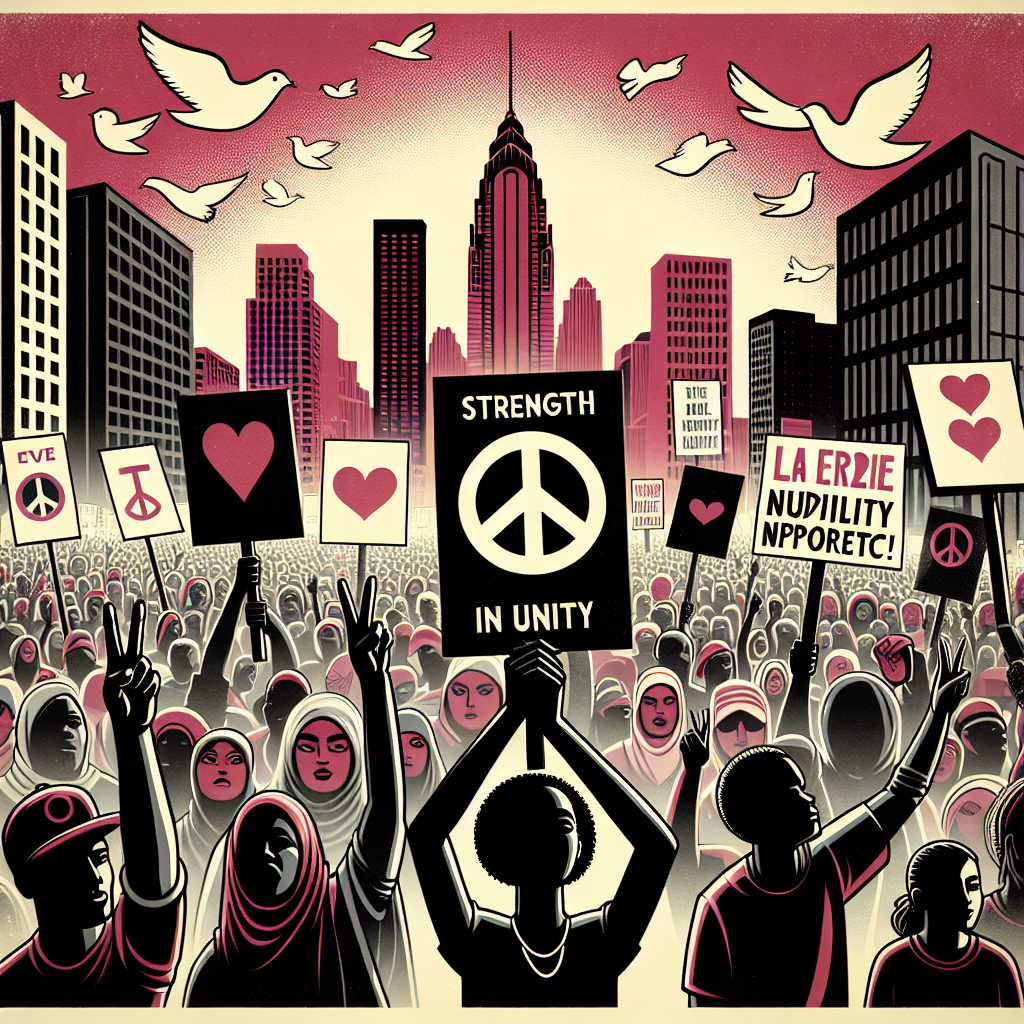
Art has always been a powerful vehicle for expression, serving as a catalyst for change and a means to amplify voices that often go unheard. In recent decades, as political landscapes have shifted globally, the role of art in political activism has gained renewed importance. From murals that adorn city streets to powerful plays that challenge the status quo, artists are leveraging their creativity to influence public opinion and drive social movements. In 2025, the dynamic interplay between art and activism has become even more pronounced, showcasing how art can be a potent tool for amplifying voices and fostering societal transformation.
The Historical Context: Understanding Art’s Role in Activism
Art has been intertwined with political movements for centuries, often serving as a reflection of societal issues and a critique of power structures. From the revolutionary songs of the 1960s civil rights movement to the striking visuals of the 1980s AIDS activism, artists have long played a critical role in shaping public discourse. This historical context is essential to understanding how art has evolved into a crucial medium for political activism in contemporary society.
In the digital age, the rise of social media has transformed the way art intersects with political activism. Platforms like Instagram and TikTok enable artists to share their work instantaneously with global audiences, fostering connections and mobilizing movements. For instance, in 2025, the hashtag #ArtForChange has emerged as a rallying point where artists showcase their political works, highlighting issues from climate change to racial equality. Such platforms not only amplify individual voices but also create a collective narrative that manifests in real-world action.
Artistic Movements: Representing the Underserved
The contemporary landscape of political art is rich with movements that strive to represent marginalized communities. Artists from various backgrounds are using their talents to address inequalities related to race, gender, and socioeconomic status. Through powerful symbolism and poignant storytelling, these artists not only bring awareness to pressing issues but also empower those who have historically been silenced.
In 2025, the “Voices Unheard” initiative brings together a diverse group of artists focusing on the experiences of refugees and displaced individuals. By capturing their stories through visual art, poetry, and performance, these artists aim to humanize often-abstract political discussions surrounding immigration. This initiative exemplifies how collaborative artistic efforts can elevate voices that might otherwise be overlooked, helping to foster empathy and understanding among wider audiences.
The Impact of Technology on Artistic Expression
As we navigate through 2025, the influence of technology on political art is undeniable. New media technologies have ushered in a wealth of opportunities for artists to experiment with innovative forms of expression. Virtual reality (VR) installations, augmented reality (AR) experiences, and digital art have become powerful tools for immersive storytelling, engaging audiences in ways that traditional art forms may not.
Notably, the rise of NFTs (non-fungible tokens) has empowered artists to monetize their work while promoting causes they care about. For example, several artists have released NFT collections that directly support social justice organizations, with proceeds going to frontline advocates. This blending of artistic innovation and activism serves to amplify messages while ensuring artists can sustain their creative endeavors in a rapidly changing economic landscape.
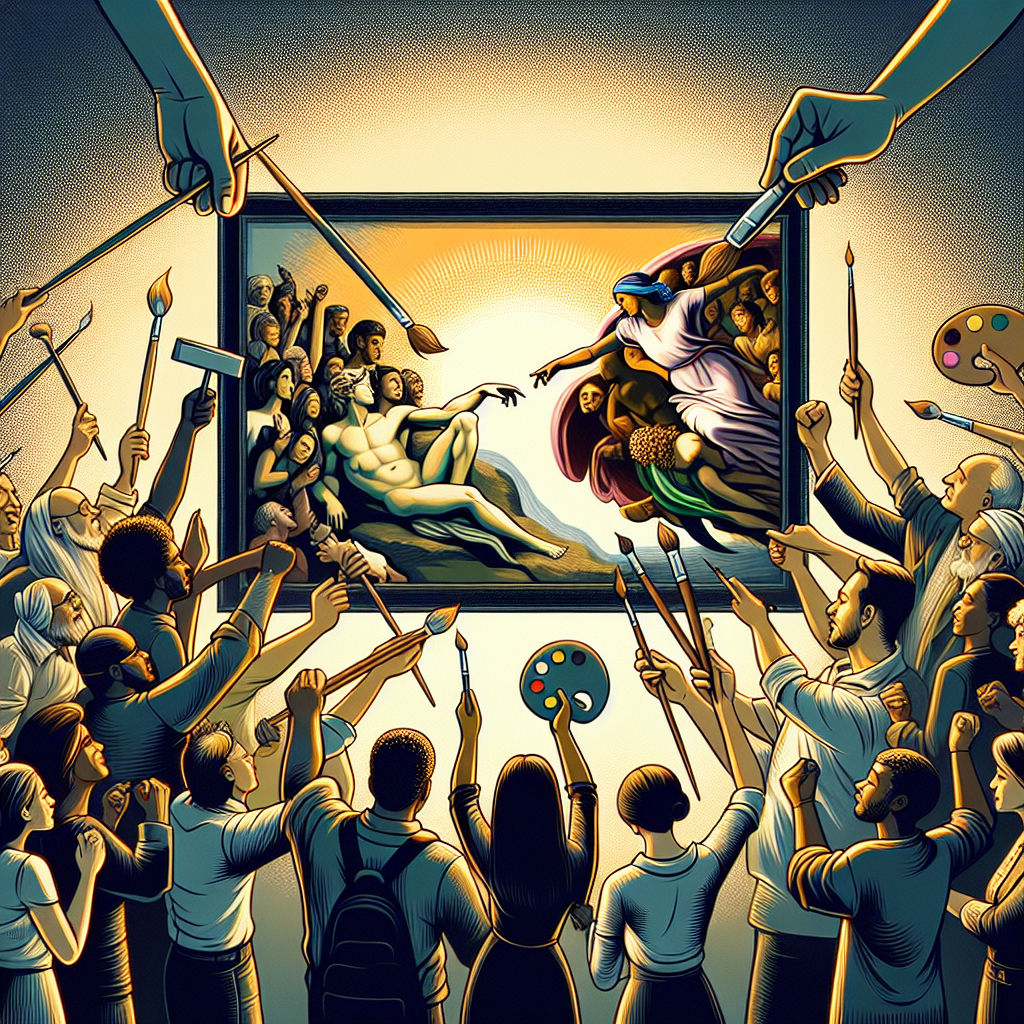
Furthermore, grassroots movements and community engagement have been amplified through technologies like live-streaming and crowdfunding. In 2025, many artists are using these technologies to involve communities in the creation of political art, thus encouraging collective ownership of the narratives that emerge. This democratization of art allows for a wider range of voices to participate in activism, effectively amplifying their impact on social change.
Case Studies: Recent Works that Inspire Change
Several recent artistic works exemplify the profound role of art in political activism and the ability to effect change. One notable example is “The Climate Wall,” a collaborative mural project created by artists around the globe in response to climate change. Set against the backdrop of the 2025 Climate Summit, this mural incorporates narratives from people directly affected by environmental degradation, showcasing the urgent need for action. The project’s viral engagement on social media has sparked conversations among policy-makers, community organizers, and youth activists, demonstrating the potential of participatory art in climate advocacy.
Another powerful case is the play “Voices of the Voiceless,” which premiered in late 2024 and continues to garner attention in 2025. This production weaves together personal stories from those impacted by systemic injustice—encompassing experiences of police brutality, economic disparity, and racial discrimination. The play’s widespread acclaim and subsequent tours highlight how theater can serve as a living archive of struggle while simultaneously fostering dialogue about pressing socio-political issues.
Additionally, digital artist Lina Malouf gained international recognition for her project “Reclaiming Histories,” which reimagines narratives often overlooked in traditional historical accounts. By utilizing stunning imagery and interactive multimedia, Malouf invites viewers to explore alternative perspectives, thus empowering marginalized voices along the way. This work underlines the importance of representation in art, asserting that the stories we choose to tell shape societal values and priorities.
Challenges and Ethical Considerations in Political Art
While art can undoubtedly serve as a powerful medium for advocacy, it also presents challenges and ethical dilemmas. The commodification of political art, particularly in the digital space, raises questions about authenticity and ownership. When artists monetize their work for activist purposes, there exists a tension between artistic intent and commercial viability. In 2025, many artists are grappling with these complexities, finding ways to stay true to their message while navigating a market-driven environment.
Moreover, the risk of appropriation remains a significant concern. As artists draw upon cultural influences, they must consider the implications of using symbols and narratives that may not be their own. Engaging with communities ethically and respectfully is essential to ensure that the art produced genuinely amplifies voices rather than co-opts them. In an era where social media amplifies artistic messages, understanding the line between inspiration and appropriation becomes increasingly crucial for artists committed to political activism.
Lastly, censorship and backlash pose significant threats to the relationship between art and activism. In 2025, many artists face opposition from institutions and governments attempting to silence dissent. These challenges often call for a reevaluation of the platforms that artists choose to utilize. Many are now leaning toward decentralized systems—such as blockchain-based platforms—that allow for greater creative freedom without fear of censorship.
Conclusion
The relationship between art and political activism is more vital than ever in our contemporary landscape. As we traverse complex social issues in 2025, artists are stepping up to amplify voices and advocate for change through innovative and powerful means. From historical perspectives to the technological advancements that shape expressions of dissent, the capacity of art to inspire and mobilize is profound. As we continue to witness the intersection of creativity and activism, it’s evident that art will remain a significant force for change, providing a platform for narratives that resonate across cultures and communities.
FAQs Section
What is the role of art in political activism?
Art plays a critical role in political activism by serving as a means of expression and a tool for raising awareness about social issues. It can mobilize public opinion, foster empathy, and amplify the voices of marginalized communities.
How has technology impacted political art in 2025?
In 2025, technology has transformed political art through new media platforms, virtual reality installations, and NFTs. These innovations allow for immersive storytelling and enable artists to reach broader audiences while also providing sustainable avenues for funding their work.
Can anyone participate in creating political art?
Yes, anyone can engage in creating political art! Whether through visual arts, performance, or digital mediums, individuals can express their views on social issues and contribute to narratives that effect change. Community engagement is essential for amplifying diverse voices in political art.