An Inside Look at the Ethics of Political Donations and Scandal


Introduction
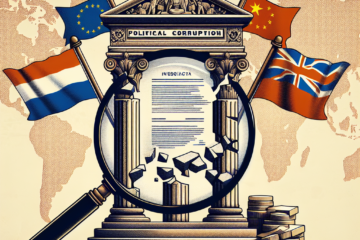
In 2025, political donations continue to play a pivotal role in shaping the landscape of governance and electoral outcomes. As citizens witness increasing scrutiny of political financing, the ethics surrounding these contributions have come to the forefront, raising vital questions about transparency, influence, and accountability. An inside look at the ethics of political donations and scandal serves not only to illuminate the complexities of fundraising but also to facilitate a greater understanding of the moral compass that guides these financial transactions in the political arena. This article delves into the intricate relationship between donations, scandals, and ethics, equipping readers with valuable insights into the impact of money in politics.
The Importance of Transparency in Political Donations
Transparency is the bedrock of ethical political donations, fostering a culture of trust between the electorate and elected officials. In 2025, with the rise of social media and digital platforms, voters are more informed than ever, demanding clarity regarding the sources of campaign funding. Recent legislative efforts have aimed to enhance transparency measures, ensuring that donors are clearly disclosed. For instance, enhanced Federal Election Commission (FEC) rules now require quicker disclosures of campaign contributions, reducing the lag time between donations and their public reporting. This swift dissemination of information empowers voters, enabling them to hold political figures accountable for their financial backing.
Moreover, transparency not only mitigates the risk of corruption but also levels the playing field for candidates. Many grassroots initiatives have emerged, advocating for small donations and public financing as alternatives to the overwhelming influence of large donors. By fostering an environment where every contribution counts, these movements challenge the traditional narratives that suggest only money can buy influence, thus redefining what it means to engage in political participation in modern democracies.
Understanding the Legal Boundaries of Political Donations
In the evolving landscape of political donations, understanding the legal frameworks that govern these contributions is essential for both donors and candidates. As of 2025, significant court rulings, such as those from the Supreme Court, continue to influence the regulatory environment of campaign financing. Landmark cases like Citizens United v. FEC have set precedents that permit unlimited contributions from corporations and unions, complicating the ethical implications of monetary support in politics. The ongoing debates surrounding the legality of dark money and Super PACs raise important questions about the integrity of the electoral process, as these entities often operate outside traditional regulatory frameworks, making it difficult to trace the origins of their funding.
Furthermore, the disparity in the enforcement of existing laws often leads to questions about fairness. While some politicians may navigate this complex system with apparent ease due to established connections or vast resources, others struggle to comply with the same rules. Understanding these legal boundaries not only equips stakeholders with the knowledge necessary to operate within the confines of the law but also underlines the need for potential reforms to close loopholes that may lead to ethical concerns around influence and power.
The Rise of Scandals Associated with Political Donations
The landscape of political donations is fraught with potential scandals, which can unravel careers and shake public trust. In recent years, numerous high-profile cases have shed light on the darker sides of campaign financing. From allegations of bribery to misallocated funds, scandals often arise from perceived or real improprieties linked to donations. In 2025, several key cases have emerged, triggering scrutiny of not just ethical conduct, but also the broader implications on electoral integrity. The public outrage that accompanies these scandals frequently leads to calls for more stringent regulations on campaign financing, ultimately questioning whether current efforts are sufficient to combat the slippery slope of corruption.
One notable case involved a prominent senator accused of accepting substantial donations from a major corporation in exchange for favorable legislation. The fallout from these allegations resulted in a comprehensive investigation that not only aimed to determine the truth behind these claims but also sought to address broader systemic issues related to corporate influence in politics. This incident serves as a reminder of how donations can blur the lines between ethical governance and potential misconduct, prompting discussions on what constitutes a conflict of interest and the standards public officials should adhere to.
Another dimension of scandals tied to political donations is the evolving narrative surrounding social media and viral misinformation. The intertwining of donations and digital platforms has given rise to scenarios where misinformation campaigns can reshape public perception about a candidate’s financial backing. In 2025, a series of viral posts claiming a candidate was funded by shadowy foreign entities not only misrepresented facts but highlighted the potential harm inflicted on reputations through irresponsible sharing of information. As scandals proliferate, they remind us of the pressing need for ethical literacy in both politics and media consumption.
Addressing the Ethical Dilemmas of Corporate Donations
Corporate donations represent a significant source of campaign funding and present unique ethical dilemmas. As we navigate through the dynamics of 2025, the relationship between corporations and political candidates is under intense scrutiny. On one hand, corporations argue that their contributions enhance political competitiveness and provide necessary resources for democratic processes; on the other, critics question the implications of such financial ties on policy-making. Ethical concerns arise when corporations leverage their financial clout to shape legislation that may not align with public interest, highlighting the potential conflict between profit-seeking motives and the greater good.
Furthermore, the growing trend of corporations engaging in political activism has blurred the lines between support and complicity. In 2025, instances have surfaced where companies publicly support specific candidates or policies—and subsequently face backlash when their advocacy is perceived as self-serving. This raises the question: can corporate donations ever truly be altruistic? As companies navigate a world where public opinion can shift rapidly, the challenge of maintaining ethical standards in their political contributions becomes increasingly complex, demanding a re-examination of the role of corporate ethics in campaign finance.
Lastly, as society grapples with issues such as climate change and social justice, the implications of corporate donations extend beyond mere financial transactions. Donor transparency has become paramount, allowing voters to scrutinize whether corporate contributions align with the candidates’ positions on critical issues. The need for ethical stewardship in political donations has emerged as a pivotal responsibility for corporations, with the expectation that they not only refrain from corrupt practices but also contribute positively towards societal change.
The Future of Political Donations and Ethical Governance
Looking ahead, the landscape of political donations is poised for transformation as public sentiment shifts toward demanding accountability and ethical governance. The events of 2025 serve as a bellwether for future trends, with movements advocating for campaign finance reform gaining momentum. Innovative approaches, such as publicly financed elections and donor-matching systems, are being explored to reduce the reliance on large donations, thereby fostering a more equitable political playing field. These reforms hold the potential to enhance voter engagement and demystify the process of campaign financing.
Technological advancements are also set to reshape the realm of political donations. Cryptocurrency and blockchain technology promise greater transparency and traceability in funding sources, allowing voters to track donations in real time. As these technologies evolve, they prepare for a next-generation approach to political financing that embraces ethical considerations while encouraging wider participation from everyday citizens. This shift towards incorporating technology into the political finance system aligns with current expectations for transparency and accountability within governance structures.
Finally, fostering a culture of ethical engagement in politics requires a collective effort from all stakeholders—candidates, donors, and citizens alike. As 2025 unfolds, it is vital for the electorate to stay informed and scrutinize the funding sources of candidates. Engaging in conversations about the ethics of political donations, advocating for reform, and committing to transparency will shape the future of democracy. Ultimately, as citizens become more vigilant and active participants in the democratic process, the power of money in politics may shift towards a more ethical and accountable framework.
Conclusion
In summary, the ethics of political donations and scandal is a complex and evolving landscape that demands ongoing scrutiny and engagement. As we analyze the importance of transparency, grasp the legal boundaries, recognize the rise of scandals, address the ethical dilemmas posed by corporate donations, and anticipate the future of political financing, it is clear that these elements are intertwined in shaping the essence of democratic governance. The events of 2025 not only highlight the pressing need for ethical standards within political donations but also signify an opportunity for reform and greater accountability. Empowering citizens to partake in this discourse is crucial, as they hold the key to driving positive change and reinforcing the integrity of the political process.
FAQs
What is the role of money in modern politics?
Money plays a crucial role in modern politics, often determining the competitiveness of candidates in elections. It influences campaign strategies, outreach efforts, and ultimately, electoral outcomes.
How do political donations affect voter trust?
Political donations can significantly impact voter trust, especially when perceived as leading to corruption or undue influence. Transparency in donations is essential to maintain trust between voters and their elected officials.
What are the recent reforms in political donation regulations?
Recent reforms emphasize enhanced transparency, quicker reporting of contributions, and calls for reducing the influence of dark money. These reforms aim to ensure that campaign financing is ethical and accountable.
What are dark money contributions?
Dark money refers to political spending by organizations that do not disclose their donors. This funding often raises concerns about the influence of undisclosed sources on public policy and electoral outcomes.
What ethical considerations should corporate donors keep in mind?
Corporate donors should prioritize transparency, align their contributions with ethical governance, and consider the broader societal implications of their donations to avoid conflicts of interest and enhance public trust.