Analyzing the Effects of Gerrymandering on Electoral Outcomes

Introduction
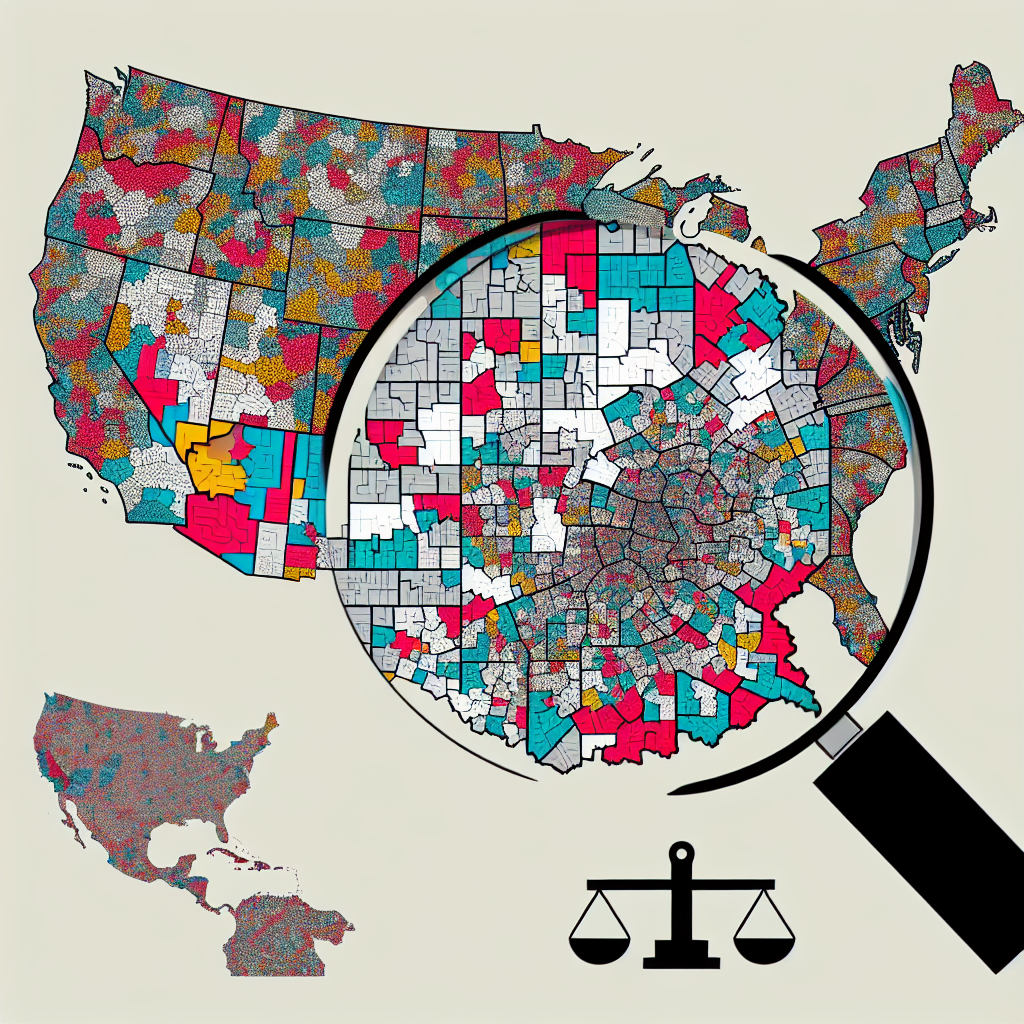
Gerrymandering, the manipulation of electoral district boundaries to favor one political party over another, remains a contentious issue in American politics. As we navigate through 2025, the analysis of the effects of gerrymandering on electoral outcomes becomes increasingly critical. This phenomenon not only influences who gets elected but also affects voter turnout, representation equity, and public trust in the democratic process. In this article, we delve into the intricacies of gerrymandering, examining its implications on electoral dynamics and the overall health of democracy in the United States.
Understanding Gerrymandering and Its Origins
To grasp the full impact of gerrymandering, it is essential to first understand its origins and the mechanisms through which it operates. The term “gerrymandering” originated in 1812 when Governor Elbridge Gerry of Massachusetts signed a bill that redistricted the state to benefit his party. Over the centuries, this practice has evolved into a systematic method used by both major political parties to secure electoral advantages. Gerrymandering involves the deliberate drawing of district lines to pack a particular demographic into fewer districts or to dilute their influence across multiple districts, thereby skewing representation.
The impact of gerrymandering extends beyond just altering district maps; it plays a pivotal role in shaping political landscapes and voter behavior. By designing districts to favor one party, politicians can effectively silence opposition voices and entrench their own power. This results in a lack of competitive races, leading to increased apathy among voters who feel their votes carry less weight. As we analyze electoral outcomes in 2025, the consequences of gerrymandering become evident, as many districts fail to reflect the true political opinions of their constituents.
The Statistical Evidence of Gerrymandering Effects
Statistical analyses of electoral data provide compelling insights into the consequences of gerrymandering. Studies conducted in 2025 reveal that many districts exhibit extreme disparities between the percentage of votes received by a party and the percentage of seats won. This phenomenon, often referred to as “wasted votes,” occurs when a significant number of votes do not contribute to the election of a candidate. In fact, analyses indicate that in many gerrymandered districts, the winning party receives a disproportionately high number of seats relative to its share of the vote—a clear indicator of systemic misrepresentation.
Moreover, gerrymandering has been shown to exacerbate polarization within political parties. By creating safe districts, candidates are incentivized to cater to the extremes of their party base rather than move toward the center to attract undecided voters. This results in a gridlock within legislative bodies, as representatives from gerrymandered districts often feel little pressure to compromise. In 2025, with increasing political divisiveness, the effects of gerrymandering are more pronounced than ever, highlighting the urgent need for reforms aimed at ensuring fair representation.
The Social Implications of Gerrymandering on Voter Engagement
The social implications of gerrymandering extend deeply into voter engagement and political participation. When voters feel that their districts are designed to disenfranchise them, the likelihood of voter turnout diminishes significantly. In many gerrymandered districts, especially those with a clear partisan advantage, voters often express disillusionment with the electoral process. Reports indicate that in elections from 2023 to 2025, voter turnout plummeted in heavily gerrymandered areas, with many citizens opting to abstain from participating in elections altogether.
Additionally, the effects of gerrymandering also manifest in community and minority representation. Marginalized communities often find their political voices diluted in districts that do not reflect their demographic makeup. As communities become fragmented through gerrymandering, the challenges associated with advocating for their needs grow dire. Social movements in 2025 have risen in response to this disenfranchisement, as advocacy groups push for independent redistricting commissions and transparency in district drawing processes. The connection between gerrymandering and social justice calls for a re-evaluation of how district lines are created and highlights the importance of inclusivity in the political arena.
The Role of Technology and Data Analytics in Redistricting
In the current landscape of 2025, technological advancements and data analytics play a transformative role in the redistricting process. With the capability of processing vast amounts of demographic data, political operatives are better equipped than ever to create highly optimized district maps. Algorithms can be employed to identify patterns in voting behavior, enabling the intentional clustering or dispersing of certain populations in ways that maximize electoral advantage. While this enhances political strategy, it raises ethical questions about the fairness of such practices.
Interestingly, technology also fuels the efforts for reform in gerrymandering. Numerous initiatives utilize public mapping tools and open data platforms to allow citizens to get involved in the redistricting process. By making mapping tools accessible, advocacy groups empower citizens to challenge unfair district designs and take an active role in the electoral process. In 2025, this merging of technology with grassroots activism offers a glimmer of hope against the backdrop of entrenched gerrymandering practices, as more citizens demand transparency and accountability in how their electoral boundaries are drawn.
Legal Challenges and Legislative Efforts Against Gerrymandering
Legal battles over gerrymandering continue to unfold in 2025, as various state and federal courts grapple with the constitutionality of partisan redistricting practices. Landmark cases have emerged in several states, where citizens and advocacy groups challenge the legitimacy of gerrymandered maps through litigation. The Supreme Court, in particular, has taken an interest in cases challenging the limits of partisan gerrymandering. As judicial precedents evolve, the implications for future redistricting efforts remain uncertain, leaving both parties to strategize around a shifting legal landscape.
In addition to court cases, legislative efforts aimed at curbing gerrymandering are gaining momentum. Numerous states have introduced bills to establish independent redistricting commissions to take the drawing of district lines out of the hands of partisan politicians. These commissions aim to create fairer, more equitable maps that accurately reflect the electorate’s demographic makeup. In 2025, there is a growing consensus among legislators from both parties that fair representation is essential for restoring public trust in the political process, yet resistance from entrenched political interests continues to pose a significant challenge.
Conclusion
Analyzing the effects of gerrymandering on electoral outcomes is crucial for understanding the current political reality in the United States. With implications reaching into voter engagement, social justice, technological advancements, and ongoing legal battles, the call for reform remains loud. As we move further into 2025, the conversation around gerrymandering is more relevant than ever, demanding urgent attention from policymakers, activists, and citizens alike. Ultimately, ensuring fair representation and combating gerrymandering is vital for the health of democracy, as it empowers every voter and enriches the democratic process.
FAQs
What is gerrymandering?
Gerrymandering is the practice of drawing electoral district boundaries in a way that gives one political party an advantage over others.
How does gerrymandering affect voter turnout?
Gerrymandering can lead to decreased voter turnout as citizens in heavily manipulated districts may feel that their votes carry less weight, leading to disillusionment with the electoral process.
What are independent redistricting commissions?
Independent redistricting commissions are non-partisan bodies established to draw district lines, with the goal of reducing the influence of political parties in the redistricting process and ensuring fair representation.
How can technology help combat gerrymandering?
Technology can help combat gerrymandering by providing public mapping tools and transparency, allowing citizens to participate in the redistricting process and challenge unfair district designs.
What are the legal challenges related to gerrymandering?
Legal challenges to gerrymandering often focus on the constitutionality of partisan redistricting practices, with courts assessing whether district maps violate principles of fair representation.
Why is gerrymandering a bipartisan issue?
While gerrymandering is often associated with one party, both major political parties have used the practice to their advantage when in power, making it a bipartisan issue that affects the entire political landscape.