Analyzing the Influence of Identity Politics on Elections

Introduction
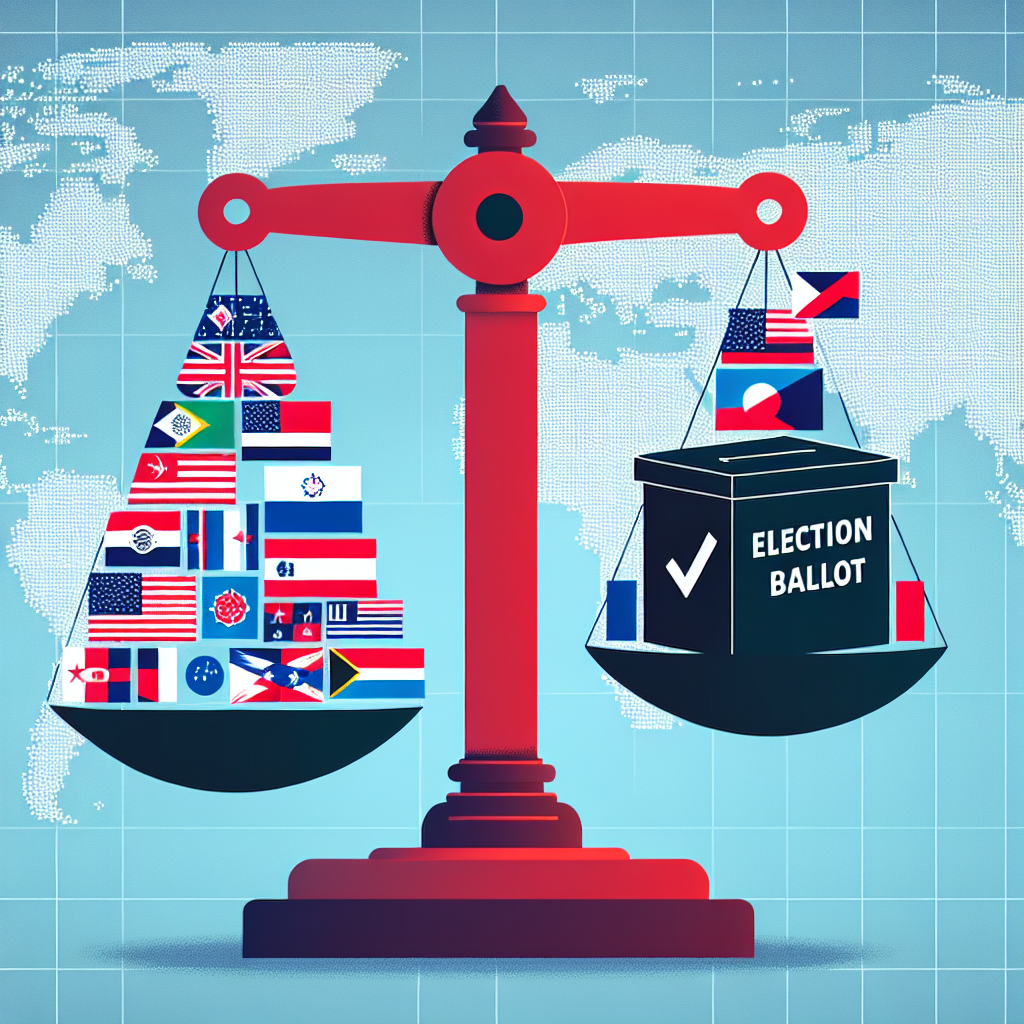
In recent years, the political landscape has been increasingly shaped by identity politics, which plays a vital role in elections across the globe. As voters become more engaged and informed about issues related to race, gender, sexual orientation, and class, political parties are compelled to adapt their strategies to resonate with diverse demographics. Analyzing the influence of identity politics on elections is essential for understanding voter behavior, party platforms, and the overall political climate leading up to major electoral events. This article delves into the intricacies of identity politics within the context of elections, offering a comprehensive exploration of its effects and implications.
Understanding Identity Politics in the Electoral Context
Identity politics refers to the organized efforts of various social groups to promote their interests and concerns based on shared characteristics, experiences, or identities. In the electoral context, this framework becomes crucial as candidates and political parties increasingly tailor their messages to resonate with specific constituencies. The year 2025 has seen a remarkable shift in political campaigns, reflecting a more nuanced understanding of electorate diversity. As identity politics continues to shape political discourse, candidates now recognize that engaging voters requires more than just broad policy discussions; it demands a deep comprehension of the unique challenges and aspirations faced by different identity groups.
Furthermore, the visibility of various social movements, such as Black Lives Matter and LGBTQ+ rights advocates, has influenced how political parties formulate their platforms. The demand for representation and inclusivity has steered candidates to prioritize issues such as racial equity, gender equality, and immigrant rights. This trend indicates a clear response to the social justice movements that have emerged in recent years, suggesting that identity politics is no longer a peripheral consideration but a central pillar of electoral strategy.
How Identity Politics Influences Voter Behavior
The impact of identity politics on voter behavior is profound and multifaceted. Research indicates that voters are increasingly likely to cast their ballots based on how well they feel their identities are represented by candidates. In 2025, polling data shows a significant correlation between voter turnout and candidates who actively address identity-specific issues. For instance, candidates advocating for comprehensive reforms on issues like police accountability or reproductive rights significantly galvanize support from communities that directly experience these challenges.
Additionally, the discourse surrounding identity politics encourages voters to see themselves as part of broader collective movements. This emerging phenomenon can lead to a sense of solidarity among marginalized groups, wherein they mobilize to support candidates who advocate for their rights and interests. The year 2025 has illustrated this trend, with many candidates recognizing the importance of intersectionality—the interconnected nature of social categorizations such as race, class, and gender—and how these intersections affect voter preferences and priorities.
The Role of Social Media in Amplifying Identity Politics
In the digital age, social media has become a powerful tool in amplifying the dialogues around identity politics. Platforms like Twitter, Instagram, and TikTok allow activists and political movements to share their messages, mobilizing support and engagement rapidly. In 2025, the influence of social media on electoral campaigns has been monumental; candidates often utilize these platforms to connect directly with constituents, particularly younger voters who are typically more engaged online. Campaigns that effectively harness social media can create a narrative that resonates on a personal level, fostering a sense of relevance and urgency that translates into voter turnout.
Moreover, social media acts as a double-edged sword. While it provides a platform for marginalized voices and highlights social justice issues, it can also perpetuate division and misinformation. Extreme polarization on social media can create echo chambers, where individuals only engage with like-minded opinions, further entrenching identity-based affiliations. This dynamic complicates electoral strategies as candidates must navigate a landscape where their messaging may be distorted or amplified beyond their control.
The Strategic Advantages of Identity Politics in Campaigning
Political parties have recognized identity politics as a strategic advantage in campaigning. By curating messages that resonate with specific identity groups, parties can build robust coalitions that transcend traditional party lines. In the 2025 elections, candidates employing identity-focused strategies have seen positive outcomes, particularly in swing states where diverse demographics play pivotal roles. Such campaigns often center on themes of empowerment and representation, which resonate strongly with voters who may have felt marginalized or forgotten by mainstream politics.
Furthermore, successful candidates in 2025 have framed their platforms in inclusive ways that address multiple identity concerns simultaneously. This adaptive strategy acknowledges the complexity of voters’ lived experiences, allowing candidates to appeal to a broader audience while still catering to specific identity groups. For instance, candidates addressing climate change often emphasize its disproportionate impact on low-income and minority communities, merging environmental issues with identity politics to galvanize broader support.
The Challenges and Risks of Identity Politics
Despite the advantages, relying heavily on identity politics can pose challenges and risks for candidates and parties. One potential pitfall is the alienation of voters who may feel that their identities are not represented, leading to division and resentment. In 2025, some candidates have faced backlash for appearing to prioritize certain identity groups over others, resulting in claims of tokenism or exclusionary practices. This backlash can fracture electoral coalitions, making it essential for candidates to strike a balance between advocacy and inclusivity.
Moreover, the oversimplification of complex identities into single narratives can be detrimental. Voters are multi-dimensional and often intersect across various identities; reducing these experiences to straightforward categories can result in political missteps. Candidates must approach identity politics with sensitivity and a deep understanding of the nuances involved to effectively engage diverse voter bases without falling into the trap of stereotyping or pandering.
Conclusion
Analyzing the influence of identity politics on elections reveals a complex interplay between voter behavior, campaign strategies, and social movements. As we navigate the political landscape in 2025, it is evident that identity politics significantly shapes candidate platforms and voter mobilization efforts. The effects of social media have amplified voices, while the challenges it presents require candidates to proceed with caution. Ultimately, understanding the intricacies of identity politics is crucial for both political parties and voters, as it creates opportunities for more inclusive and representative electoral processes.
FAQs
What is identity politics and why is it important in elections?
Identity politics refers to the interests and concerns of specific groups based on shared characteristics. It is important in elections because it influences voter behavior, campaign strategies, and the broader political landscape, ensuring diverse representation and advocacy for marginalized groups.
How does social media impact identity politics?
Social media amplifies discussions around identity politics by providing a platform for activism and engagement. It enables candidates to connect with constituents directly and can influence voter turnout. However, it can also create polarization and misinformation.
What are the risks associated with identity politics in campaigning?
The risks include potential alienation of voters who feel excluded, oversimplification of identities, and backlash for perceived favoritism towards specific groups. Candidates must navigate these challenges carefully to maintain broad appeal while advocating for marginalized communities.