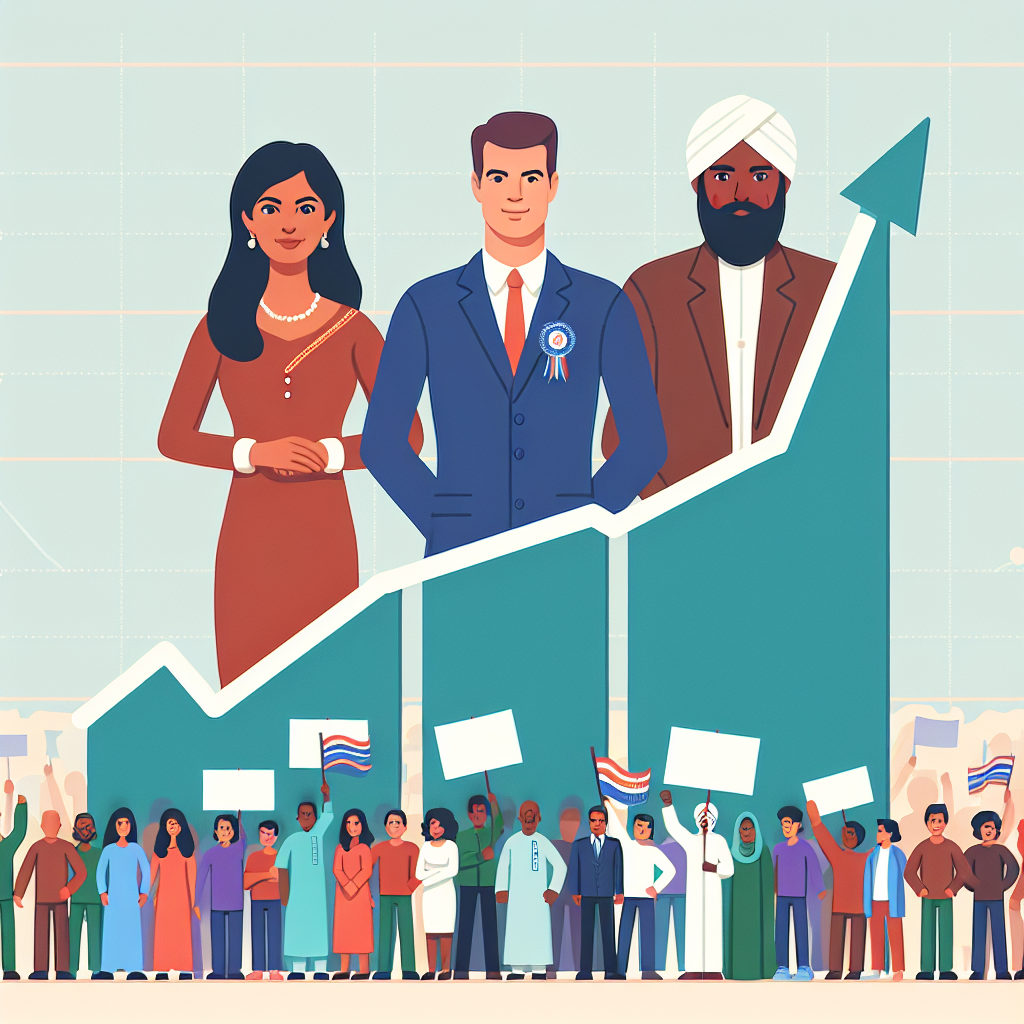
Analyzing the Rise of Independent Candidates in Elections
The landscape of modern elections has been significantly reshaped by the emergence and rise of independent candidates. As traditional party lines blur and voter dissatisfaction grows, independent candidates are capitalizing on the public’s yearning for fresh ideas and authentic representation. In recent elections, especially as we move through 2025, these candidates have gained unprecedented traction, challenging established norms and altering the dynamics of political campaigns. This article delves into the reasons behind their rise, the impact on the electoral process, and the future of independent candidates in elections.
The Changing Political Climate: A Surge in Independent Candidates
The political environment in 2025 reflects a growing discontent with the two-party system that has dominated American politics for centuries. As more voters express frustration with the conventional Democratic and Republican parties, independent candidates have emerged as viable alternatives. Factors such as political polarization, a lack of trust in established parties, and an increasing desire for authenticity in political discourse have catalyzed this shift. Independents, who often position themselves as citizens rather than partisans, resonate with a public yearning for change.
Additionally, the proliferation of social media platforms and digital communication has emboldened independent candidates. These tools allow them to reach a broader audience with fewer resources compared to traditional campaign methods. By leveraging social media, independents can cultivate a direct connection with voters, share their messages widely, and mobilize support more effectively than ever before. This democratization of information enables new voices to emerge, providing voters with alternatives that were not previously accessible.
Transformative Voter Behavior: Understanding the Shift
The rise of independent candidates has been closely linked to a transformation in voter behavior. Today’s electorate is more informed and engaged than in previous generations. A significant portion of voters, particularly younger demographics, identifies as independent, reflecting a growing disillusionment with partisan politics. This change is evident in polling data, which indicates that increasing numbers of registered voters do not associate with party affiliations. This shift suggests that voters are prioritizing candidates’ values and policies over party loyalty.
As elections unfold in 2025, independents are capturing the attention of a sizeable demographic through grassroots campaigns and focused messaging that appeals to specific needs. Issues such as climate change, social justice, and economic inequality are at the forefront of their platforms. These candidates often advocate for solutions that straddle party lines, appealing to a broader audience and engaging voters from diverse backgrounds. Thus, their rise signals a transformative moment in electoral politics, where voter agency and preference for nuance begin to take precedence.
The Influence of Technology on Independent Campaigns
The technological landscape has profoundly influenced the rise of independent candidates in the electoral sphere. In 2025, the integration of artificial intelligence, big data, and digital marketing strategies has revolutionized how campaigns are run, enabling independents to compete more effectively against well-funded party candidates. By harnessing data analytics, independent campaigns can identify key voter segments, tailor their messages, and maximize outreach with limited resources.
Moreover, innovative fundraising platforms have levelled the playing field, allowing independent candidates to establish fundraising networks that bypass traditional party constraints. Crowdfunding allows them to tap into grassroots support, gathering small contributions from numerous donors who believe in their vision. This shift in fundraising dynamics enables independent candidates to break free from the substantial financial reliance on party organizations, granting them greater autonomy and flexibility in their campaigns.
Furthermore, social media engagement remains integral to modern electoral strategies. Independent candidates have successfully utilized platforms such as Twitter, Instagram, and TikTok to communicate directly with voters, share their messages, and engage in dialogues that traditional candidates may shy away from. This direct communication fosters a sense of community and trust, crucial for the success of independent campaigns.
Challenges Faced by Independent Candidates in Elections
Despite their growing popularity, independent candidates face numerous challenges that can hinder their electoral success. One of the most significant obstacles is the structural advantage held by established parties, including access to funding, voter networks, and ballot placement. In many states, electoral laws disadvantage independents by imposing stricter requirements on getting on the ballot, making it difficult for them to compete on equal footing with party candidates.
Additionally, independents may struggle to gain media coverage, as mainstream media often concentrates on established party figures during election cycles. This lack of visibility presents a challenge in reaching wider audiences and garnering the support needed to win elections. The influence of party endorsements can also play a pivotal role in shaping voter perceptions, creating an uphill battle for independents attempting to position themselves as serious contenders.
Another challenge is overcoming voter skepticism. Many voters still associate political success with party affiliation, fearing that independent candidates lack the experience or political clout to enact change. Addressing these perceptions requires independent candidates to not only present compelling platforms but also demonstrate their capacity to lead and navigate the complexities of governance effectively.
The Future of Independent Candidates in Elections
Looking ahead, the trajectory of independent candidates in elections will likely continue to evolve. As voter sentiment shifts further away from traditional party allegiance, there is a palpable opportunity for independents to carve out significant roles in future electoral contests. Their success will hinge on their ability to build robust, grassroots networks that leverage technological advancements and engage an increasingly diverse electorate.
Moreover, the political landscape itself may adapt to reflect this change. As independent candidates gain traction, we may see a gradual shift in how electoral systems operate, including potential reforms aimed at increasing access for non-partisan candidates. This could lead to more open primaries and ranked-choice voting, which are often seen as supportive of independent candidates.
Importantly, the growing dialogue around political reform and the rejection of partisanship may lay the groundwork for the formation of third-party movements or coalitions that prioritize collaboration over conflict. By continuing to resonate with the core values of authenticity, accountability, and progressive change, independent candidates can maintain their momentum and significantly influence the future of political elections.
Conclusion
The rise of independent candidates in elections signifies a pivotal moment in the political landscape, revealing the electorate’s desire for alternatives to the traditional two-party system. Driven by discontent with established norms, the increasing engagement of independent voters, and technological advancements, these candidates are reshaping electoral dynamics. While challenges remain, the trajectory for independent candidates appears promising as they continue to resonate with voters seeking genuine representation.
As we look towards future elections, the prospects of independent candidates expanding their influence may herald a new era in political representation. Whether they will become permanent fixtures in the electoral process or merely answer an urgent need for reform remains to be seen, but their impact on the political arena is undeniable.
FAQs
What are the main reasons for the rise of independent candidates?
Independent candidates have seen growth due to increasing voter dissatisfaction with traditional parties, greater access to technology for campaign outreach, and shifts in voter demographics, particularly among younger voters.
How do independent candidates fund their campaigns?
Many independent candidates utilize crowdfunding platforms, grassroots fundraising efforts, and small donations from supporters to finance their campaigns, thus reducing reliance on large party donations.
What challenges do independent candidates face in elections?
Independent candidates often encounter structural advantages enjoyed by established parties, difficulties in gaining media coverage, and voter skepticism regarding their effectiveness compared to traditional candidates.
Can independent candidates succeed in winning elections?
Yes, independent candidates can and have succeeded in winning elections, particularly in local and state races. Their continued success will depend on their ability to mobilize grassroots support, leverage technology, and engage with the electorate on key issues.
How might the future of elections change with the rise of independent candidates?
The rise of independent candidates could lead to significant electoral reforms, including open primaries and ranked-choice voting, creating a more equitable political landscape that prioritizes diverse voices and collaborative governance.