Analyzing Voter Turnout: What It Says About Political Opinions.

Introduction
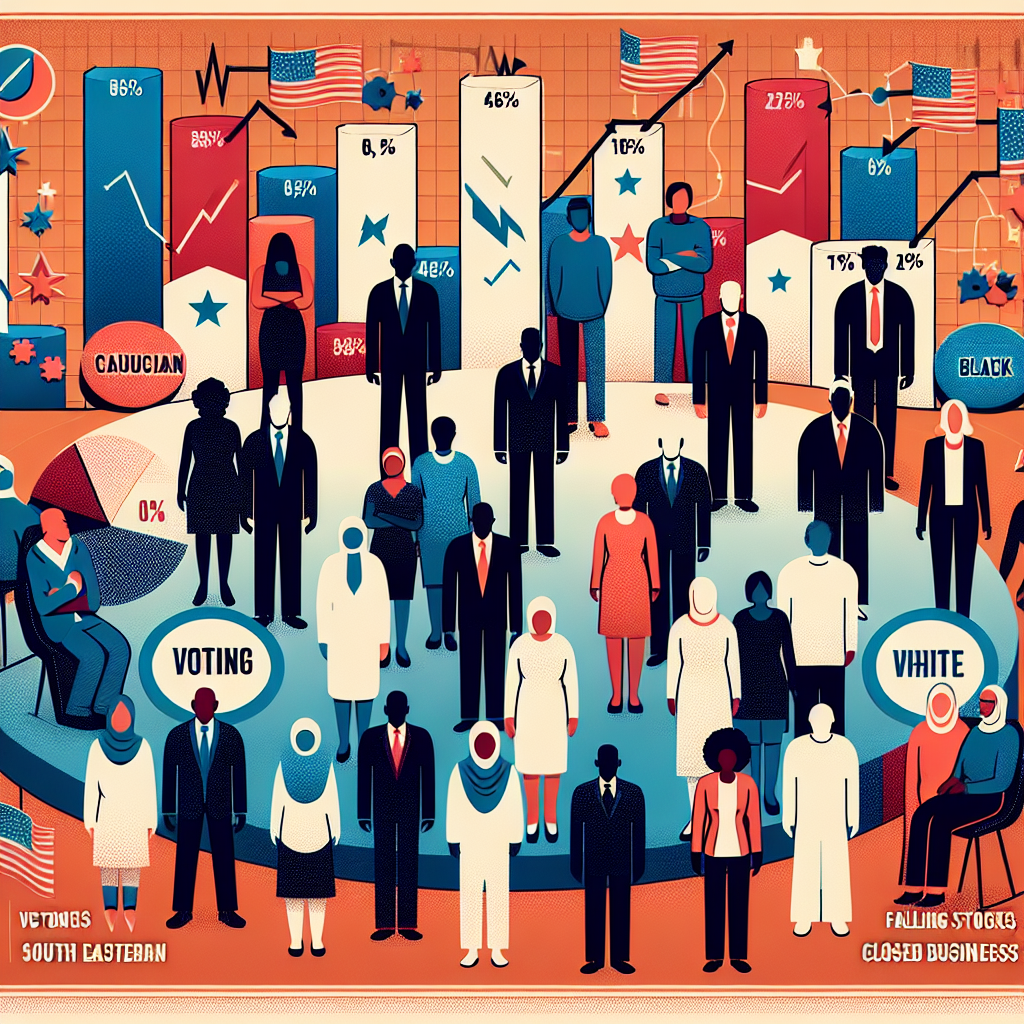
Voter turnout is a critical measure of civic engagement that reveals much about the political opinions and attitudes within a society. Understanding why people choose to vote or abstain can provide invaluable insights into the dynamics shaping democratic societies in 2025. With fluctuating voter participation rates across various demographics, analyzing voter turnout offers a window into the collective psyche of the electorate and highlights the underlying issues affecting political engagement. This article delves into the intricacies of voter turnout analysis and explores what it signifies about political opinions today.
Factors Influencing Voter Turnout in 2025
Voter turnout is influenced by a multitude of factors, ranging from socioeconomic conditions to the efficacy of political mobilization efforts. In 2025, we observe that economic stability plays a crucial role in motivating voter participation. Regions experiencing economic uncertainty often report lower turnout rates, as individuals become more focused on personal financial hardships rather than political engagement. For instance, during the economic downturn in the early 2020s, many potential voters expressed disenchantment with the political system, questioning the capacity of elected officials to address their economic woes. Hence, understanding the economic landscape is essential for analyzing voter turnout.
Another significant factor is the accessibility of the voting process itself. In 2025, ongoing technology enhancements and the adoption of mail-in voting systems have made it easier for constituencies to participate in elections. However, disparities remain, particularly among marginalized communities. Voter ID laws and registration requirements can disproportionately affect low-income individuals and people of color, leading to lower turnout rates in these demographics. Analyzing how these barriers influence voter participation provides critical insights into the political opinions of groups that feel disenfranchised or ignored by the system.
The Role of Political Polarization
Political polarization has intensified in 2025, affecting voter turnout in complex ways. While some studies suggest that heightened polarization motivates voters to engage more actively in the electoral process—fearing the implications of opposing ideologies—this same polarization can lead to apathy among undecided voters or those disillusioned with both parties. In particular, the rise of extremist views has contributed to a scenario where many feel their political beliefs are underrepresented, discouraging them from voting. The lack of trust in candidates and political institutions consequently reflects broader sentiments of disenchantment, which can be observed in declining turnout rates, particularly among younger voters.
Moreover, political polarization often leads to echo chambers, where individuals only consume information that reinforces their existing beliefs. This phenomenon skews perspectives and can result in lower turnout rates for those outside the dominant political narrative within their networks. Voter turnout analysis in 2025 must therefore take into account how social media and news consumption habits shape public opinion and influence the motivation to cast a ballot. As political rhetoric becomes more extreme, it is crucial to unpack how it pushes certain demographics away from or towards participation in the electoral process.
Impact of Education and Awareness on Voter Turnout
Education plays a pivotal role in shaping political opinions and influencing voter turnout. In 2025, increasing access to information through digital platforms has heightened awareness about political issues and voting rights. Educational initiatives focused on civics, critical thinking, and media literacy are essential in fostering an environment where individuals feel empowered to participate in elections. Communities that prioritize educational outreach often see higher turnout rates, as informed voters are more likely to understand the direct implications of their electoral choices. This trend emphasizes the importance of ongoing efforts to educate both young voters and those who have historically been disenfranchised.
Conversely, a lack of education can impede voter turnout, as individuals may feel overwhelmed by the complexities of the political system. In 2025, research indicates that first-time voters and those from low-income backgrounds often struggle to navigate voting procedures and feel disconnected from the issues at hand. Engaging educational programs that demystify the voting process can significantly impact turnout rates among these populations. By analyzing how education correlates with political engagement, we can better understand the underlying political opinions that guide individual decision-making during elections.
Societal Issues and Their Influence on Voter Sentiment
In 2025, societal issues such as climate change, healthcare access, and social justice continue to dominate political discourse and influence voter turnout. As these issues become central to campaign platforms, they resonate deeply with specific voter segments. For instance, younger generations, deeply concerned about climate change, exhibit higher participation rates when candidates address environmental policies effectively. This trend reflects a shifting political opinion landscape, where voters prioritize candidates who align with their values on pressing societal concerns.
Moreover, the rising awareness of issues like racial inequality and women’s rights has galvanized various demographics to mobilize politically. Grassroots movements advocating for social change have led to increased turnout among marginalized communities, providing a counter-narrative to traditional voting patterns. Engaging with these societal issues highlights the profound connection between political opinions and turnout rates, revealing how passionate advocacy can drive electoral participation. By examining how various societal issues affect voter sentiment, we can gain a more comprehensive understanding of the motivations behind voting behavior.
Long-term Trends in Voter Turnout and Political Engagement
Understanding long-term trends in voter turnout is vital for a complete analysis of political opinions. In 2025, data showcases that elections have seen fluctuating rates of participation over decades, often influenced by significant historical events, legislation changes, and shifting cultural norms. The lasting impact of the COVID-19 pandemic on voting behavior is particularly noteworthy; it has led to enduring changes in how individuals perceive the act of voting, prompting discussions about safety, accessibility, and civic responsibility that transcend the immediate crisis.
Furthermore, trends in generational voting behavior showcase pivotal shifts in political opinions. Younger voters are increasingly engaged, driven by issues such as climate change, economic equity, and social justice, whereas older generations may prioritize different aspects of governance. This generational divide reflects the diverse political landscape and poses challenges for political parties yearning to appeal to an increasingly heterogeneous electorate. Analyzing these long-term trends in voter turnout sheds light on how political opinions evolve and adapt to the changing societal context.
The implications of these trends are profound. As political engagement patterns fluctuate, they compel politicians and parties to rethink their strategies in reaching out to various segments of the population. Studying long-term voter trends can offer essential knowledge for future political campaigns, informing strategies about how best to engage voters in meaningful ways. From adapting messaging to addressing key issues, understanding these fluctuations is crucial in fostering a politically engaged populace.
Conclusion
Analyzing voter turnout offers a comprehensive view of the political landscape in 2025, revealing a complex interplay of socioeconomic factors, political polarization, education, societal issues, and long-term trends. A deeper understanding of these components provides insights into how political opinions shape electoral participation and influence democratic processes. By addressing the barriers to participation and engaging underserved communities, stakeholders can work toward fostering a more inclusive electoral environment. As we move forward, the challenge remains to create a political system that reflects the diverse voices and opinions of all citizens.
FAQs
What is voter turnout?
Voter turnout refers to the percentage of eligible voters who cast a ballot in an election. It serves as an indicator of civic engagement and political participation within a society.
How does voter turnout affect political opinions?
Voter turnout can reveal underlying political opinions by showcasing which demographics are engaged in the electoral process. Low turnout rates in specific communities may indicate disenfranchisement or lack of trust in the political system.
What factors influence voter turnout in 2025?
In 2025, major factors influencing voter turnout include socioeconomic conditions, accessibility of the voting process, political polarization, and societal issues such as climate change and healthcare.
Why is education important for voter turnout?
Education plays a critical role in empowering individuals to understand the voting process and the implications of their choices. Higher levels of education correlate with increased political engagement and turnout.
How do societal issues impact voter participation?
Societal issues significantly influence voter participation by motivating individuals who are passionate about specific causes. Campaigns addressing these issues can galvanize various demographics to mobilize and vote.