Breaking Barriers: Female Athletes Share Their Stories

Introduction
In recent years, the landscape of sports has undergone significant transformation, with female athletes breaking barriers and reshaping perceptions within their respective fields. As of 2025, the stories of these remarkable women reflect not just their personal triumphs but also the ongoing struggle for equality in sports. This article explores the powerful narratives shared by female athletes who defy traditional norms and inspire future generations, emphasizing the challenges they faced and the victories they achieved. Join us as we celebrate these trailblazers in “Breaking Barriers: Female Athletes Share Their Stories.”
The Rise of Female Athletes in Competitive Sports
The emergence of women in competitive sports has been a gradual but powerful shift. In 2025, while we see women’s participation at an all-time high, it wasn’t easy getting here. Historically, female athletes battled not just the physical demands of their sports but also pervasive stereotypes and societal expectations that deemed them unfit for competition. Athletes like Serena Williams and Megan Rapinoe have not only dominated their sports but have also become voices for equity, using their platforms to advocate for fairness, pay equity, and recognition in an industry traditionally dominated by males.
In recent years, initiatives promoting women’s sports have gained momentum. From grassroots programs to large-scale media campaigns, there’s an increased visibility of female athletes. Such endorsements lead to more sponsorships and higher media coverage, creating a snowball effect that encourages young girls to pursue sports. The representation of female athletes in major sports leagues, sponsorship deals for women’s teams, and coverage of women’s events during prominent sports broadcasts exemplify this progress.
Trailblazers of Diversity and Inclusion
Female athletes are not just breaking records; they’re also shattering glass ceilings in terms of diversity and inclusion. Athletes like Simone Biles and Ibtihaj Muhammad exemplify how sports can serve as a platform for broader societal change. Biles, an African American gymnast, has raised awareness about mental health and the pressures faced by elite athletes, particularly women of color. Her candidness about mental health challenges sparked conversations across multiple platforms about the importance of mental well-being in sports.
Ibtihaj Muhammad, an American fencer who made history as the first Muslim woman to compete in the Olympics while wearing a hijab, has also used her platform to advocate for representation and acceptance of diverse backgrounds within sports. Their stories emphasize that breaking barriers is not merely about athletic achievement; it also includes taking a stand against discrimination and advocating for causes that extend beyond the sports realm.
The Role of Technology in Empowering Female Athletes
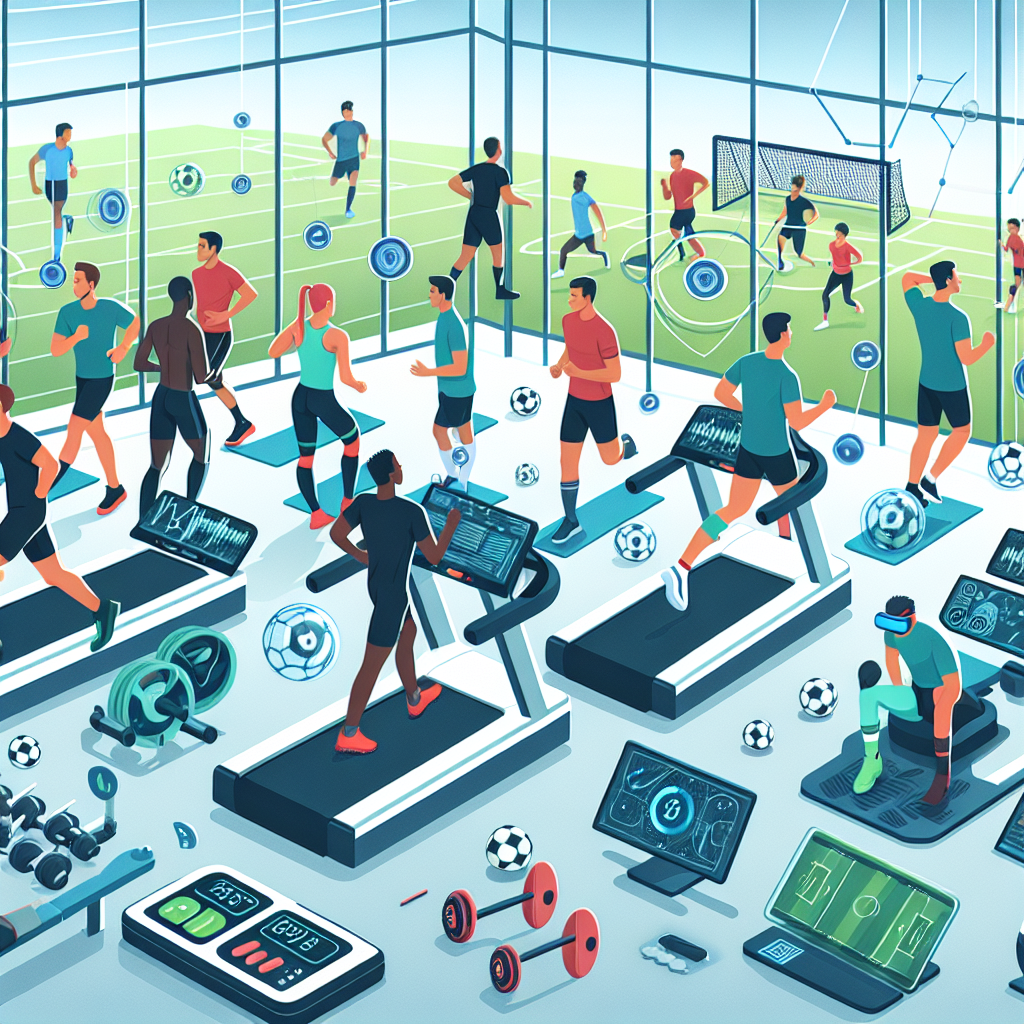
As we navigate through 2025, technology plays a crucial role in empowering female athletes. Innovations in wearable fitness technology, performance analytics, and training programs have leveled the playing field, enabling female athletes to train smarter and more effectively. These advancements allow for real-time performance feedback, enhanced training regimens tailored specifically for female athletes, and injury prevention strategies that are crucial for maintaining longevity in sports.
Additionally, social media platforms have provided female athletes with unprecedented opportunities to showcase their talent, share their journeys, and connect with fans directly. By amplifying their voices, these platforms enable athletes to tell their stories authentically, advocate for equality, and inspire younger generations. The visibility gained through social media has led to a broader cultural acceptance of women in sports, encouraging brands and sponsors to align with female athletes and empowering them to negotiate better contracts and sponsorship deals.
Unearthing Challenges: Struggles on and off the Field
Despite the significant progress made, female athletes still confront numerous challenges both on and off the field in 2025. Gender disparity in pay remains a hot-button issue; even in high-profile sports, female athletes often earn significantly less than their male counterparts. This discrepancy can discourage young women from pursuing sports at a professional level, fearing that their hard work may not lead to adequate financial compensation or opportunities for advancement.
Furthermore, issues related to sexual harassment and inequality in access to facilities and training opportunities continue to persist. Numerous female athletes have bravely shared their experiences of harassment, demonstrating the pervasive issues that still need to be tackled. Organizations and governing bodies are gradually responding, implementing policies aimed at creating safer environments for female competitors. Nevertheless, there is still much work to be done to ensure that every athlete feels secure, respected, and valued in their chosen sport.
Inspiring Generations: Mentorship and Community Building
The importance of mentorship and community in supporting female athletes cannot be overstated. In 2025, many established athletes take pride in mentoring the next generation, offering guidance and sharing their experiences to empower young girls in sports. Programs that connect aspiring athletes with experienced competitors are becoming more prevalent, ensuring that knowledge, skills, and combatting systemic barriers are shared across generations.
Moreover, community-building initiatives that promote women in sports continue to flourish. Organizations aimed at encouraging girls to participate in athletics, such as Girls on the Run and the Women’s Sports Foundation, provide resources and support structures that nurture talent from a young age. As a result, the narrative around female athletes shifts from one of exclusion and struggle to one of strength and solidarity, showcasing the collective efforts of women supporting women in the sports arena.
Conclusion
The journey of female athletes breaking barriers is a powerful narrative that showcases resilience, bravery, and significant progress. As we’ve explored through inspiring stories, technological advancements, and the ongoing challenges they face, it’s clear that female athletes in 2025 are not merely participating in sports; they are actively transforming the world around them. By continuing to advocate for equality, supporting younger generations, and sharing their journeys, these athletes pave the way for a more inclusive future in sports and beyond.
FAQs Section
What are some notable achievements of female athletes in 2025?
In 2025, female athletes continue to break records and achieve remarkable feats, including winning gold medals at the Olympics, setting new world records in various sports, and gaining prominence in male-dominated sports. Their accomplishments are celebrated widely, inspiring future generations.
How are female athletes advocating for pay equality?
Female athletes are advocating for pay equality through social media campaigns, public appearances, and partnerships with organizations promoting gender equity in sports. They are leveraging their visibility to spark discussions and push for legislative changes that ensure equal pay for equal work.
What impact has technology had on female athletes’ performance?
Technology has transformed sports training for female athletes by providing tailored performance analysis, injury prevention tools, and access to training resources. This allows them to optimize their training, improve their performance, and extend their athletic careers.
Who are some of the most influential female athletes today?
Influential female athletes in 2025 include Serena Williams, Simone Biles, Megan Rapinoe, and Ibtihaj Muhammad, each known for their groundbreaking achievements and advocacy in sports and for social justice causes. Their contributions extend beyond athletics, inspiring millions worldwide.
How can young girls get involved in sports?
Young girls can get involved in sports by seeking local programs, schools, and community organizations that offer sports activities. Encouraging participation from family, attending local games, and finding mentorship opportunities can lead to a lifelong love for sports.