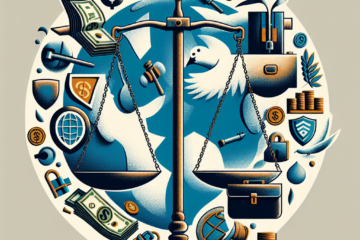
Ethical Dilemmas in Political Activism: Finding the Balance

Introduction
In 2025, political activism has taken on a new dimension, with grassroots movements gaining unprecedented momentum and influence. As activists advocate for social and political change, they encounter a myriad of ethical dilemmas. Finding the balance between moral integrity and effective activism can be a delicate task that often challenges deeply held beliefs and practices. This article explores the ethical dilemmas in political activism, delving into the complexities faced by activists today and offering insights into navigating these challenges.
The Nature of Ethical Dilemmas in Political Activism
At the heart of political activism lies the pursuit of justice and social change. However, the path to progress is fraught with ethical dilemmas that can compromise the very principles activists strive to uphold. Activists often grapple with the tension between means and ends; that is, whether the strategies they employ to achieve their goals justify the potential harm these might cause. For example, some may argue that civil disobedience, even when it results in legal consequences, can be a moral obligation when confronting unjust laws. This dilemma raises profound questions about legality versus morality and whether the ends can ever truly justify the means.
Additionally, the digital age has transformed the landscape of activism, particularly in how information is disseminated and manipulated. Social media platforms have the power to mobilize masses in moments but also present ethical challenges such as misinformation, privacy breaches, and cancel culture. Activists must navigate these waters carefully—balancing the urgency of their messages with the potential repercussions of their strategies on individuals and communities. As activists face these dilemmas, the pressing question remains: How can they remain true to their cause while fostering a positive impact on society?
Finding Balance in Activist Strategies
An effective approach to navigating the ethical dilemmas in political activism involves an introspective examination of strategies and tactics employed. Activists must critically assess the implications of their actions on various stakeholders, including marginalized communities they aim to uplift. The choice of tactics, whether peaceful protests, social media campaigns, or lobbying efforts, should reflect a commitment to inclusivity and compassion. In doing so, activists can avoid inadvertently perpetuating systemic injustices while still striving for meaningful change.
Moreover, collaboration plays a vital role in maintaining ethical integrity within activism. Forming alliances with other organizations and stakeholders can amplify voices and unite diverse perspectives, making movements more robust and considerate. By fostering open dialogue and creating coalitions grounded in mutual respect, activists can design approaches that reflect a holistic understanding of the issues at hand. Thus, finding balance requires not only strategic thinking but a commitment to ethical engagement with all involved parties.
The Role of Transparency and Accountability
Transparency and accountability are paramount in addressing ethical dilemmas in political activism. Activists are increasingly called upon to provide clarity about their decision-making processes and the sources of their funding. This scrutiny can foster trust within communities and ensure that the movement remains grounded in its core principles. When activists share information about their strategies, goals, and partnerships, they create an environment where stakeholders can hold each other accountable, promoting ethical consistency.
However, the demand for transparency also presents challenges. In an age of information overload and rapid news cycles, activists may struggle to maintain clarity in their messaging. Misinterpretations and manipulations of information can lead to a crisis of credibility for movements. Therefore, it is essential for activists to establish clear communication strategies and educational initiatives that build public understanding and support for their cause. In turn, this fosters a culture of informed participation, where ethical dilemmas can be navigated more effectively.
Furthermore, accountability extends beyond transparency; it necessitates self-reflection within movements. Activists must be willing to critique their practices, admit mistakes, and adapt to changing circumstances. By implementing mechanisms for internal feedback and external evaluation, movements can evolve in ways that honor their principles while remaining responsive to the needs of the communities they aim to serve. This commitment to continuous improvement strengthens the ethical foundation of activism and enhances its overall effectiveness.
The Impact of Technology and Social Media
Technology and social media have revolutionized political activism, providing unparalleled opportunities for mobilization and outreach. However, they also introduce significant ethical dilemmas. The ease of sharing information can lead to the rapid spread of misinformation, undermining credibility and potentially causing harm to vulnerable groups. Activists must navigate this landscape carefully, ensuring that their messaging is accurate and responsible. This reality emphasizes the importance of media literacy and critical thinking in activism. By equipping their supporters with the skills needed to discern credible information, activists can cultivate a more informed and empowered base.
Moreover, issues surrounding surveillance and data privacy add another layer of complexity to ethical dilemmas in activism. As activists increasingly rely on digital platforms to organize and communicate, they become susceptible to government surveillance and information breaches. This raises pressing questions about the safety of activists and their communities, particularly those from marginalized backgrounds. Protecting data privacy and safeguarding personal information are not merely legal obligations; they are moral imperatives. Activists must prioritize the ethical use of technology, ensuring that their methods do not inadvertently expose their supporters to risk.
On a broader level, the digital divide remains a critical challenge in the moral landscape of political activism. While technology facilitates mobilization, not everyone has equal access to digital resources. This disparity can create an exclusionary environment where marginalized groups are left out of conversations or decision-making processes. To counteract this issue, activists must actively engage with underrepresented communities, empowering them to leverage technology for advocacy in a way that aligns with their unique needs and values. By fostering digital inclusion, activists can create a more equitable and effective movement that honors the principles of justice and representation.
The Ethical Dilemmas of Fundraising and Resource Allocation
Fundraising is an essential component of political activism, but it also comes with substantial ethical considerations. Activists must strategize how to obtain resources while ensuring that their funding sources align with their values. Accepting donations from corporations or individuals whose interests conflict with the movement’s goals can dilute a cause’s integrity. Therefore, activists need to cultivate transparency regarding their funding sources to maintain credibility and accountability. This necessitates an ongoing dialogue within movements about the ethical implications of financial partnerships and the values they want to uphold.
Furthermore, ethical dilemmas arise when allocating resources within activism. Should funds prioritize outreach and mobilization efforts, or is it more prudent to center the needs of marginalized people directly? Activists must continuously assess their priorities and evaluate whether resources are being allocated equitably. In doing so, they can navigate towards a more ethical approach to activism that respects diverse experiences and needs. Engaging stakeholders in discussions about resource allocation encourages a collaborative atmosphere that reflects varied perspectives.
Lastly, the impact of economic inequality cannot be overlooked in the ethical considerations surrounding fundraising and resource allocation in political activism. Economic disparities often influence who can participate in activism, potentially privileging those with financial means over grassroots voices. As movements seek to empower marginalized communities, they must remain aware of these dynamics and work to ensure that everyone has an equal opportunity to contribute. By fostering an inclusive and diverse environment, activists can build a more equitable framework for their movements, ultimately enhancing their work’s ethical foundation and impact.
Conclusion
Ethical dilemmas in political activism are a complex web of challenges that demand careful navigation. From balancing means and ends to ensuring transparency and accountability, activists today face pressing questions that require deep introspection and thoughtful engagement. The infusion of technology and social media into activism amplifies both opportunities and ethical responsibilities. Ultimately, by prioritizing inclusivity, clarity, and ethical fund allocation, activists can find the necessary equilibrium to drive meaningful change while maintaining the integrity of their movements.
FAQs
What are some common ethical dilemmas faced by political activists?
Some common ethical dilemmas include the conflict between legality and morality, the spread of misinformation, the implications of fundraising practices, and the risks associated with community safety in activism.
How can activists maintain credibility while navigating ethical challenges?
Activists can maintain their credibility by promoting transparency in their actions, ensuring their messaging is fact-checked, prioritizing ethical fundraising sources, and engaging in self-reflection about their strategies.
What role does technology play in ethical dilemmas in activism?
Technology plays a dual role; it democratizes access to information and enables mobilization, but it also introduces risks related to misinformation, data privacy, and inequity in digital access. Activists must strategically navigate these complexities to uphold ethical standards.