Examining the Impact of Social Media on Political Discourse
Introduction
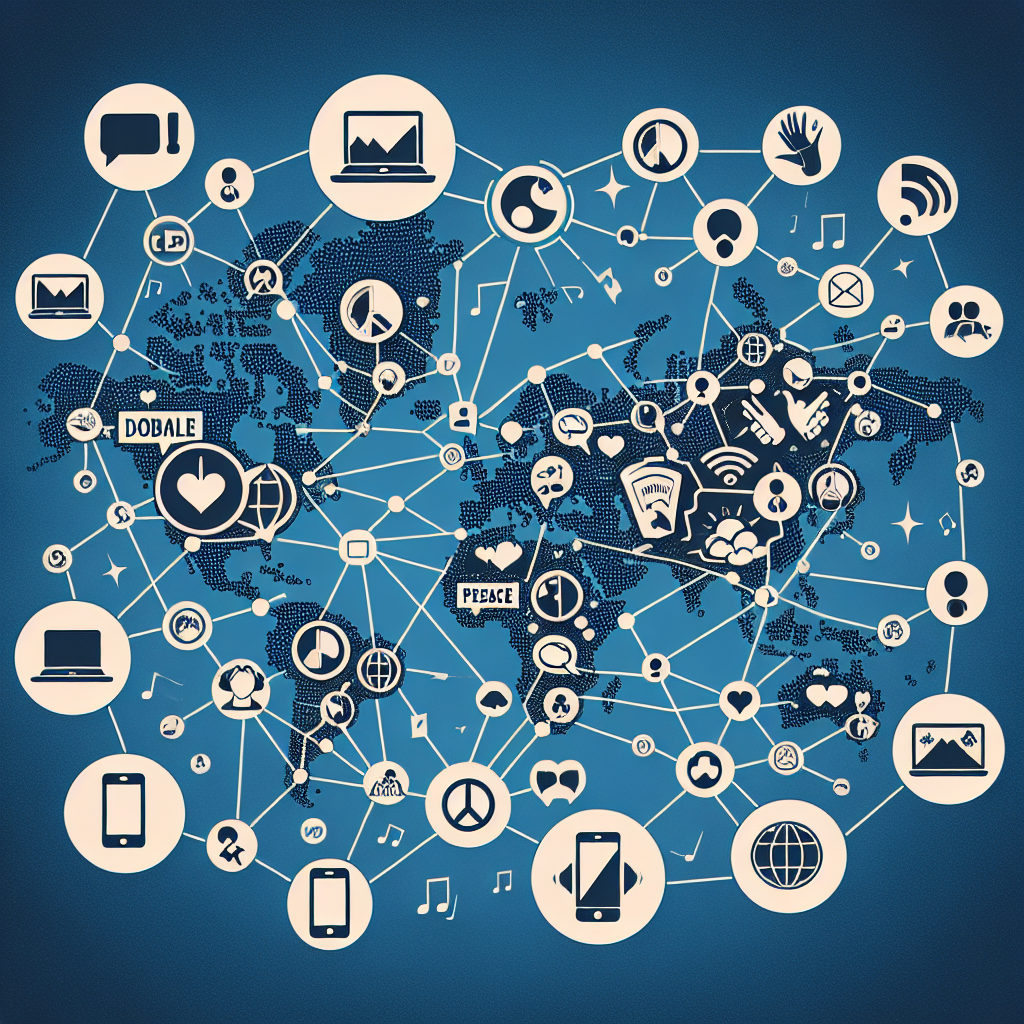
In 2025, the landscape of political discourse has been irrevocably transformed by the advent of social media. Platforms such as Twitter, Facebook, Instagram, and TikTok play crucial roles in shaping public opinion and political engagement. This shift has enabled individuals to voice their thoughts and engage in discussions around political issues instantaneously but has also raised considerable concerns about misinformation, echo chambers, and polarization. Examining the impact of social media on political discourse is, therefore, essential to understanding contemporary politics and fostering a healthier democratic process.
Social Media: A Double-Edged Sword in Political Communication
The rise of social media has revolutionized how political communication occurs, making it more accessible yet complex. Politicians and political campaigns now utilize platforms to disseminate messages directly to the electorate, bypassing traditional media gatekeepers. This immediacy allows for rapid response to current events, enabling politicians to address issues in real-time and engage directly with constituents. The ability to interact with politicians and participate in conversations about policies has democratized political communication, fostering a more engaged electorate.
However, this newfound accessibility comes with significant drawbacks. Social media platforms often exacerbate divisions within society by creating echo chambers where users are exposed primarily to viewpoints that align with their own. This phenomenon can lead to extreme polarization and a breakdown of constructive political dialogue. As users become more entrenched in their beliefs, the willingness to entertain opposing viewpoints diminishes, resulting in a more fragmented political landscape. Understanding this duality is crucial for grasping the full impact of social media on political discourse.
The Role of Misinformation in Shaping Political Opinions
One of the most concerning aspects of social media’s influence on political discourse is the proliferation of misinformation. In the age of the internet, false information spreads at an unprecedented rate, often outpacing factual reporting. During crucial political events, such as elections or referendums, misinformation can significantly sway public opinion and impact voter behavior. Social media platforms, while attempting to combat false narratives, often struggle to control the volume of misleading information circulating on their sites.
The consequences of misinformation extend far beyond individual electoral outcomes. When voters are misinformed, democratic processes suffer, leading to public policies that do not reflect the informed will of the people. In 2025, many governments and organizations are grappling with strategies to combat misinformation online, from fact-checking initiatives to algorithm adjustments. Yet, the challenge remains daunting. Misinformation’s fluidity and adaptability mean that the tools of accountability and transparency must constantly evolve, raising critical questions about the ethical responsibilities of social media platforms.
The Emergence of Influencer Politics and Its Effects
As social media evolves, a new phenomenon known as influencer politics has emerged, further complicating the political discourse. Influencers on platforms like Instagram and TikTok leverage their substantial followings to promote political ideas, engage in activism, or endorse candidates. This trend reflects a significant shift in how information is disseminated and consumed, as many users now rely more on influencers than traditional political figures or media outlets. This development has made political engagement more relatable and accessible, especially among younger audiences who are typically disenchanted with traditional political structures.
Nonetheless, the rise of influencer politics poses its own set of challenges. Influencers often lack the expertise and understanding of intricate political issues, leading to oversimplified or misleading messages. Additionally, the motivations behind endorsements can be questionable, ranging from financial gain to personal alignment with a particular ideology. As a result, the authenticity of the political discourse that emerges from this influence can be compromised, creating a complicated environment for voters seeking reliable information. Thus, the emergence of influencer politics necessitates careful scrutiny and critical media literacy skills among audiences.
Social Media Activism: Mobilization vs. Slacktivism
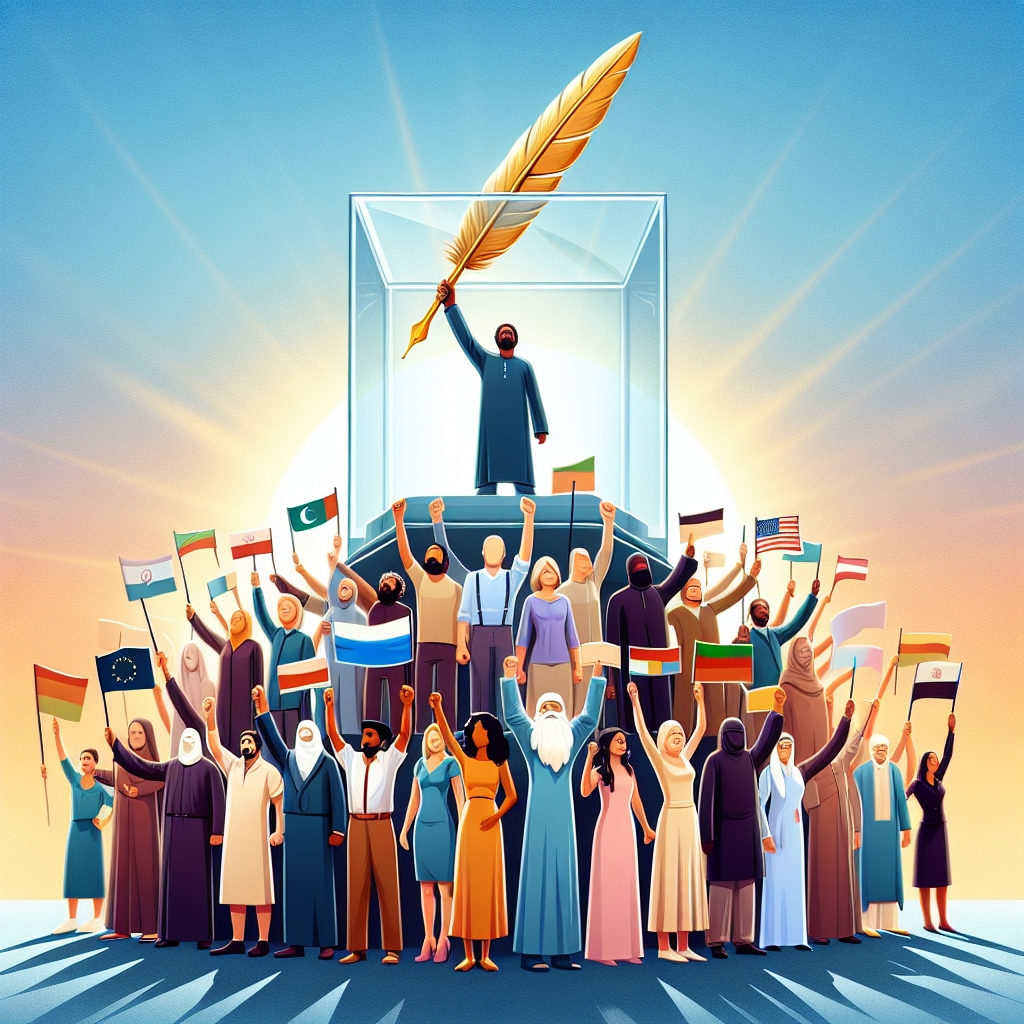
Social media has become a powerful platform for activism, allowing grassroots movements to gain visibility and support that may not have been possible otherwise. Movements such as Black Lives Matter and climate change awareness campaigns have successfully mobilized millions, creating a sense of urgency and collective action across various demographics. By harnessing the reach of social media, activists can share their messages broadly, organize events, and even influence policy discussions at higher levels. In essence, social media has the potential to amplify marginalized voices and bring critical issues to the forefront of political discourse.
However, the effectiveness of social media activism is often debated, primarily due to the phenomenon known as “slacktivism.” This term refers to the superficial engagement of individuals who show support for a cause online without taking substantial action in the offline world. While social media can raise awareness and foster engagement, it can also create a false sense of accomplishment, where individuals feel they have contributed merely by sharing a post or liking a page. This disconnect can lead to apathy about real-world change, challenging the idea that social media activism alone can drive meaningful political progress. As activists navigate these complexities in 2025, they must strive to convert online engagement into tangible action, ensuring that social media serves as a tool for genuine political transformation.
The Future of Political Discourse in the Age of Social Media
Looking ahead, the impact of social media on political discourse will continue to evolve. The increasing integration of artificial intelligence (AI) and machine learning may shape how social media platforms moderate content and address issues like misinformation. By analyzing user behavior and engagement patterns, these technologies could potentially create more personalized and responsible information environments. However, this development also raises concerns about privacy and the manipulation of information tailored to users’ biases, risking the development of a more insular political dialogue.
Additionally, as social media becomes further entrenched in the political fabric, questions about regulation and accountability will become paramount. Governments and regulatory bodies face the challenge of balancing free expression with the need to mitigate harmful misinformation and divisive content. Citizens, too, must take on the responsibility of discerning credible sources and fostering constructive dialogue within their online communities. With these considerations in mind, the future of political discourse will hinge on the collective efforts of individuals, institutions, and technology in fostering a more informed and engaged society.
Conclusion
Examining the impact of social media on political discourse reveals a complex landscape characterized by the democratization of communication, the challenge of misinformation, and the rise of influencer politics. While these platforms can foster engagement and activism, they also present challenges that can lead to polarization and slacktivism. As we move deeper into 2025, the future of political discourse will require innovative approaches to promote healthy dialogue, combat misinformation, and create informed citizens. A balanced understanding of these dynamics will be essential for fostering a vibrant democracy and ensuring that political discourse thrives in an increasingly digital age.
FAQs
What are the main ways social media influences political discourse?
Social media impacts political discourse by democratizing communication, facilitating rapid information dissemination, and providing platforms for grassroots activism, yet it also fosters misinformation and polarization.
How does misinformation spread on social media and what can be done to combat it?
Misinformation spreads rapidly due to algorithm-driven engagement and user behavior. Combating it requires fact-checking initiatives, public awareness campaigns, and improved digital literacy among users.
What is the future of political engagement on social media?
The future of political engagement on social media will likely involve advanced technologies like AI for content moderation, increased scrutiny from regulatory bodies, and an emphasis on user responsibility to promote informed discussions.