Exploring Corruption and Accountability in Government.

Exploring Corruption and Accountability in Government
Introduction
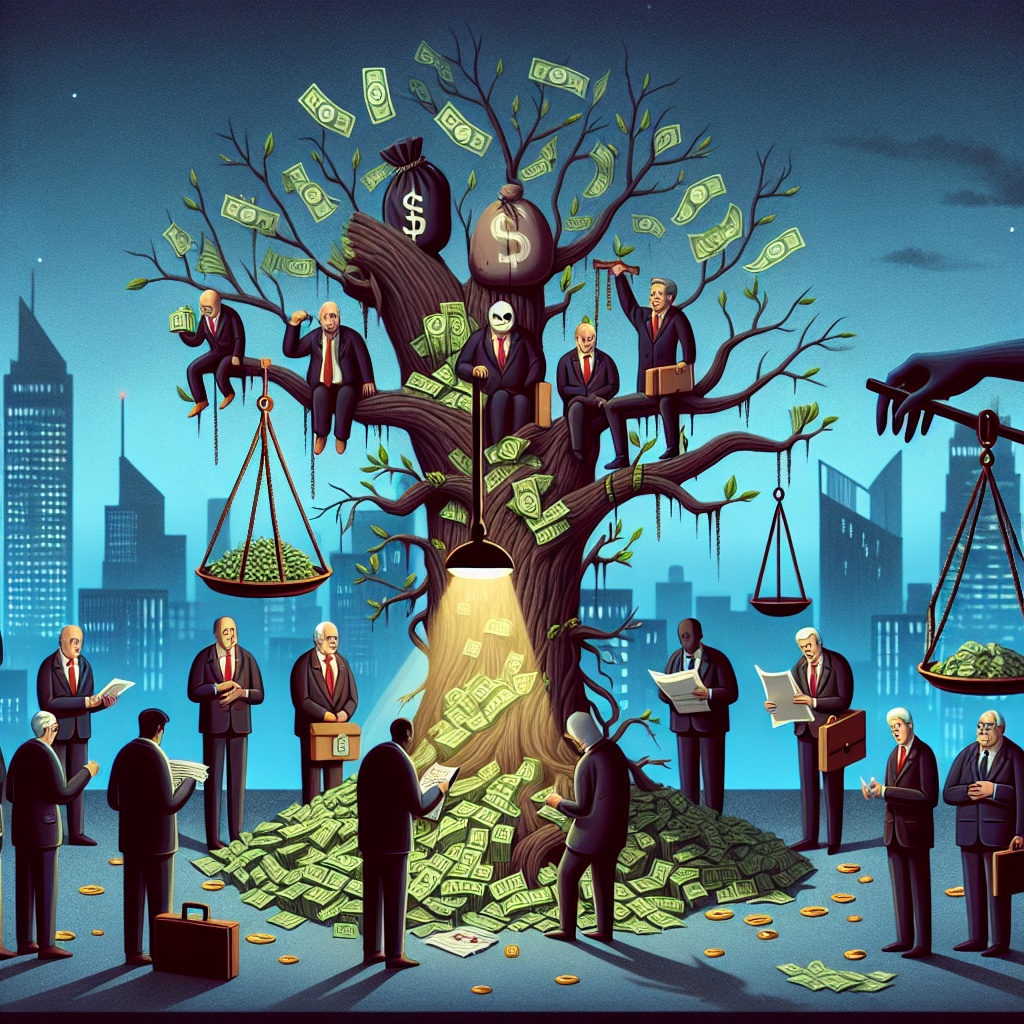
Corruption and accountability in government have emerged as pressing issues in contemporary society, especially as we move further into 2025. This complex dilemma not only undermines public trust but also severely hampers economic development and social justice. With the rapid evolution of technology and globalization, corrupt practices have taken on new forms, becoming even more sophisticated. This article delves deep into the essential aspects of exploring corruption and accountability in government, examining its various dimensions, causes, implications, and potential solutions for fostering transparency and integrity.
Understanding the Multifaceted Nature of Corruption
Corruption manifests itself in numerous ways, ranging from bribery and embezzlement to nepotism and influence peddling. In 2025, high-profile scandals have shed light on the pervasive nature of corruption within government institutions worldwide. The rapid rise of digital transactions has not only increased efficiency but also provided new opportunities for graft and misconduct. For instance, the utilization of blockchain technology has emerged as a double-edged sword; while it offers transparency, unscrupulous entities have found ways to exploit this technology to launder money and evade scrutiny.
Moreover, the impact of corruption is not limited to financial losses alone. It deeply affects the quality of governance, policy-making, and public service delivery. A corrupt government often prioritizes the interests of a few over the collective good, leading to unequal access to resources and opportunities. As society grapples with issues such as climate change and public health, the stakes are higher than ever, making the exploration of corruption and accountability more vital.
The Consequences of Corruption
The ramifications of government corruption are profound and far-reaching, influencing various sectors and the very fabric of society. In 2025, many countries are witnessing a decline in public trust in institutions, as scandals reveal the intertwining of power and corruption. This erosion of trust leads to civic apathy, reduced civic participation, and a general disillusionment with democratic processes. Citizens become disengaged, believing that their votes hold no power against entrenched corruption.
Furthermore, corruption acts as a significant hindrance to economic development. The misappropriation of funds results in substandard public services, deteriorating infrastructure, and weakened institutions. When resources are siphoned away from public interest, it stifles growth, particularly in developing nations. In the context of climate change, for instance, corruption in government can prevent the implementation of essential environmental policies and initiatives, exacerbating global challenges and leaving communities vulnerable.
Accountability Mechanisms in Government
Establishing effective accountability mechanisms is crucial for combating corruption and restoring public trust in government. By 2025, various global initiatives and frameworks have been designed to promote transparency, such as the Open Government Partnership and initiatives spearheaded by organizations like Transparency International. These platforms encourage governments to adopt policies that enhance transparency, involve civil society in governance, and ensure that public officials are held accountable for their actions.
Effective accountability is not merely about putting systems in place; it requires a change in the culture of governance. This means fostering an environment where whistleblowers are protected, and civic engagement is encouraged. In many countries, the push for accountability has led to reform efforts that aim to create independent anti-corruption bodies. Such entities can investigate allegations of corruption free from political interference, ensuring that justice is not only done but seen to be done.
However, implementing these accountability measures is no easy task. Political will is often lacking, as leaders may fear repercussions from exposing corrupt practices within their ranks. This necessitates a bottom-up approach where citizens hold their officials accountable, demanding transparency and integrity in governance. The role of media outlets cannot be understated, as investigative journalism has the power to reveal corruption and spur public discourse.
The Role of Technology in Fighting Corruption
As we navigate 2025, technology plays a pivotal role in addressing corruption and promoting accountability in government. Digital tools like e-governance initiatives, blockchain technology, and data analytics have emerged as powerful allies in this fight. E-governance, for instance, allows citizens to access public services online, reducing the chances for corrupt interactions that might occur in person. This streamlining of services not only enhances efficiency but also provides transparency in how government operates.
Blockchain technology has gained traction for its ability to provide immutable records, thus reducing opportunities for manipulation. Governments are beginning to use blockchain applications to monitor public spending and ensure funds are directed towards their intended purposes. Case studies from various countries have shown how blockchain has facilitated transparent procurement processes, reduced fraud, and enabled more effective audit trails.
However, with advancements in technology also come new challenges. Cyber corruption and ransomware attacks are on the rise, forcing governments to reassess their cybersecurity measures. As tools become more sophisticated, so do methods of corruption, highlighting the need for constant vigilance and adaptation in accountability frameworks. The intersection of technology and governance thus presents a dual challenge and opportunity for creating a more accountable government.
International Perspective on Corruption and Accountability
Corruption is a global issue, and as such, the efforts to combat it require international cooperation and commitment. In 2025, numerous countries have signed various accords and treaties aimed at combating corruption, such as the United Nations Convention against Corruption (UNCAC). These agreements emphasize the necessity for nations to work collaboratively to track illicit financial flows and return stolen assets. By sharing best practices and fostering a culture of accountability, countries can learn from each other’s experiences and enhance their anti-corruption strategies.
Moreover, the role of non-governmental organizations (NGOs) and international watchdogs has become increasingly vital in holding governments accountable. These organizations conduct thorough investigations, produce detailed reports, and offer policy recommendations. They often act as a bridge between citizens and their governments, amplifying the voices of those affected by corruption and advocating for necessary reforms.
However, international cooperation is often hampered by geopolitical tensions and competing national interests. The challenge lies in creating a cohesive approach that not only addresses corruption but also respects the sovereignty of individual nations. To foster a genuine commitment to accountability, a balance must be struck between national interests and global responsibilities.
Conclusion
In conclusion, exploring corruption and accountability in government is a multifaceted endeavor that requires understanding the complexities of corruption, the dire consequences it entails, the implementation of robust accountability mechanisms, the utilization of technology, and the necessity for international collaboration. As we progress through 2025, it is crucial that governments, civil society, and citizens work together to foster a culture of transparency and trust. By prioritizing accountability, we can build more resilient institutions, promote economic growth, and ensure that governments serve the interests of the people rather than the corrupt few.
FAQs
What are some common forms of corruption in government?
Common forms of corruption include bribery, embezzlement, nepotism, and influence peddling. Each of these behaviors undermines public trust and can negatively impact governance and public service delivery.
How do accountability mechanisms help in reducing corruption?
Accountability mechanisms, such as independent anti-corruption agencies, whistleblower protections, and public audits, help ensure that government officials are held accountable for their actions. This can deter corrupt practices and promote transparency.
What role does technology play in combating government corruption?
Technology enhances transparency and accountability through e-governance, blockchain, and data analytics, enabling efficient public service delivery and reducing opportunities for corrupt interactions. However, it also presents new challenges, such as cybersecurity threats.