Exploring the Challenges of Democratic Representation
Exploring the Challenges of Democratic Representation
Democratic representation is a cornerstone of modern governance, enabling citizens to voice their opinions and influence policy decisions. However, as we move through 2025, exploring the challenges of democratic representation reveals significant obstacles that can dilute the effectiveness and fairness of this system. Amidst globalization, technological advancements, and shifting political landscapes, ensuring that democracy genuinely reflects the will of the people has become increasingly complex. This article delves into the myriad challenges faced by democratic systems worldwide and offers a nuanced understanding of their implications for governance and citizen engagement.
The Erosion of Public Trust in Democratic Institutions
In recent years, the erosion of public trust in democratic institutions has become a pressing challenge. According to the latest reports, only about 50% of citizens in developed democracies express confidence in their government, a decline attributed to perceived corruption, inefficiency, and lack of accountability. The growing disillusionment among voters often leads to disengagement from the electoral process, spurring apathy and reducing voter turnout. This disconnection not only threatens the legitimacy of elected officials but also undermines the foundations of democracy itself.
Additionally, the rise of populism and extreme partisanship has highlighted the challenges of democratic representation. By appealing to the emotions of the electorate rather than addressing complex policy issues, populist leaders can gain influence, sometimes at the expense of the democratic process. This phenomenon raises crucial questions: Are these leaders reflecting the genuine interests of their constituents, or are they manipulating public sentiment for political gain? The answer to this conundrum is vital, as it impacts policy decisions and the capacity of governments to enact meaningful reforms.
The Impact of Technology on Political Engagement
The digital revolution has transformed political engagement, creating new avenues for participation while also posing significant challenges. Social media platforms have become critical tools for political discourse; they enable activists to mobilize support and share information rapidly. However, these platforms can also contribute to the spread of misinformation and the polarization of public opinion. In the latest findings, studies have shown that misinformation campaigns can significantly impact election outcomes, misguiding voters and distorting public perception of critical issues.
Moreover, the digital divide continues to pose an obstacle to equal representation in democratic processes. While technology can increase engagement among certain demographics, marginalized populations, particularly those in low-income and rural areas, often lack access to reliable internet and digital literacy resources. This disparity creates a situation where the voices of the underprivileged remain unheard in the political arena, resulting in policy decisions that do not fully address the needs of the entire population. For democracy to thrive in a technology-driven world, efforts must focus on bridging these divides and ensuring equitable access to information and platforms for political participation.
Gerrymandering and Electoral Manipulation
Gerrymandering remains a significant challenge for democratic representation. This practice involves manipulating electoral district boundaries to favor one political party over another, undermining the principle of fair representation. In the 2024 elections, numerous instances of gerrymandering were reported, prompting numerous legal challenges and public outcry. Such manipulation creates an environment where voters have little real choice, as incumbents are effectively guaranteed victory in safely drawn districts.
The consequences of gerrymandering extend beyond individual elections; they can entrench ideological extremes within political parties, leading to gridlock and ineffective governance. When representatives are chosen from uncompetitive districts, they may cater more to party elites than to their constituents’ needs. Furthermore, the lack of true competition can diminish the incentive for innovation and responsiveness in policy-making, as elected officials become increasingly insulated from the demands of the electorate.
In 2025, several countries are actively pursuing reforms to combat gerrymandering through independent redistricting commissions and transparent mapping processes. These efforts aim to create fairer electoral systems that enhance accountability and representation. However, the effectiveness of these reforms remains to be seen, underscoring the ongoing quest for equitable representation in democratic societies.
The Role of Interest Groups and Lobbying
Interest groups and lobbying play a critical role in shaping policy and representing various societal interests. However, the influence of money in politics raises fundamental questions about the integrity of democratic representation. In 2025, lobbying expenditures have reached unprecedented levels, with corporations and wealthy individuals often able to significantly sway legislative agendas, leaving smaller advocacy groups and ordinary citizens struggling to have their voices heard.
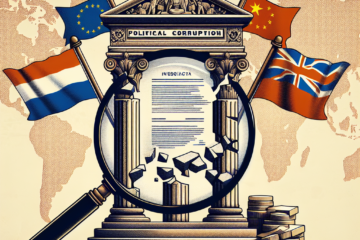
This disproportionate influence can lead to an imbalance in policy-making, where legislation mirrors the interests of those with the deepest pockets rather than the broader public interest. Furthermore, the relationship between elected officials and lobbyists can create a perception of corruption, further eroding public trust in democratic institutions. As voters increasingly perceive their representatives as beholden to special interests, the critical link between politics and the electorate is weakened.
Efforts to regulate lobbying practices and increase transparency may help mitigate these issues, but the challenge remains significant. Striking the right balance between allowing organized interests to advocate for their constituents while preventing undue influence is crucial for ensuring that democracy is truly representative of all citizens, not just the privileged few.
Globalization and the Challenge of National Sovereignty
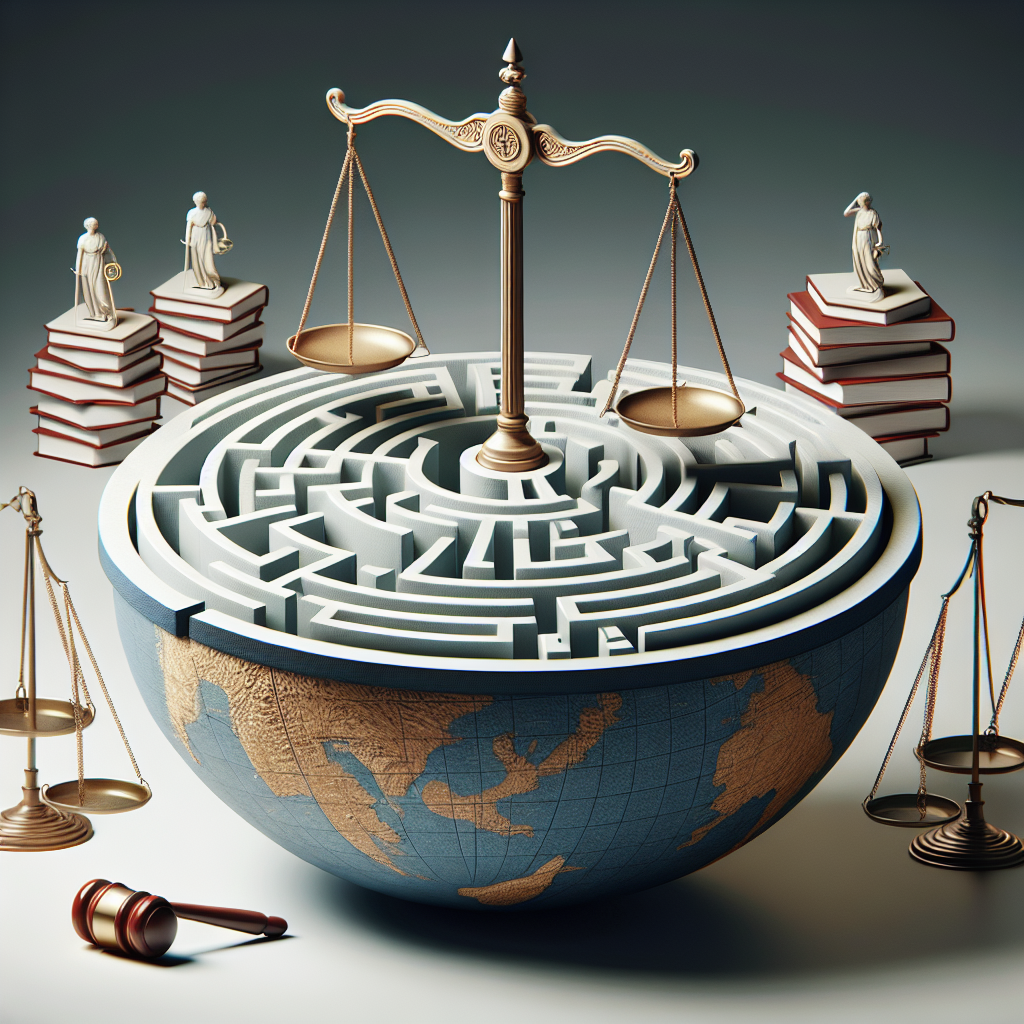
Globalization has profoundly transformed the political landscape, presenting unique challenges to democratic representation. As nations become more interconnected through trade, technology, and shared policy challenges, the ability of individual governments to respond effectively to their constituents’ needs is increasingly constrained. In 2025, issues such as climate change, migration, and economic inequality transcend national borders, complicating traditional notions of sovereignty and democratic accountability.
The influence of international organizations and agreements often leads to tensions between national interests and broader global priorities. For example, citizens may feel that their governments prioritize international commitments over local concerns, resulting in feelings of disenfranchisement and frustration. This disconnection can foster resentment toward political elites perceived as more aligned with global institutions than with the needs of their constituents.
Addressing these challenges requires innovative approaches that prioritize both national interests and global responsibility. By fostering inclusive dialogue that takes into account diverse perspectives, governments can formulate policies with widespread citizen support, enhancing democratic representation in an increasingly interconnected world.
Building a More Inclusive Political Environment
Creating a more inclusive political environment is essential to address the challenges of democratic representation. One crucial step is to ensure that all segments of society, including marginalized groups, have equal access to political participation. This requires not only removing legal barriers but also addressing systemic inequalities that limit voice and agency. In 2025, initiatives aimed at increasing representation of women, racial minorities, and younger generations are gaining traction, bolstered by grassroots movements advocating for change in electoral systems and party structures.
Education also plays a significant role in fostering informed and engaged citizens. Civic education programs that promote critical thinking and an understanding of democratic principles are essential to empower individuals to participate actively in the political process. By equipping citizens with the tools they need to navigate complex political landscapes, societies can cultivate a more active and engaged electorate capable of demanding accountability from their representatives.
Moreover, leveraging technology to enhance political participation can help bridge gaps in representation. Online platforms that facilitate discussions, enable transparent information sharing, and encourage collaboration among diverse stakeholder groups can enhance democratic engagement. These digital tools must be deployed thoughtfully to ensure they reach varied demographics and empower citizens to participate meaningfully in their governance.
Conclusion
Democratic representation faces numerous challenges in 2025, ranging from eroding public trust and technological impacts to issues of gerrymandering and lobbying. While these obstacles can complicate the functioning of democracy, opportunities for reform and improvement exist. By fostering inclusive political environments, ensuring equitable access to technology, and prioritizing transparency and accountability, society can work toward a more robust representation of the populace’s interests. Understanding and actively addressing these challenges is crucial for sustaining the integrity and effectiveness of democratic governance in today’s dynamic world.
FAQs
What is democratic representation?
Democratic representation refers to a system of governance in which elected officials represent the interests and will of the citizens. It involves mechanisms that allow individuals to participate in decision-making processes, thereby ensuring that the government reflects the diversity and needs of its constituents.
What are the main challenges facing democratic representation today?
Some of the main challenges include the erosion of public trust in democratic institutions, the impact of technology and misinformation on political engagement, gerrymandering, the influence of lobbying and interest groups, and the constraints posed by globalization on national sovereignty.
How can we improve democratic representation?
Improving democratic representation can involve implementing electoral reforms, ensuring equal access to technology and political participation, fostering inclusive political environments, and enhancing educational initiatives about civic engagement and critical thinking.
What role does technology play in democratic representation?
Technology plays a dual role in democratic representation; it can enhance political engagement through accessible platforms for mobilization and information sharing but also contribute to misinformation and polarization, which can erode public trust and representation.
How does globalization impact democratic representation?
Globalization can complicate democratic representation by challenging national sovereignty and making it difficult for governments to respond effectively to local needs, as international commitments may take precedence over domestic concerns.