Exploring the Relationship Between Media Consumption and Political Beliefs
Exploring the Relationship Between Media Consumption and Political Beliefs
In today’s digital age, exploring the relationship between media consumption and political beliefs is more crucial than ever. As we navigate through 2025, the influence of media on politics has only increased, shaping opinions and societal values in profound ways. With the advent of social media, alternative news sources, and digital platforms, public discourse is continuously evolving. The way individuals consume media—whether through traditional outlets like television and newspapers or through online platforms—greatly impacts their political ideologies and engagement levels. This article will delve into this multifaceted relationship to provide a comprehensive understanding of how media consumption affects political beliefs in contemporary society.
The Evolution of Media Landscape and Political Engagement
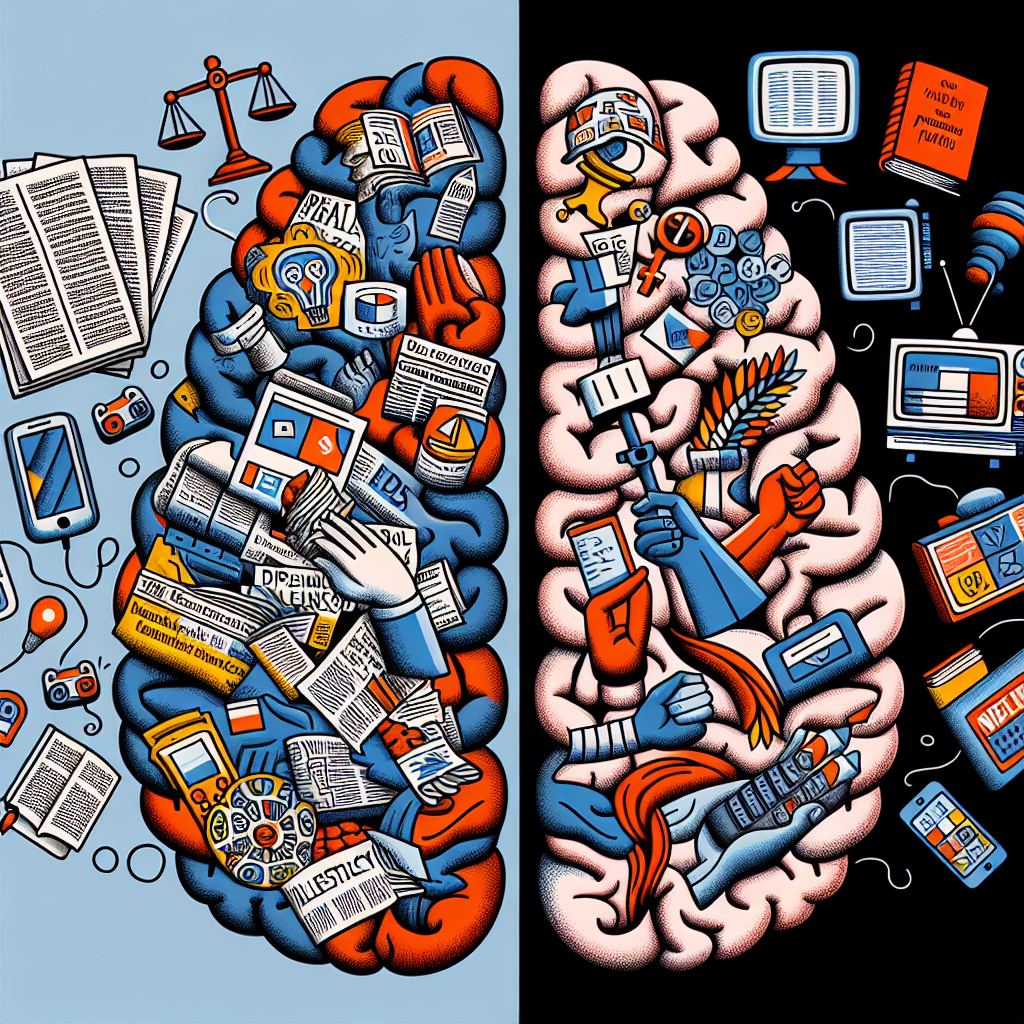
The media landscape has transformed dramatically over the last two decades. By 2025, the shift from traditional media platforms to digital-first news sources has set a new precedent for how political information is disseminated and consumed. Traditional media, including newspapers and television, often emphasize objectivity and balanced reporting. In stark contrast, digital platforms enable the proliferation of user-generated content, leading to highly personalized news experiences. This evolution has created an environment where political beliefs can be reinforced by echo chambers, as individuals gravitate toward media that aligns with their pre-existing views. As a result, understanding this shift is essential in exploring how media consumption influences political beliefs—echoes of which can be seen in voting patterns and public opinion.
Moreover, this evolution has given rise to numerous media outlets that cater specifically to niche audiences, each with its ideological leaning. For instance, platforms like Fox News, MSNBC, or more liberal or conservative social media channels curate news that resonates with particular political demographics. This targeted approach not only affects the information flow to consumers but can also heighten political polarization. As individuals engage more with these tailored media sources, their political beliefs may become increasingly entrenched. This dynamic becomes particularly poignant during election cycles in which media portrayal of candidates and policies can significantly sway public opinion.
The Role of Social Media in Shaping Political Opinions
Social media has become a dominant force in the dissemination of political information as of 2025. Platforms like Twitter, Facebook, and TikTok facilitate instant access to a variety of opinions and news stories, blurring the lines between formal journalism and personal commentary. This democratization of information allows individuals to engage with diverse viewpoints yet simultaneously creates challenges for discerning credible sources. Within social media, political discourse is often reduced to sound bites and memes rather than nuanced discussions, leading to oversimplifications of complex issues. As users interact primarily with content that aligns with their beliefs, the phenomenon of confirmation bias intensifies, fostering a polarized political climate.
Additionally, social media algorithms play a significant role in determining which content users encounter. These algorithms are designed to maximize engagement and often prioritize sensational or emotionally charged content at the expense of factual accuracy. Consequently, users are frequently exposed to misinformation, conspiracy theories, or overly partisan commentary, further clouding their understanding of political landscapes. The implications of this are profound—when media consumption becomes a source of division rather than information, it directly impacts political beliefs and civic engagement. It is crucial to analyze how individuals navigate this landscape and adapt their belief systems in response to the media they consume.
The Psychological Impact of Media Consumption on Political Beliefs
Understanding the psychological dimensions of media consumption is vital for exploring the relationship between media access and political beliefs. Research indicates that exposure to particular types of media can evoke strong emotional responses, which, in turn, influence political attitudes. For instance, emotionally charged news stories or targeted political ads can elicit feelings such as fear, anger, or pride, compelling viewers to adopt more extreme political positions. By tapping into these emotions, media outlets can sway public opinion and motivate individuals to engage in political action, whether through voting, protests, or advocacy.
Moreover, the psychological concept of social identity plays a crucial role in framing political beliefs. As individuals identify more strongly with specific political groups, their media consumption habits often mirror the ideologies of those groups. This alignment fosters a sense of belonging but can also perpetuate a biased worldview. When individuals consume media celebrating their group’s beliefs and vilifying opposing perspectives, it reinforces group identities at the expense of nuanced understanding. This phenomenon contributes to the creation of polarized bubbles, in which different factions exist in separate realities influenced primarily by their respective media ecosystems.
Lastly, the role of cognitive dissonance cannot be understated. When individuals encounter conflicting information that challenges their political beliefs, they may experience discomfort, prompting them to either reshape their beliefs to align with new information or dismiss the new information altogether. This rejection reinforces existing beliefs, often leading to increased polarization and reduced willingness to engage with opposing viewpoints. As media consumption becomes intertwined with psychological processes, it becomes increasingly evident that understanding these dynamics is essential for addressing the wider implications for society at large.
<h2.Media Literacy and Critical Thinking in Political Discourse
In the context of 2025, the promotion of media literacy and critical thinking skills has become fundamentally important to create discerning media consumers. As exposure to varied media sources increases, individuals must be equipped with the tools to assess the credibility of information critically. Media literacy education can help individuals navigate through the complex media landscape and cultivate an understanding of how biases manifest across different platforms. By fostering these skills, society can encourage informed citizens capable of engaging in political discourse responsibly and thoughtfully.
Furthermore, media literacy extends beyond simply analyzing content; it involves understanding the motivations behind media production. Recognizing the economic and ideological incentives of various media outlets allows consumers to approach news with an analytical mindset. This understanding not only fosters skepticism of sensationalist narratives but also encourages individuals to seek out diverse viewpoints. Engaging with multiple sources fosters empathy and a more comprehensive understanding of social issues, ultimately contributing to a healthier political discourse.
However, while media literacy initiatives are crucial, they alone cannot bridge the gap of polarization created by biased media consumption. A collaborative effort involving educational institutions, community organizations, and media outlets is needed to create a culture of critical media engagement. Initiatives promoting discussions around counter-narratives and facilitated dialogues can provide safe spaces for individuals from differing political perspectives. By leveraging the power of education and open conversation, society can encourage collective resilience against misinformation and cultivate a more informed electorate.
The Future of Media Consumption and Political Beliefs
As we advance further into 2025, the future of media consumption will likely continue to evolve alongside technological advancements. Emerging technologies, such as artificial intelligence and virtual reality, have the potential to reshape the way political content is created and consumed. For instance, AI-driven personalization may offer users an even more tailored media experience, allowing them to engage with content that aligns closely with their political preferences. This development has the potential to magnify existing echo chambers, reinforcing political polarization and further complicating the landscape of civic engagement.
Moreover, the battle against misinformation will undoubtedly be a primary focus for both media organizations and policymakers in the coming years. In response to growing concerns about the impact of fake news on democracy, there may be increased regulatory actions aimed at curbing misinformation spread across digital platforms. Content verification technologies and enhanced transparency measures will become vital tools in restoring public trust in media. By prioritizing journalistic integrity, media organizations can contribute to a more informed and politically engaged society, fostering healthier political discourse.
Finally, the intersection of media consumption and political beliefs will continue to be a significant area of academic research and public policy debate. As the consequences of media influence on public opinion become increasingly apparent, educators and mental health professionals will need to work collaboratively with media outlets to promote responsible engagement. By continuing to explore this complex relationship, society can effectively navigate the challenges posed by a rapidly changing media environment and strive toward a political landscape characterized by informed citizenry and constructive discourse.
Conclusion
Exploring the relationship between media consumption and political beliefs reveals the intricate ways in which our media landscape shapes societal values. From the evolution of digital platforms to the psychological effects of media engagement, understanding these dynamics is essential in fostering informed political discourse. As we continue to navigate an era of rapid technological advancement, the promotion of media literacy and critical thinking becomes paramount in addressing the challenges of misinformation and polarization. The road ahead calls for a collective effort to improve how individuals engage with media, ensuring that the political beliefs they form are based on diverse perspectives and factual information.
FAQs
What is the impact of social media on political beliefs?
Social media allows for quick access to various opinions and news, but it often reinforces existing beliefs through echo chambers, influencing political polarization.
How can media literacy improve political discourse?
Media literacy can equip individuals with the skills to critically assess information, discern credible sources, and engage with diverse perspectives, fostering a healthier dialogue.
What role does confirmation bias play in media consumption?
Confirmation bias leads individuals to seek out information that aligns with their pre-existing beliefs, which can deepen political polarization and reduce open-mindedness toward differing viewpoints.