Exploring the Role of Women in UK Politics: Historical Milestones and Modern Perspectives

Introduction
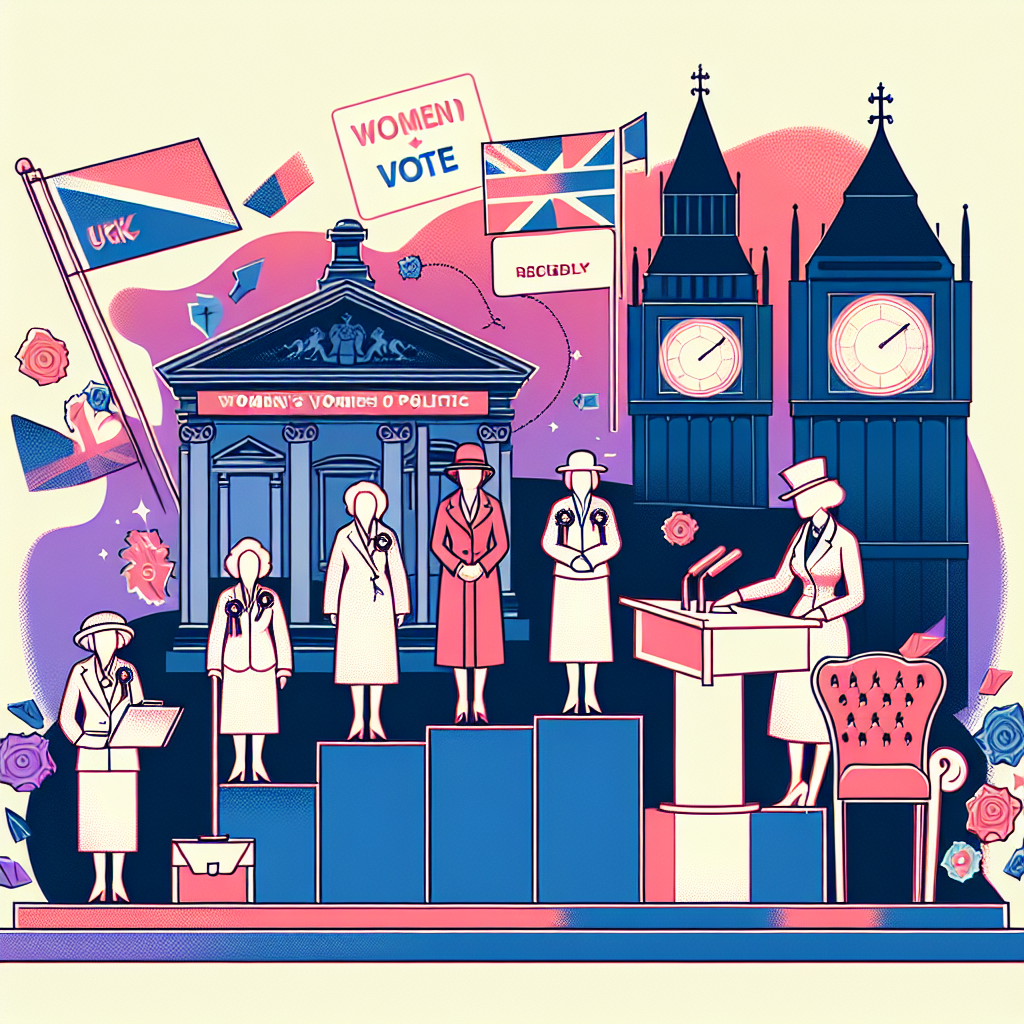
The role of women in UK politics has evolved significantly over the centuries, marked by historical milestones and modern advancements that continue shaping political discourse today. Exploring the role of women in UK politics offers insights into both the struggles faced and the achievements gained by women in the political arena. As we progress into 2025, the representation and influence of women remain pivotal in shaping the future of governance and policy-making. This article explores the major milestones achieved, the modern landscape of female politicians, and the ongoing challenges that women face in the political sphere.
Historical Milestones in Women’s Political Rights in the UK
The social and political status of women in the UK has undergone extensive transformation, particularly since the late 19th century. One of the most significant milestones was the Representation of the People Act 1918, which granted voting rights to women over the age of 30 who met certain property qualifications. This was a groundbreaking moment in political history, as women’s suffrage movements had campaigned vigorously for these rights, often at great personal cost. Activists such as Emmeline Pankhurst and her daughters spearheaded efforts that eventually led to expanded suffrage. The Act not only marked a turning point for women’s political engagement but also symbolized a challenge to the long-standing patriarchal structures that had kept women out of formal political processes.
Following this, the Equal Franchise Act of 1928 was another landmark achievement, extending voting rights to all women over the age of 21, thereby effectively aligning women’s voting rights with those of men. This was a culmination of decades of struggle and advocacy, and it laid the foundation for greater participation of women in all aspects of society, including politics. By the mid-20th century, women began to enter Parliament in more significant numbers, and by the 1980s, female representation was on a steady increase, although it still lagged behind male colleagues. The introduction of policies aimed at fostering gender equality in Parliament, such as the Labour Party’s all-women shortlists in the 1990s, spurred further advancements, making the political landscape increasingly diverse.
The Rise of Women in Leadership Positions
As we delve into modern perspectives on women’s roles in UK politics, one cannot overlook the remarkable rise of women into leadership positions. Figures such as Theresa May, the UK’s second female Prime Minister, and Nicola Sturgeon, First Minister of Scotland, exemplify how women have shattered glass ceilings in recent years. May’s tenure as Prime Minister from 2016 to 2019 was marked by significant events, including Brexit negotiations, and her leadership style showcased the capabilities of women at the highest levels of power. Sturgeon’s consistent focus on social justice and healthcare has earned her widespread acclaim, demonstrating that female leaders bring unique perspectives and priorities that can shape national policies.
Women have also made notable inroads into cabinet positions across various political parties. As of 2025, a record number of women serve as Secretaries of State and hold key ministerial roles, emphasizing the increasing acceptance and normalization of women in powerful political positions. This shift has fostered an environment where younger generations aspire to enter politics, inspired by the visibility and success of female leaders. However, this progress is accompanied by an acknowledgment of ongoing disparities, including representation issues within local councils and smaller political parties that continue to struggle with gender representation.
The Impact of Women in Politics on Policy and Governance
The active participation of women in UK politics has had a profound impact on policy and governance, particularly in areas connected to social welfare, education, and family issues. Women politicians often advocate for policies that promote equality and support marginalized groups, translating their personal experiences into legislative priorities. The focus on issues such as maternity leave, childcare support, and domestic violence legislation has been instrumental in shaping a more inclusive society. It’s evidence that when women are at the table, the political agenda reflects a broader spectrum of societal needs and concerns.
Moreover, the growing influence of women in politics has fostered more collaborative and inclusive governance styles. Research indicates that female leaders often prioritize consensus-building over adversarial approaches, which can lead to more constructive political dialogues. Women’s leadership can also pave the way for more comprehensive policymaking that accounts for the diverse needs of society. Initiatives such as the Women in Parliament Appraisal Summit have underscored the importance of women’s contributions to policy discourse, showcasing the need for a balanced representation that allows for varied viewpoints and experiences in governance.
However, the progress made is still marred by challenges such as sexism, harassment, and the struggle for equal pay within political offices. The experiences of women politicians in tackling these challenges not only affect their ability to perform but also echo in wider society, affecting how young women perceive their own potential in political fields. As discussions around gender equality continue to evolve, the awareness of these ongoing issues remains crucial to ensure that the gains made are not rolled back.
Challenges Facing Women Politicians in the UK
Despite the strides made in recent decades, women in UK politics continue to face substantial challenges which can impede their progress. Issues such as unconscious bias and entrenched stereotypes often shape the perceptions of women leaders, leading to a double standard that does not equally apply to their male counterparts. Women frequently contend with harsh scrutiny regarding their leadership styles, appearances, and personal lives, an aspect that male politicians are less likely to endure. This scrutiny can dissuade prospective female candidates from participating in political processes, limiting the diversity of ideas and experiences represented in governance.
Furthermore, women from racially and ethnically diverse backgrounds often experience additional layers of adversity in the political landscape. The intersectionality of gender and race can create unique barriers, making it essential for political parties to actively promote inclusive policies that support a diverse range of candidates. In recent years, there has been a notable push for intersectional feminism within UK politics, emphasizing the need for a multi-faceted approach to women’s rights that takes into account race, class, and sexual orientation.
Moreover, systemic issues such as work-life balance, particularly in a demanding political environment, can deter women from entering or remaining in politics. The lack of flexible working arrangements and necessary support structures can create a daunting barrier for those juggling familial responsibilities alongside political commitments. Advocacy for workplace policies aimed at achieving a better work-life balance is crucial in encouraging more women to not only enter politics but to thrive in it.
The Future of Women in UK Politics
Looking ahead to 2025 and beyond, the trajectory for women in UK politics suggests both challenges and opportunities. Women’s movements continue to mobilize, advocating for greater representation and gender parity at all levels of governance. As the political landscape evolves, the focus will likely remain on enacting policies that directly address societal gaps and push for equitable participation in politics. The rise of grassroots organizations and networks aimed at supporting women in politics, such as the Women’s Equality Party, is testament to the growing realization that concerted effort is required to maintain momentum toward equality.
Political education and mentorship programs targeting young women represent an important avenue for fostering future leaders. By equipping the next generation with the skills, confidence, and networks needed to enter political fields, a diversified political landscape can be nurtured. The increasing presence of women in historically male-dominated areas like engineering and technology also indicates a changing tide, as these sectors increasingly recognize the importance of diverse leadership.
In conclusion, as we navigate the complexities of modern governance and societal challenges, the imperative for women’s participation in UK politics remains vital. The continued exploration of women’s roles in political life will require a commitment to dismantling barriers, advocating for supportive policies, and amplifying women’s voices in every political conversation. With the ongoing efforts of strategic alliances, educational initiatives, and policy reforms, the future presents promising potential for women to increasingly influence the political narrative.
Conclusion
In summary, the role of women in UK politics has experienced transformative change throughout history, marked by significant milestones that have shaped current political engagement. The rise of women into leadership positions reflects a broader acceptance of women in power and highlights the unique contributions they make towards policymaking and governance. However, challenges such as discrimination, intersectionality issues, and the struggle for work-life balance remain prevalent. The future of women in UK politics hinges on continued advocacy, mentorship, and the fostering of a more inclusive and equitable political framework. As the narrative evolves, the pursuit of gender equality in politics will remain a crucial endeavor in shaping the UK’s democratic landscape.
FAQs
What historical milestones have shaped women’s political rights in the UK?
The primary historical milestones include the Representation of the People Act 1918, which granted voting rights to certain women, and the Equal Franchise Act of 1928, which expanded suffrage to all women over 21.
Who are some notable female political leaders in the UK?
Prominent female leaders include Theresa May, who served as Prime Minister from 2016 to 2019, and Nicola Sturgeon, who has been the First Minister of Scotland since 2014.
What challenges do women face in UK politics today?
Women in UK politics face challenges such as gender-based discrimination, unconscious bias, intersectionality issues, and barriers relating to work-life balance that can impede their political ambitions.
How has women’s participation in UK politics influenced policy-making?
Women’s increased participation in politics has led to the prioritization of policies focused on social issues, equality, and voices often marginalized in decision-making processes.
What does the future hold for women in UK politics?
The future looks promising, with increased advocacy for gender equality, support networks for women in politics, and a focus on mentorship and educational programs aimed at empowering the next generation of female leaders.