Globalization and Nationalism: A Political Tug-of-War
Introduction
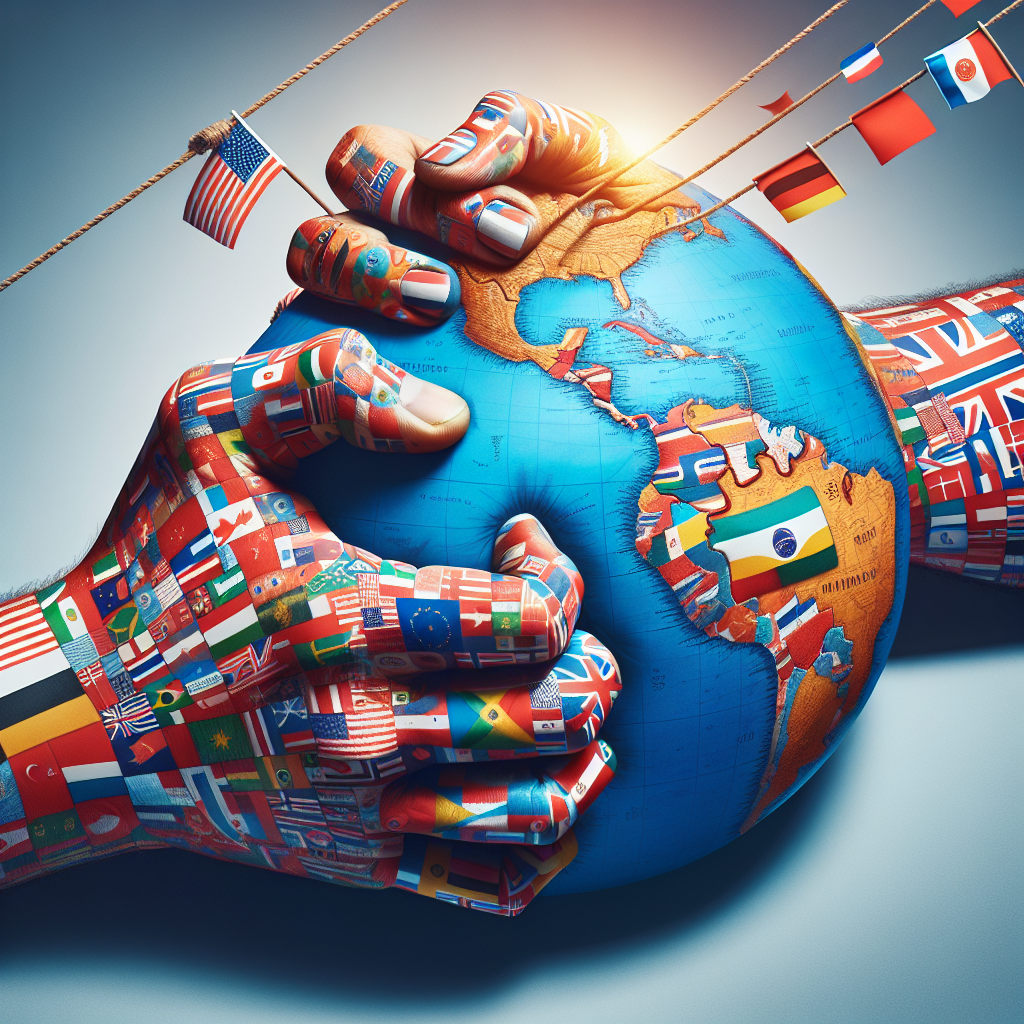
In the rapidly evolving landscape of the 2020s, the tug-of-war between globalization and nationalism has intensified significantly. As countries navigate the complexities of interconnectedness and cultural identity, the political discourse surrounding these phenomena becomes increasingly critical. This article delves into the multifaceted relationship between globalization and nationalism in 2025, examining how these forces shape economies, social structures, and national identities, and ultimately impact global governance.
Understanding Globalization in 2025
Globalization, characterized by the flow of goods, services, capital, and ideas across borders, has transformed the world economy and cultural interactions. As of 2025, digital technology continues to play a significant role in facilitating globalization, making it easier for businesses to operate internationally and for individuals to connect across cultural divides. E-commerce platforms, telecommunications advancements, and social media are integral in promoting global markets. Countries are increasingly adopting policies that favor international trade, leading to a more integrated global economy. However, this interconnectedness also raises concerns about economic disparities, cultural homogenization, and the erosion of national sovereignty.
The COVID-19 pandemic magnified these challenges, showcasing both the vulnerabilities and the advantages of a globalized world. On one hand, the rapid spread of the virus highlighted the risks associated with global interconnectedness, leading to significant disruptions in supply chains and international travel. On the other hand, the pandemic accelerated innovation in remote work and digital solutions, demonstrating the resilience of global networks. As nations recover and rebuild in 2025, the lessons learned from the pandemic catalyze discussions about sustainable practices, fair trade, and the need for collaborative governance to address global challenges such as climate change and public health crises.
The Rise of Nationalism in the 2020s
In stark contrast to globalization, nationalism has gained momentum as a political ideology that prioritizes national interests, culture, and identity. The resurgence of nationalist movements in various countries around the world reflects a growing sentiment that global integration threatens local customs, economies, and political autonomy. By 2025, political leaders increasingly leverage nationalist rhetoric to rally support amid citizens’ fears of globalization’s implications, including job losses, immigration, and the perceived dilution of national identity.
Moreover, nationalism often manifests through protectionist policies that aim to shield domestic industries from foreign competition. Countries are grappling with the delicate balance between maintaining open markets and protecting local economies, leading to trade wars and tariff disputes. This shifting landscape compels governments to reconsider their foreign policies and seek a renewed sense of identity and belonging among their citizens, often resulting in a backlash against immigrants and international treaties. The interplay between these factions complicates international relations, as nations must navigate between fostering global collaboration and responding to calls for more robust nationalistic policies.
The Political Implications of Globalization and Nationalism
The persistence of the conflict between globalization and nationalism poses significant repercussions for political institutions and democratic processes across the globe. As populist leaders gain traction, traditional political parties grapple with the narrowing of their platforms to either accommodate nationalist sentiments or advocate for globalization benefits. The polarization of political discourse further complicates governance, making it difficult to achieve consensus on critical issues such as immigration, trade, and environmental policies. Voter engagement becomes an arena of contention, with citizens torn between the allure of a global identity and the familiar comforts of national pride.
Additionally, global institutions, which aim to address transnational challenges through unified efforts, face increasing skepticism and resistance. Organizations like the United Nations and World Trade Organization are often critiqued for being out of touch with nationalistic priorities, causing member states to question the efficacy of collaborative governance in addressing pressing issues like poverty, inequality, and climate change. Countries that embrace a more insular approach find themselves at odds not only with each other but also with global agendas that require collective action.
The rise of nationalism has significant implications for foreign policy, as nations increasingly pursue bilateral agreements that prioritize national interests over multilateral cooperation. An example of this is the dynamic relationship between the European Union and its member states in 2025, with several countries advocating for greater autonomy and control over their policies, particularly concerning migration and economic regulations. Ultimately, this tension fuels a volatile political environment, requiring innovative solutions from leaders committed to preserving both national identity and global cooperation.
Economic Consequences: Globalization vs. Nationalism
The economic ramifications of globalization and nationalism are profound and multifaceted. In 2025, countries are wrestling with the economic repercussions of their choices, unable to ignore the realities that arise from deciding between international collaboration and domestic protection. Global supply chains that once thrived on efficiency are now scrutinized for their vulnerabilities exposed during crises like the pandemic. Economies are shifting towards resilience, with nations focusing on sustainability and local production as a counter to reliance on global supply routes.
Furthermore, industries face tremendous pressure to adapt to nationalist policies that advocate for local job creation, equitable wages, and the support of domestic businesses. While such moves may bolster national economies in the short term, they could result in inefficiencies and higher consumer prices. Moreover, as companies seek to remain competitive in this hybrid environment, they are challenged to innovate both in products and processes, exploring ways to operate sustainably while navigating the political minefields of trade policy.
As financial markets respond to the dichotomy between globalization and nationalism, investors become more cautious, weighing the risks and rewards associated with different economies. Uncertainty arising from fluctuating trade policies and nationalistic sentiments can lead to volatile market conditions, complicating investment strategies. The need for businesses to adapt rapidly to shifting political climates underscores the importance of agility in planning and operating in a globalized world that is increasingly punctuated by nationalist interests.
The Social Landscape: Cultural Identity and Globalization
The social implications of globalization and nationalism profoundly affect cultural identity and societal cohesion. As individuals engage more in global culture through media, technology, and travel, tensions often arise between the embracing of a global identity and the desire to preserve local customs and traditions. In 2025, the world witnesses a complex interplay between cultural exchange and the resurgence of traditional values, as communities respond to the encroachment of globalization on their identities.
Youth movements around the globe illustrate this emerging duality, where young people are increasingly global citizens, connecting through social media and shared experiences. However, these same movements often invoke nationalist themes, advocating for the preservation of heritage, language, and customs. This scenario creates a rich but contentious cultural landscape, where debates surrounding immigration, multiculturalism, and assimilation dominate discourse.
Furthermore, the tension between globalization and nationalism is visible in public sentiments regarding social justice and equality. While globalization has the potential to improve human rights through the exchange of ideas and best practices internationally, nationalist movements frequently frame such efforts as threats to local values. Issues such as immigration and community support become flashpoints for broader discussions about equity, inclusion, and social cohesion.
As nations attempt to create policies that reconcile these competing interests, the challenge lies in crafting comprehensive frameworks that appreciate local identities while promoting a sense of global solidarity. By 2025, the need for dialogues that bridge the divides between globalization and nationalism has never been more critical, as societies strive to nurture a shared future while honoring their unique cultural nuances.
Conclusion
In summary, the political tug-of-war between globalization and nationalism presents a dynamic and evolving landscape in 2025. As nations grapple with the benefits and challenges of interconnectedness and identity, the implications are profound across economic, social, and political realms. While globalization drives innovation, growth, and cultural exchange, the rise of nationalism highlights the essential role of local identities and the desire for autonomy. Striking a balance between these powerful forces is crucial for fostering resilient societies and addressing the complex challenges of our time. As we navigate this intricate relationship, the insights gleaned can help shape policies that embrace both global cooperation and national pride.
FAQs
What is globalization?
Globalization refers to the process by which businesses, cultures, and economies develop international influence or start operating on an international scale. It encompasses the exchange of goods, services, and ideas across borders.
What is nationalism?
Nationalism is a political ideology that emphasizes the interests, culture, and identity of a particular nation, often to the exclusion of others. It can manifest through policies that prioritize national interests over international cooperation.
How do globalization and nationalism interact?
Globalization and nationalism often intersect in complex ways, with globalization promoting interconnectedness and shared identities, while nationalism seeks to protect and assert local cultures, identities, and political autonomy.
What are the economic impacts of globalization and nationalism?
Globalization can lead to economic growth and job creation through international trade, while nationalism can result in protectionist policies that prioritize local businesses but may lead to inefficiencies and higher consumer prices.
How does the rise of nationalism affect international relations?
The rise of nationalism can complicate international relations by prioritizing bilateral agreements and national interests over multilateral cooperation, leading to tensions in global governance and trade policies.