How Historical Events Shape Current Political Views

Understanding How Historical Events Shape Current Political Views
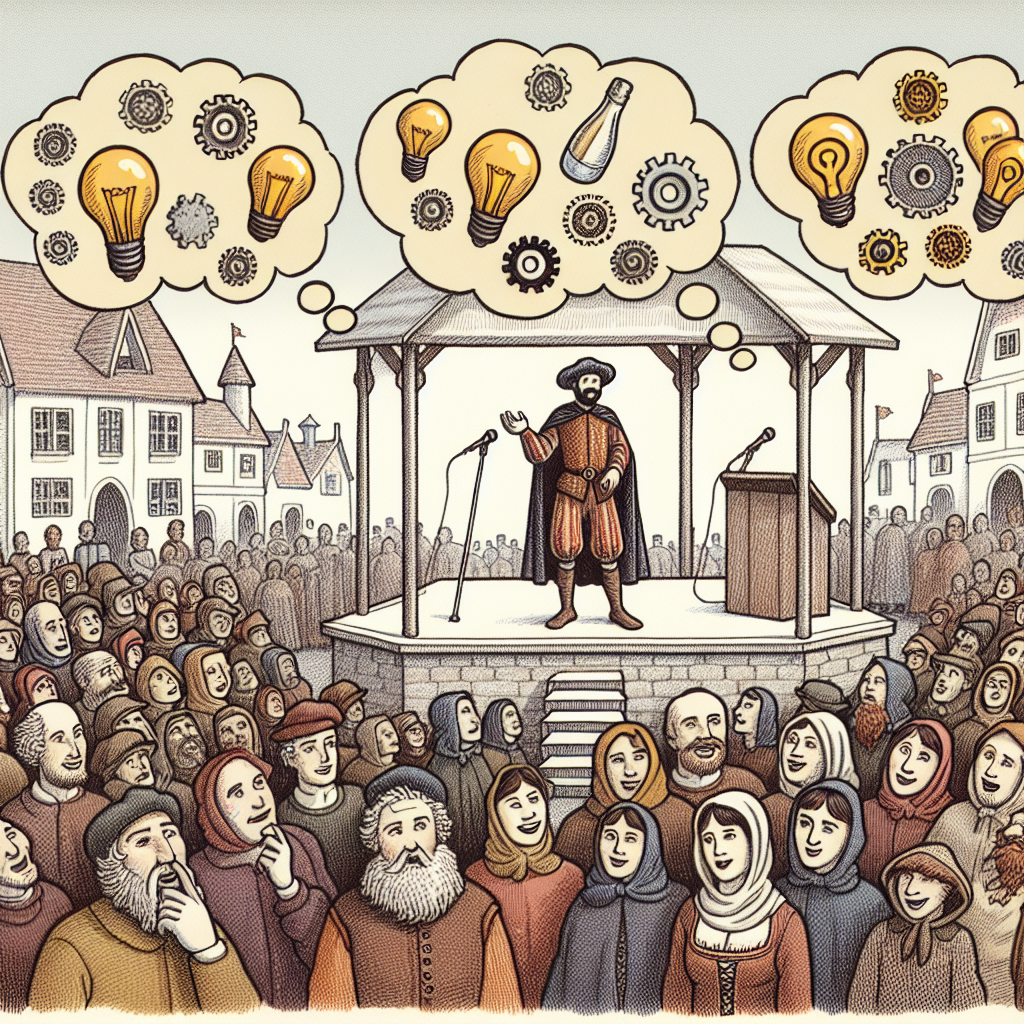
The interplay between historical events and contemporary political beliefs is a complex tapestry woven over decades, if not centuries. Every major instance in history, such as wars, economic crises, or civil rights movements, leaves an indelible mark on the political landscape, influencing public opinion and party ideologies. Understanding how these historical events shape current political views is essential for both academics and engaged citizens alike, especially in this ever-evolving political climate of 2025.
Historical Context and the Foundation of Political Beliefs
To grasp how historical events shape current political views, one must first understand the historical contexts that served as the bedrock for various ideologies. The aftermath of wars, revolutions, and major political shifts often sets a stage where new ideas can flourish or existing beliefs can harden. For instance, the post-World War II era witnessed the formation of the United Nations, which not only aimed to prevent further conflicts but also paved the way for the widespread acceptance of human rights as a core political issue. This laid the groundwork for contemporary discussions on social justice, civil liberties, and global governance. The echoes of these foundational events continue to resonate in political discourse, as many contemporary movements focus on justice, equality, and international cooperation.
The role of historical figures also cannot be overstated when examining how historical events shape current political views. Leaders like Franklin D. Roosevelt, whose New Deal policies emerged during the Great Depression, set a precedent for government intervention in the economy that persists through today’s discussions on welfare and economic reform. In light of the COVID-19 pandemic and its economic ramifications, many politicians and citizens refer back to FDR’s policies to advocate for similar government action in 2025, further embedding these historical contexts into the modern political narrative.
The Civil Rights Movement and Its Ongoing Influence
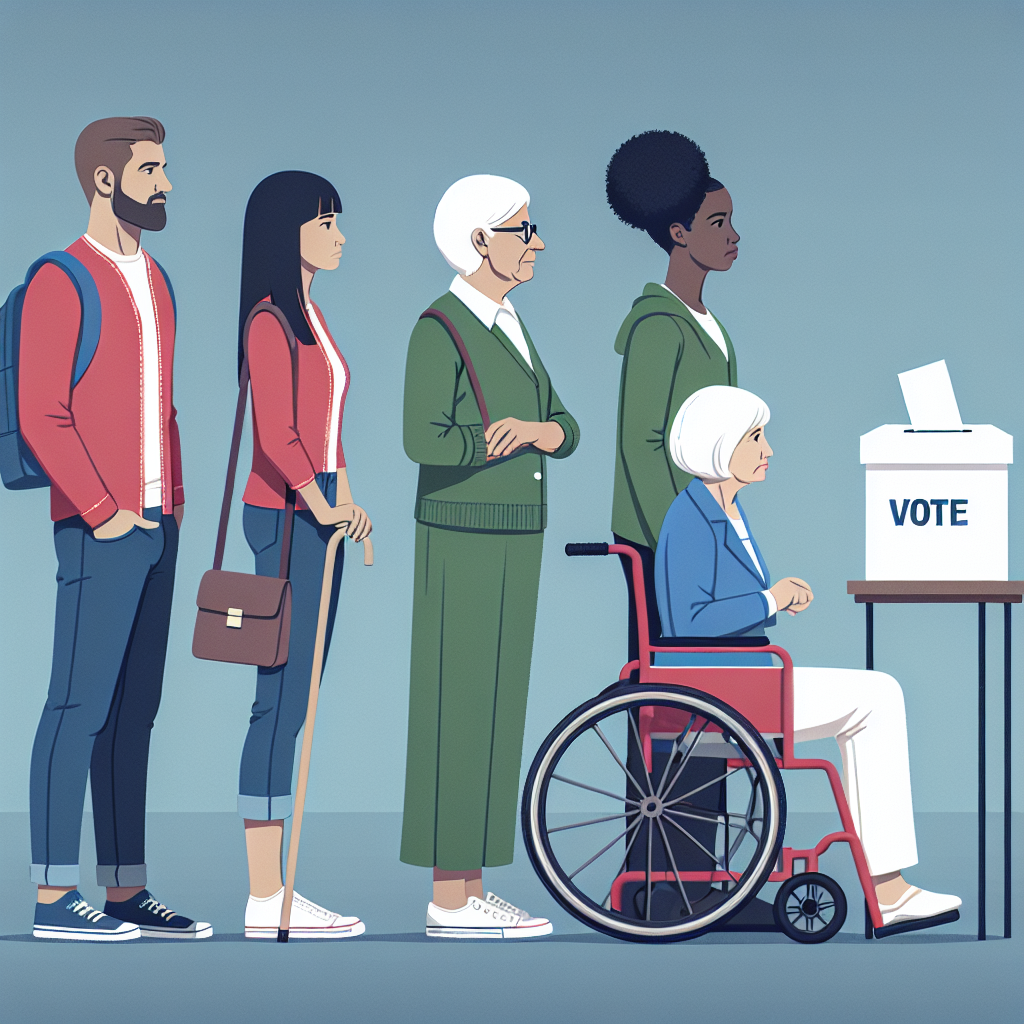
The American Civil Rights Movement of the 1950s and 1960s is a quintessential example of how historical events shape current political views, particularly in the United States. Major legislative achievements, such as the Civil Rights Act of 1964 and the Voting Rights Act of 1965, fundamentally transformed the political landscape by prohibiting discrimination based on race and ensuring voting rights for all citizens. These events instilled a sense of accountability among politicians, compelling them to address issues of race and equality more prominently within their platforms. Today’s movements, including Black Lives Matter, draw heavily from the strategies and ideals of the Civil Rights Movement, showcasing how deeply ingrained these historical narratives are in current socio-political discussions.
Furthermore, the historical context of the Civil Rights Movement has energized contemporary debates on systemic racism, police reform, and social justice, amplifying the voices of marginalized groups. In 2025, many advocates still refer to the legacies of civil rights leaders like Martin Luther King Jr. and Malcolm X to inspire their actions and rally support, illustrating the lasting impact of this era on modern political ideologies and activism. The embrace of historical narratives has created a scaffold for current political campaigns, reflecting the need to address lingering injustices in a society that is still grappling with its past.
The Role of Economic Crises in Political Evolution
Economic crises serve as potent catalysts for political change, often reshaping public opinion and altering party platforms significantly. The Great Recession of 2007-2008 is a striking example of how economic turmoil can realign political views. As unemployment soared and economic instability became pervasive, citizens looked towards government intervention as a necessary course of action. In 2025, discussions around economic policies still hearken back to the legacies of the Great Recession, with many politicians advocating for increased regulation and oversight to prevent future economic disasters.
Additionally, the aftermath of the Great Recession saw a rise in populist sentiments across the globe, leading to the emergence of leaders and movements characterized by anti-establishment rhetoric. This trend can be traced from Europe to the United States, where dissatisfaction with traditional political elites resulted in significant changes in party dynamics. The political landscape in 2025 is still informed by the economic disparities exacerbated by the recession, pushing conversations on economic justice, reform, and distribution of wealth to the forefront of political agendas.
Economic crises also catalyze shifts in voter behavior. The reactions to the COVID-19 pandemic revealed profound divides in political opinions regarding government intervention, healthcare, and social safety nets, which have historical roots in past economic upheavals. The political polarization surrounding economic policies in 2025 reflects the lessons learned, or sometimes ignored, from past crises, illustrating how economic history plays a continuous role in shaping contemporary political ideologies.
Global Conflicts and Their Impact on Domestic Politics
Global conflicts have historically influenced domestic politics, often resulting in temporary alliances and shifting public opinion. The rise of terrorism and the subsequent wars in Iraq and Afghanistan are than pivotal in shaping the political landscape of the early 21st century. These events stirred nationalistic sentiments and fostered anti-immigrant rhetoric, which continues to resurface in political debates in 2025. As nations grapple with the consequences of these prolonged conflicts, public sentiments oscillate between support for military action and the call to prioritize diplomacy and humanitarian efforts. The challenge remains for policymakers to navigate these complex legacies in their efforts to address contemporary threats.
Moreover, the Cold War dynamics created lasting ideological divisions that influence current political discourse. Instilled with a dichotomous worldview of capitalism versus communism, many political parties today still align themselves based on these historical narratives. In 2025, with the rise of China as a global power and its juxtaposition against Western ideologies, we see renewed discussions on trade, military posturing, and diplomatic relations, all underpinned by historical legacies rooted in Cold War tensions.
Additionally, the environmental crises exacerbated by global warming have historical roots in industrialization and wartime practices. Events such as the Kyoto Protocol highlight the evolving nature of global politics surrounding environmental action. As climate change takes center stage, contemporary political views increasingly acknowledge the historical responsibility of nations, propelling discussions on sustainability and ecological justice. These intersections of global conflict history and domestic policies challenge contemporary leaders to reconcile past mistakes with present needs.
Technological Advancements and Political Shifts
Technological advancements have played a transformative role in shaping political views over the decades, especially with the advent of the internet and social media. Historical events such as the Arab Spring, where social media was pivotal in organizing protests against oppressive regimes, have laid bare the power of technology in political movements. In 2025, the impact of these technologies on shaping public opinion cannot be overstated, as they serve both as a tool for mobilization and a platform for misinformation. The digital landscape becomes a battleground for narratives, leading to polarizing views and the transformation of political parties’ strategies.
The speed at which information travels through digital media allows historical narratives to be revisited and reframed, significantly shaping public discourse in real time. Political leaders in 2025 utilize social media to connect with voters and promote their agendas, often drawing stark contrasts between their policies and those of their predecessors, highlighting historical events to evoke emotional responses and garner support. The chorus of voices in the digital arena reflects historical grievances, aspirations, and ideologies, showcasing how historical events continue to influence narratives in the current political landscape.
Furthermore, technological prowess has given rise to new political movements focused on digital rights, surveillance, and privacy. The historical context of data breaches and corporate influence in politics raises urgent questions about ethics and accountability in governance. In 2025, the debate surrounding digital privacy and the preservation of civil liberties remains relevant, as citizens increasingly vocalize concerns over data misuse and authoritarian practices. This evolution illustrates how technological advancements built upon historical precedents continue to shape contemporary political ideologies and public sentiments.
Conclusion
The intricate relationship between historical events and current political views is woven deeply into the fabric of society. From the impacts of civil rights movements to the lessons learned from economic crises, global conflicts, and rapid technological advancements, these historical narratives form the bedrock upon which modern political beliefs are built. In 2025, the ongoing engagement with these events underscores the importance of understanding history to navigate the complexities of contemporary politics. As citizens become increasingly aware of the historical contexts driving modern issues, it is imperative to examine how we carry these narratives forward, ensuring they inform our discussions, policies, and collective aspirations for the future.
FAQs
How do historical events influence political ideology?
Historical events shape political ideology by laying the groundwork for social norms, beliefs, and governance systems that inform current views. Major historical milestones can redefine societal values and expectations.
What role do economic crises play in shaping political views?
Economic crises often lead to shifts in political views by highlighting the inadequacies of existing governance systems, provoking public demand for reform and governmental intervention.
Can technological advancements affect political conditions?
Yes, technological advancements influence political conditions by enhancing the speed and reach of information dissemination, affecting public opinion, and altering the nature of political engagement.
Why is understanding history important for modern politics?
Understanding history is crucial for modern politics as it provides insight into the roots of dissent, policy development, and public sentiment, allowing for more informed and effective political discourse.
How do global conflicts impact domestic politics?
Global conflicts can significantly impact domestic politics by introducing new ideologies, shaping national security policies, and influencing public sentiment toward foreign relations and immigration practices.