How Nationalism Shapes Political Landscapes

How Nationalism Shapes Political Landscapes
Nationalism is a powerful ideological force that significantly shapes political landscapes around the globe. As we move into 2025, the manifestations of nationalism have evolved and intensified in various regions, influencing everything from electoral politics to international relations. Understanding how nationalism molds political environments is crucial for comprehending contemporary global dynamics. This article explores the formational aspects of nationalism, its implications on state policies, and the ways it reshapes identities and governance.
Understanding the Roots of Nationalism
Nationalism is often described as a political ideology that emphasizes the interests and culture of a particular nation or group of people, often in opposition to foreign influence. Its roots can be traced back to the Enlightenment era, where the ideas of sovereignty, citizenship, and self-determination began to take shape. Throughout the 19th and 20th centuries, nationalism became a rallying cry for independence movements, with nations seeking to define themselves through shared language, culture, and history. In 2025, this historical backdrop is essential to understanding how nationalism is manifesting today.
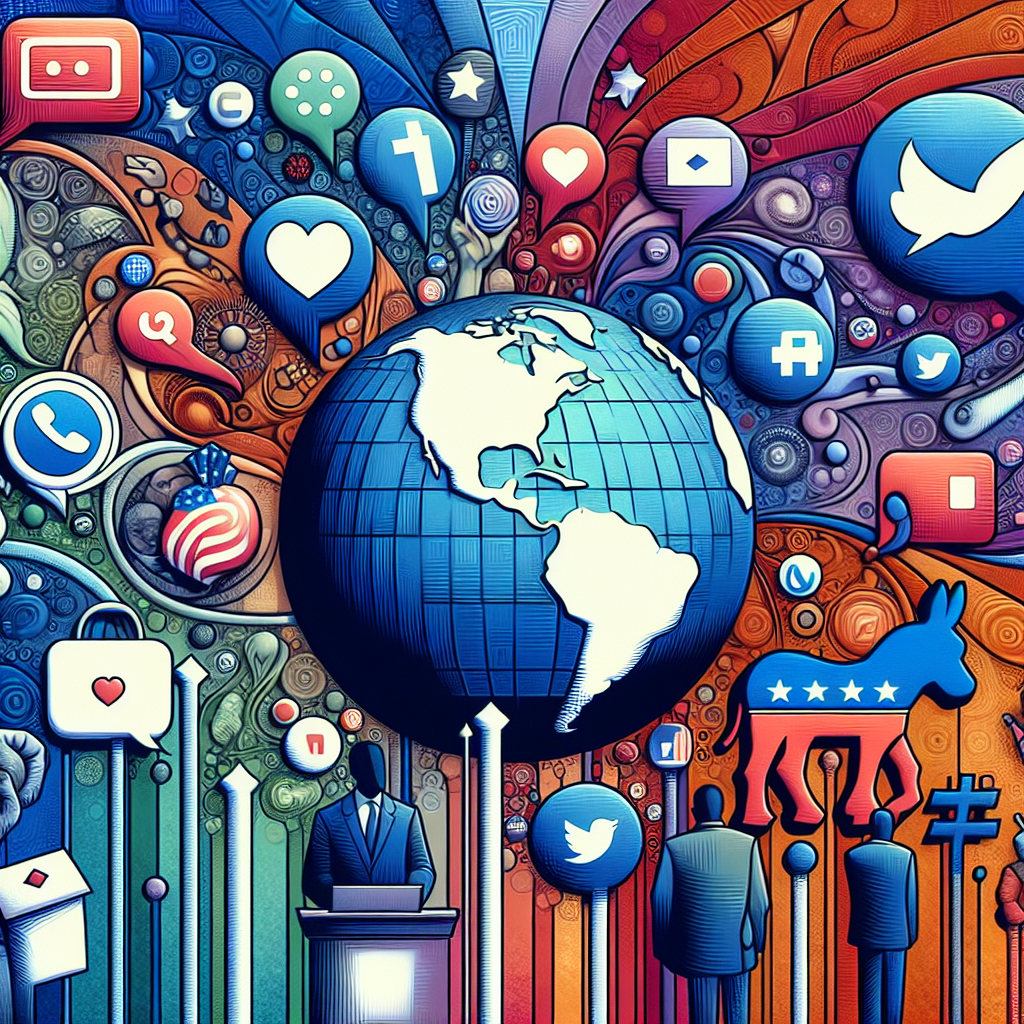
The rise of digital communication and social media has also transformed the nature of nationalism. Platforms like Twitter and Facebook enable like-minded individuals to connect across geographical boundaries, leading to the formation of transnational nationalist movements. These movements can promote unity and solidarity among people who share similar grievances or ideals, while simultaneously triggering backlash from established political entities. As a result, the interplay between nationalism and technology continues to redefine political landscapes, creating both opportunities and challenges for nation-states.
Nationalism’s Impact on Domestic Politics
Nationalism has an undeniable impact on domestic politics, influencing everything from party platforms to voter behavior. In 2025, nationalist political parties are gaining popularity in many countries, often capitalizing on sentiments of economic dislocation, cultural anxiety, and the perception of external threats. By promoting a narrative that prioritizes “the nation” over foreign influence or global cooperation, these parties can effectively mobilize voters who feel marginalized or alienated by traditional political systems.
Moreover, the consequences of rising nationalism can lead to significant policy shifts within nations. Governments may adopt stricter immigration policies, pursue economic protectionism, or even engage in military posturing as a means to safeguard national interests. For instance, countries facing increased immigration pressures might see a surge in nationalist sentiment, prompting lawmakers to impose limits aimed at preserving perceived cultural homogeneity. This political climate not only reshapes policies but also influences the general mood within society, leading to potential polarization.
Globalization and the Rise of Nationalism
In the context of globalization, nationalism can often be seen as a reactionary force. As interconnectedness increases through trade, communication, and migration, some populations feel their national identity is threatened by the erosion of local cultures and the influx of foreign influences. In 2025, this tension is particularly evident in regions experiencing rapid change due to globalization, such as Southeast Asia and Eastern Europe. The backlash against globalization has manifested in ethno-nationalist movements that advocate for local interests and challenge supranational institutions.
The clash between globalization and nationalism raises critical questions about governance and sovereignty. As nations grapple with the challenges of maintaining identity amid globalization, many governments are adopting more isolationist and nationalist stances to regain control over their borders and economic policies. This shift has prompted debates about the legitimacy of international treaties, trade agreements, and collective security arrangements, further complicating diplomatic relations across borders.
Nationalism also plays a critical role in shaping international alliances and conflicts. In an era characterized by a shift toward multipolarity, where power is distributed among various global players, nationalist sentiments can prompt countries to reassess their alliances. For example, we have seen a growing trend of alliances forming around shared cultural or national interests, rather than purely strategic or economic rationale. As such, nationalism can lead to unexpected partnerships or friction among nations, altering the existing power dynamics on the global stage.
The Role of Nationalism in Identity Politics
Identity politics are profoundly influenced by nationalism, as individuals derive their sense of self from their national identity or cultural affiliations. This dynamic is increasingly pertinent in 2025, where questions of belonging, representation, and cultural pride have become central to many political culture discussions. Marginalized communities often utilize nationalist rhetoric to reclaim their narratives and foster solidarity among similarly situated individuals, thereby reshaping the discourse around inclusion in the political sphere.
Additionally, the interplay between nationalism and identity politics can have significant implications for social stability and cohesion. In multi-ethnic societies, competing national narratives can exacerbate tensions and lead to conflict. In 2025, nations like India and Nigeria navigate these complexities by balancing diverse cultural identities with overarching national unity. Policies embracing multiculturalism or promoting a singular national narrative must be crafted with care to avoid alienating any group, as the nuanced relationship between national identity and citizenship continues to evolve.
The youth of today are pivotal in this context, as they are increasingly engaged with ideas of nationalism and social justice. With access to a wealth of information, they are more likely to question traditional narratives of nationalism that have historically marginalized certain communities. As young activists use social media platforms to advocate for change, their call for inclusion within the nationalist framework could reshape future political landscapes, leading to a more robust discourse encompassing all citizens’ rights.
Challenges and Consequences of Nationalism
While nationalism can foster unity and pride among citizens, it also poses significant challenges. One of the key concerns with nationalist movements is the potential for xenophobia and exclusionary practices. In 2025, as refugee crises persist due to conflict and climate change, extreme nationalist sentiments may lead to harsh treatment of displaced individuals. Populists often capitalize on fears of the “other,” framing immigration as a threat to national culture and security. This form of nationalism can escalate into violence and discrimination, leading to social division and unrest.
The rise of authoritarian nationalism is another concerning trend. Governments may exploit nationalist sentiments to consolidate power, undermining democratic institutions in the process. In certain countries, state-led nationalism manifests as oppressive policies that stifle dissent and limit freedom of expression. This growing authoritarian strain can create environments where civil rights are curtailed, revoking the very freedoms that nationalism often claims to protect. Observing these patterns prompts critical discussions about the thin line between patriotism and authoritarianism in 2025.
Moreover, the economic dimensions of nationalism cannot be overlooked. While protectionist policies may appeal to voters concerned about job losses and economic decline, they can also lead to trade conflicts and retaliatory measures from other nations. As countries erect barriers to protect local industries, the resulting economic isolation may inhibit growth and innovation. In 2025, the delicate balance between nationalism and global economic interdependence remains a focal point of debate, presenting both opportunities and risks for national economies.
Conclusion
In conclusion, nationalism profoundly impacts political landscapes around the world in 2025. Its historical roots shape contemporary identities, influence domestic policies, and redefine international relations. While it fosters a sense of belonging and unity, nationalism can also lead to tensions, exclusion, and authoritarianism, necessitating thoughtful engagement with its implications. Understanding how nationalism evolves and interacts with global trends is crucial for navigating the complexities of today’s political realities.
FAQs
What is nationalism?
Nationalism is a political ideology that emphasizes the interests and culture of a particular nation or group of people, often opposing foreign influence and advocating for self-determination.
How does nationalism shape political landscapes?
Nationalism shapes political landscapes by affecting voter behavior, influencing domestic policies, and redefining social identities, leading to significant implications for governance and international relations.
What are the challenges of nationalism?
The challenges of nationalism include the potential for xenophobia, the rise of authoritarian governance, and economic repercussions from protectionist policies, which can create social divisions and inhibit global cooperation.
How does globalization interact with nationalism?
Globalization can provoke nationalist sentiments as individuals and communities feel threatened by external influences. This dynamic creates a tension between global interconnectedness and the desire to preserve national identity.
What role do young people play in nationalism?
Young people are increasingly engaging in discussions around nationalism and identity politics, often advocating for inclusion and social justice within national narratives, reshaping the political landscape toward greater equality.