How Political Leaders Shape National Identity
National identity serves as a crucial element in defining a country’s character, influencing everything from cultural practices to foreign policy. In today’s interconnected world, political leaders hold immense power in sculpting this identity through their decisions, rhetoric, and overall governance. In 2025, the effects of political leadership on national identity are clearer than ever, as leaders navigate the challenges of globalization, technological advancements, and demographic shifts. This article delves into how political leaders shape national identity, analyzing their roles in fostering unity, promoting cultural narratives, and responding to societal changes.
The Role of Political Rhetoric in National Identity
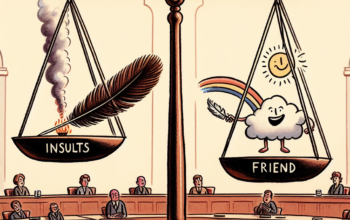
Political leaders use rhetoric as a powerful tool to influence public perception and reinforce national identity. Through speeches, public addresses, and social media interactions, leaders articulate visions of what it means to be a member of their nation. Rhetoric can invoke shared values, historical narratives, and common experiences that resonate with citizens and help build a sense of unity. For instance, during the COVID-19 pandemic, political leaders worldwide employed rhetoric that emphasized resilience and solidarity, reinforcing national identity by reminding citizens of their shared hardships and collective strength in overcoming challenges.
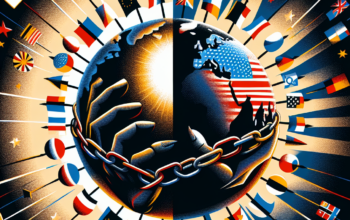
Moreover, political rhetoric can also delineate “us” versus “them,” distinguishing national identity from that of other nations. In 2025, this dynamic continues to shape national narratives as leaders respond to ongoing geopolitical tensions. For example, nationalistic sentiments may rise in response to perceived external threats, as leaders frame their policies and positions to unite citizens against foreign adversaries. This does not only reflect a strategic political maneuver; it deeply influences how citizens view themselves and their place in the global landscape.
The Influence of Policies on National Identity
The policies enacted by political leaders are instrumental in shaping the national identity. Through legislation related to immigration, education, and cultural heritage, leaders create frameworks that influence how citizens identify with their nation. In 2025, policies aimed at bolstering national identity often showcase a blend of inclusivity and traditionalism. For instance, reforms in educational curriculum might emphasize national history, diverse contributions of various ethnicities, and civic responsibilities, effectively crafting a multifaceted view of what it means to belong to that nation.
Additionally, immigration policies significantly impact national identity by shaping the demographic landscape. Leaders’ approaches to immigration, possibly influenced by economic needs or societal pressures, can either foster an inclusive national identity or promote division and exclusion. The narrative surrounding immigration significantly changes the collective psyche of a nation, either strengthening bonds among diverse groups or reinforcing barriers based on ethnicity, religion, and cultural practices. Consequently, the implications of these policies reverberate throughout society, shaping citizens’ perceptions and relationships.
Leadership During Crises and National Identity
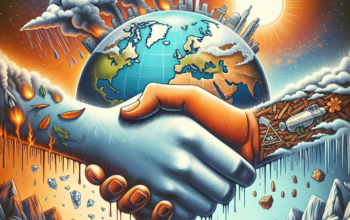
Political leaders are often judged by their responses in times of crisis, and these moments can significantly impact national identity. The ability to lead effectively during crises—be it natural disasters, economic downturns, or social upheaval—can either strengthen or erode national identity. In 2025, many political leaders faced challenges related to climate change, economic inequality, and social justice movements. Their responses not only determine their political fate but also shape the narratives citizens associate with their nation.
For instance, during a significant climate crisis, leaders have the opportunity to champion environmental stewardship. By promoting sustainability as a core value of the national identity, they can galvanize citizens around a shared cause. Conversely, a failure to address such critical issues can lead to disillusionment and a fractured sense of national pride. As leaders navigate these crises, their decisions and leadership styles become emblematic of the nation’s identity, impacting how citizens view their roles and responsibilities within society.
Moreover, political leaders often utilize crises as an opportunity to reinforce their leadership authority and legitimacy. In 2025, leaders have learned from past crises that showing empathy and decisiveness builds trust and solidarity among citizens, hence strengthening national identity. When leaders communicate clearly, actively listen, and engage with their constituents, they foster a communal spirit that reinforces a cohesive national identity in the face of adversity.
Media and Political Leaders: Shaping Perception and Identity
The media landscape in 2025 plays a pivotal role in amplifying political leaders’ messages, thereby shaping national identity. In an era characterized by the rapid consumption of information through digital platforms, political rhetoric can reach a wider audience faster than ever before. Leaders harness the power of media not only to communicate their policies but also to frame the national narrative. For example, leaders may use social media platforms to share personal stories that evoke a sense of belonging and national pride, while also addressing contemporary issues.
Furthermore, media representation of political leaders can influence public perception of national identity. Coverage that highlights leaders’ abilities to navigate complex issues can foster admiration and loyalty among citizens. Conversely, negative media portrayals can undermine leaders’ credibility, leading to skepticism and division within the populace. Thus, in 2025, the interplay between political leaders and media is critical, with implications for how national identity is formed and perceived.
Additionally, mainstream media and alternative information sources can create a polarized environment where divergent national identities emerge. The portrayal of political issues can lead to different interpretations and understandings of national identity among various citizen groups. This polarization presents unique challenges for leaders; they must strive to unify diverse populations while recognizing and respecting the plurality of identities within their nations.
The Future of National Identity in a Globalized World
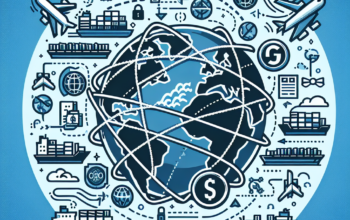
As we progress further into 2025, the future of national identity is being continually reshaped by political leaders confronting globalization’s challenges. The interconnectedness of economies, cultures, and societies has led to increased migration, cross-cultural interactions, and a blending of national identities. Political leaders play a crucial role in navigating this complexity by balancing globalization’s influence with the desire to preserve traditional values.
In response to globalization, some leaders have adopted populist stances, prioritizing their citizens’ interests while projecting a sense of national pride. Such approaches often manifest in policies promoting local industries and cultural heritage, reinforcing a sense of belonging among citizens. However, these same strategies risk alienating immigrant populations and minorities, challenging traditional notions of national identity. Political leaders must therefore tread carefully, as they are responsible for fostering a sense of inclusion while embracing the necessary evolution of national identity.
Moreover, the role of technology in shaping identity cannot be overlooked. Leaders in 2025 must address the implications of social media and digital communication on identity formation, recognizing their power to connect and divide. As new generations of citizens engage online, their notions of national identity are increasingly influenced by global trends, social movements, and international issues. Political leaders who are adept at using technology to engage and inspire may find themselves better positioned to shape national identity in a cohesive and positive direction.
In conclusion, political leaders wield significant influence over the evolution of national identity through their rhetoric, policies, responses during crises, engagement with media, and adaptation to globalization. As we reflect on the interplay between leadership and national identity, it becomes clear that the strategies employed by leaders in 2025 will leave lasting legacies, shaping how future generations define their connection to their nation and the world.
Conclusion
In summary, the shaping of national identity is a complex and ongoing process heavily influenced by political leaders. Their rhetoric can unify or divide, their policies can broaden or narrow the scope of belonging, and their handling of crises can either strengthen or weaken the communal fabric of society. As globalization evolves and media landscapes shift, the responsibility on leaders becomes even more pronounced. The interplay between political leadership and national identity is dynamic and multifaceted, profoundly affecting how citizens view themselves and their roles within the larger context of an increasingly interconnected world.
FAQs
How do political leaders use rhetoric to shape national identity?
Political leaders use rhetoric to articulate visions of national identity by invoking shared values, historical narratives, and collective experiences that resonate with their citizens, fostering unity or distinguishing their nation from others.
What roles do policies play in shaping national identity?
Policies regarding immigration, education, and cultural heritage define the demographic landscape and influence citizens’ perceptions of belonging, impacting how national identity is constructed and experienced.
How do crises affect national identity?
Leaders’ responses to crises can fortify or fracture national identity, as effective leadership during challenging times fosters a sense of community and collective responsibility among citizens.
How does media influence public perception of political leaders and national identity?
Media representation amplifies political leaders’ messages, shaping public perception and potentially affecting citizens’ sense of national identity by portraying leaders positively or negatively.
What is the impact of globalization on national identity?
Globalization challenges traditional notions of national identity by introducing a blending of cultures and identities, prompting leaders to balance preserving local traditions with embracing a more diverse and interconnected global identity.