How Political Parties Adapt to Changing Public Opinions
Introduction
As the political landscape continues to evolve at a rapid pace, understanding how political parties adapt to changing public opinions has never been more essential. The digital age, characterized by instantaneous information transfer and social media engagement, has transformed how political parties interact with constituents. In 2025, amid crucial elections and shifting societal values, the ability of political parties to resonate with the electorate can dictate their success. This article explores the strategies and mechanisms by which political parties adjust their platforms, messaging, and outreach to align with the evolving beliefs and priorities of the public.
Understanding Public Opinion: The Cornerstone of Political Strategy
Public opinion serves as the backbone of a democracy, influencing policy decisions, election outcomes, and overall political party platforms. In 2025, political parties leverage sophisticated data analysis tools to gauge public sentiment meticulously. Utilizing polls, social media analytics, and focus groups, these parties glean insights into the electorate’s mood, allowing them to tailor their communications effectively. Gone are the days of one-size-fits-all messaging; contemporary political strategies are increasingly data-driven, relying on real-time feedback to inform campaign tactics and policy positions.
Political parties also recognize that public opinion is not static; it fluctuates based on numerous factors such as socio-economic changes, cultural shifts, and significant events. In response, parties often adopt a more fluid approach to their platforms, crafting messages that resonate with immediate public concerns while remaining aligned with their core values. This adaptability becomes especially crucial during pivotal moments, such as national crises or legislative debates, where public sentiment can dramatically shift overnight, demanding swift re-evaluation of a party’s stance.
The Role of Social Media in Shaping Political Identity
In 2025, social media platforms have solidified their position as vital tools for political communication, enabling parties to engage with voters directly and transparently. Political parties have transformed their social media presence into platforms for dialogue and engagement rather than mere broadcasting channels. By using innovative campaigns that invite interaction, parties can enhance their visibility while simultaneously monitoring public reactions on pressing issues. This immediate feedback loop allows for rapid adjustments in messaging and strategy, ensuring that political identities align closely with public sentiment.
Moreover, social media amplifies marginalized voices and perspectives, requiring political parties to be attuned to evolving social movements. Issues once deemed fringe or secondary can rise quickly to prominence through grassroots advocacy and trending topics, compelling parties to adopt nuanced positions. For instance, movements advocating for climate justice or racial equity have forced many political platforms to reevaluate their policies and prioritize these issues to maintain voter trust and engagement.
The Impact of Demographic Shifts on Political Adaptation
Demographic changes play a significant role in shaping public opinions, and in 2025, parties must navigate an increasingly diverse electorate. The growing influence of younger voters, particularly Generation Z and Millennials, has accelerated calls for progressive policies, prompting parties to embrace reforms that reflect the values of these crucial voting blocs. For instance, issues such as climate change, social justice, and economic equality resonate profoundly with younger voters, compelling parties to adjust their platforms accordingly or risk alienating this demographic.
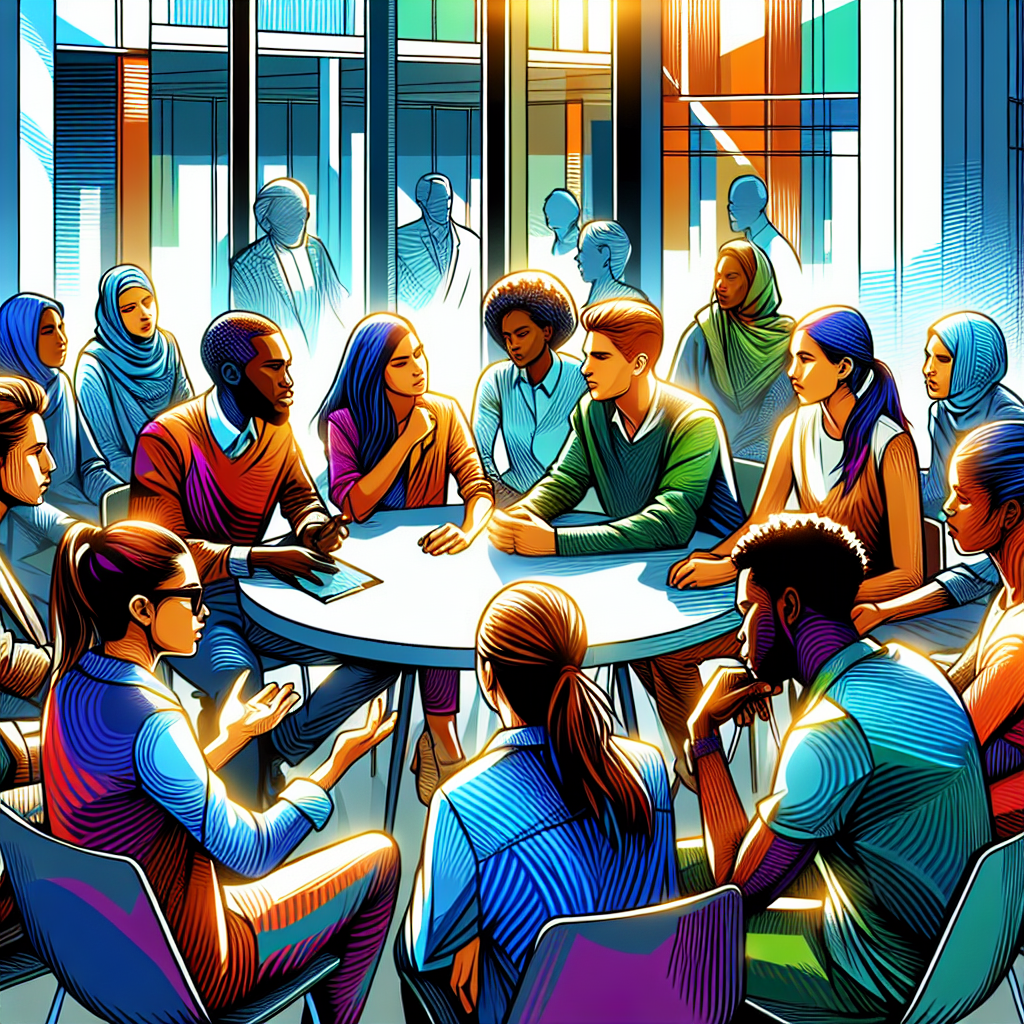
To address these shifting demographics, parties invest in outreach strategies that emphasize inclusivity and representation. Engagement campaigns focusing on underrepresented groups—whether based on race, gender, or socioeconomic status—help build broader coalitions while shifting the narrative around party identity. This proactive adaptation not only aligns parties with contemporary public sentiments but also fosters an environment of trust and legitimacy necessary for electoral success.
Policy Innovation and Flexibility in Party Platforms
In a world where public opinions are increasingly vocalized and politicized, policy innovation has become a distinguishing feature of successful political parties in 2025. Adapting to changing public sentiments often involves revisiting and revamping established policy frameworks. Political parties that engage in a continuous cycle of evaluation and modification find themselves better positioned to respond to emergent issues effectively. For instance, following the COVID-19 pandemic, health policies and economic recovery plans became focal points in political discourse, requiring parties to develop innovative solutions that address both immediate and long-term concerns.
Political flexibility doesn’t mean abandoning core values; rather, it’s about being responsive and pragmatic. Parties adopting a policy innovation mindset may find themselves integrating evidence-based approaches and stakeholder feedback into their platforms. Additionally, they might explore collaborative solutions across party lines to navigate complex issues, thereby enhancing their appeal to a broader audience. Such adaptability signals to voters that the party is not only aware of current challenges but is also committed to fostering practical solutions that align with the electorate’s evolving needs.
Engagement Strategies: From Grassroots Campaigning to Digital Connections
Grassroots campaigning remains central to how parties engage with the public, but the approach has morphed significantly in 2025. While traditional door-to-door canvassing and town halls remain effective, these strategies are now complemented by digital initiatives that expand the reach and engagement potential. Political parties have harnessed cutting-edge technologies, such as mobile applications and interactive websites, to facilitate communication between citizens and their representatives. Through these digital channels, parties can cultivate a more organic connection with voters, allowing for two-way dialogues that foster community involvement.
Furthermore, the rise of online activism and community organizing has led to a reimagining of how parties mobilize supporters. Movements often gain momentum on social media, allowing parties to connect with potential voters based on shared causes rather than strict party affiliation. By supporting causes and movements that resonate with their base, parties can tap into the enthusiasm of grassroots efforts while adapting their platforms accordingly. This synergy not only drives voter engagement but enhances the credibility and relevance of political parties in the modern landscape.
Conclusion
In 2025, as political dynamics shift and public opinions evolve, political parties are increasingly focusing on adaptability as a core component of their strategies. This entails understanding and effectively responding to diverse demographics, leveraging social media for engagement, and remaining innovative in policy-making. The ability of these parties to connect with the electorate meaningsfully can define their success in a rapidly changing political landscape. Ultimately, the capacity for adaptation will remain critical as parties navigate the complexities of public sentiment, seeking to champion the values and priorities that resonate most with their constituents.
FAQs
How do political parties gauge public opinion?
Political parties utilize polls, focus groups, social media analytics, and other data-driven tools to measure public sentiment and adapt their strategies accordingly.
Why is social media important for political parties?
Social media allows political parties to engage directly with voters, gather immediate feedback, and amplify messaging, making it a crucial component of modern political strategy.
How do demographic shifts impact political strategies?
Demographic changes can significantly influence public opinions, prompting parties to adjust their platforms, outreach efforts, and policies to address the interests and values of diverse voter groups.
What role does policy innovation play for political parties?
Policy innovation helps parties remain relevant by enabling them to address emerging issues and public concerns, ensuring they resonate with the electorate’s evolving needs.
How can grassroots campaigning adapt in the digital age?
Grassroots campaigning can leverage digital tools and social media for outreach, thus expanding engagement efforts beyond traditional methods and fostering a sense of community among supporters.