How Social Media is Transforming Political Activism
How Social Media is Transforming Political Activism
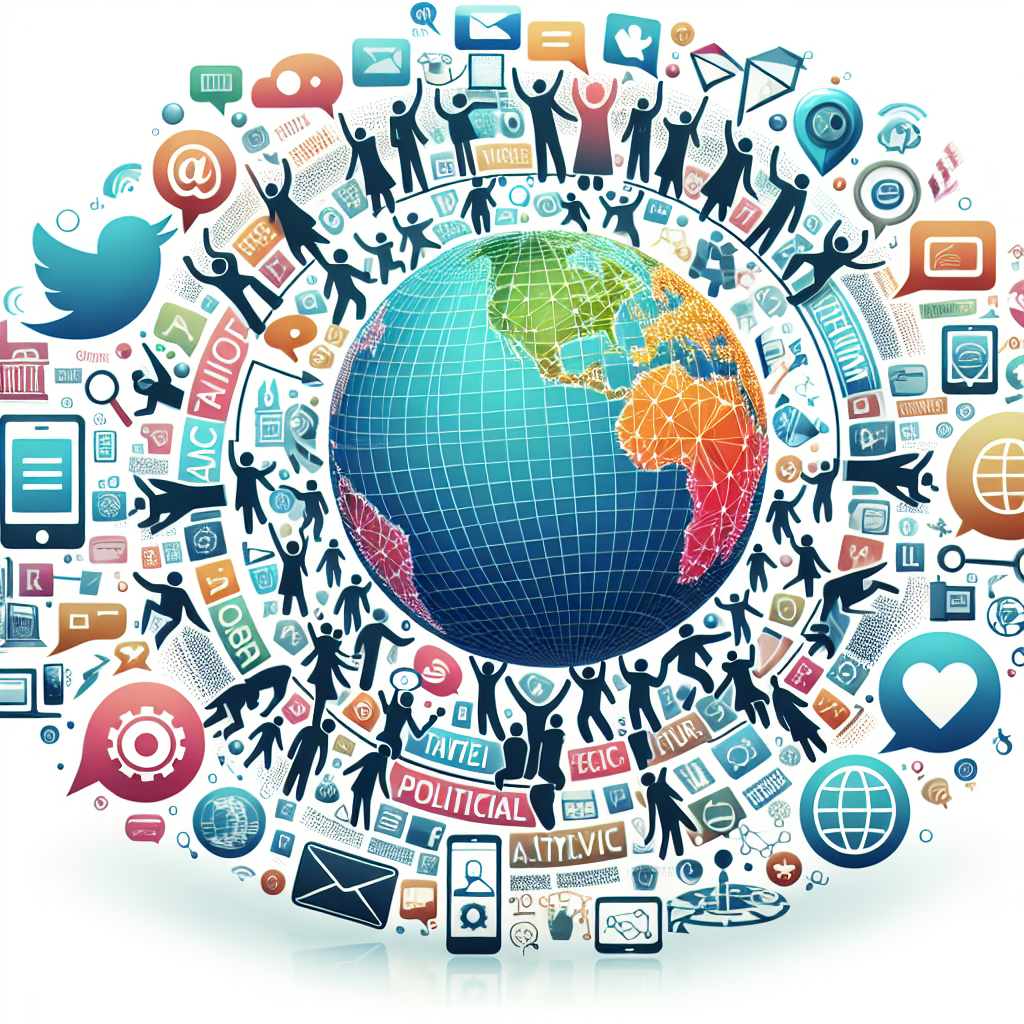
In the year 2025, we witness an unprecedented evolution in the political landscape, chiefly propelled by the rise and omnipresence of social media. As platforms like Twitter, Facebook, Instagram, and TikTok become ingrained in the fabric of our daily lives, they are not merely tools for communication or entertainment; they have become critical instruments for political activism. Activists are leveraging these platforms to amplify their voices, mobilize communities, and challenge long-standing power structures. This article explores how social media is transforming political activism, highlighting its role in grassroots movements, shaping public opinion, and influencing policy decisions.
The Rise of Grassroots Movements through Social Media
Social media has democratized the way individuals engage with politics, facilitating the rise of grassroots movements across the globe. Unlike traditional political organizations that often require significant resources and infrastructure, social media allows anyone with internet access to participate in the political discourse. Movements like Black Lives Matter and climate activism led by figures such as Greta Thunberg showcase how social platforms can enable individuals to organize, inform, and mobilize large groups swiftly and effectively. In many instances, these movements have gained traction globally, demonstrating the power of collective action that exists beyond geographical boundaries.
Moreover, social media allows activists to bypass conventional media gatekeepers, giving them direct access to audiences. This unmediated communication enables the dissemination of messages that reflect the people’s will rather than filtered narratives that often dominate mainstream media. For example, hashtags like #MeToo and #YouthForClimate have not only raised awareness but also created a sense of urgency around social issues, attracting widespread public support and ultimately leading to tangible change. The virality of social media campaigns means that a single post can spark conversations and actions that resonate with communities worldwide, reconfiguring how political activism is understood and practiced.
Shaping Public Opinion through Viral Content
In the digital age of 2025, the influence of social media on public opinion cannot be overstated. The algorithms that govern social media platforms curate content that reaches users based on their interests and behaviors, which significantly shapes their perceptions of political issues. Viral content—whether it’s a meme, a video, or a poignant post—can encapsulate complex issues into easily digestible formats, making them more accessible to a broader audience. This phenomenon leads to dynamic discussions and, in many instances, ignites movements that transcend traditional political boundaries.
The youth, in particular, are unprecedented consumers of digital media, often gaining their insights and understanding of political issues through social platforms. By harnessing relatable content, political activists have the ability to influence generational attitudes towards key issues such as climate change, racial inequality, and human rights. Activism in this era is not just about rallying the base; it’s about creating a digital narrative that resonates with users on an emotional level, motivating them to take action, whether that’s attending a protest, signing a petition, or engaging in discussions about the issues at hand.
The Role of Influencers in Political Activism
Influencers have emerged as pivotal players in the realm of political activism, acting as amplifiers for causes that resonate with their audience. In 2025, we see influencers leveraging their platforms to advocate for social justice, environmental conservation, and political reform, effectively bridging the gap between activism and mainstream culture. Their ability to connect with followers on a personal level allows them to humanize complex political issues, making activism more relatable and achievable for everyday individuals. The making of alliances between influencers and established movements has granted significant visibility to lesser-known causes, showcasing how social media can serve as a catalyst for change.
Moreover, influencers also tap into the marketing strategies employed by brands to create impactful campaigns around activism. For instance, during election cycles, influencers mobilize their followers to vote, advocate for specific policies, or support particular candidates. This brings a new dimension to political engagement, as their influence can drive massive turnout and awareness in younger demographics often disengaged from traditional political processes. As influencers continue to take a stand on critical issues, they create an expectation for their peers to participate, making political engagement a community norm rather than an individual endeavor.
The Impact of Misinformation on Political Activism
While social media has enhanced the capacity for political activism, it has also paved the way for the proliferation of misinformation. In the current landscape, false narratives and misleading information can rapidly spread across platforms, creating confusion and undermining trust in political processes. Misinformation campaigns can delegitimize grassroots movements by portraying them in a negative light or misrepresenting their goals. The issue of deepfakes, manipulated videos, and altered images has further complicated the challenges activists face in promoting their causes authentically.
Differentiating between credible information and misinformation has become increasingly difficult, which has necessitated the development of digital literacy programs aimed at helping individuals critically assess the information they encounter online. These programs focus on teaching users how to identify reputable sources, analyze claims, and understand the motivations behind specific narratives. As political activism increasingly relies on online engagement, combating misinformation has become a crucial component of ensuring that movements can operate effectively and maintain the trust of their supporters.
Future Directions: The Evolution of Political Activism in a Digital Age
As we move further into the digital age, the future of political activism is closely tied to ongoing technological advancements, including artificial intelligence and data analytics. In 2025, activists are utilizing sophisticated tools to analyze social media trends, gathering insights into public sentiment and adapting their strategies in real time. This data-driven approach allows movements to target their messaging more effectively, maximizing engagement and participation. Innovations in technology will only expand these capabilities, enabling activists to streamline their operations and enhance their impact.
Furthermore, the rise of decentralized platforms like blockchain has the potential to transform political activism by providing a secure space for discussions, donations, and decisions without conventional oversight. Such platforms can enhance transparency and accountability within movements, addressing some concerns related to data privacy and ownership that are prevalent in major social media networks. The continued evolution of technology promises to create a more nuanced and multifaceted landscape for political activism, where traditional methods and digital strategies coalesce to foster change.
Ultimately, the future of political activism in a social media-centric world also hinges on regulating practices on these platforms. Policy changes aimed at holding platforms accountable for the spread of misinformation, harassment, and data misuse will be crucial in maintaining public trust and fostering a healthy political discourse. As activists engage in discussions about equity, justice, and human rights, their ability to navigate and influence these regulations will shape how political engagement unfolds in the years to come.
Conclusion
In summary, social media is undeniably transforming political activism in profound and far-reaching ways. From the rise of grassroots movements that harness the power of collective voices to the shaping of public opinion through viral content, social media serves as a double-edged sword. While influencers play a crucial role in mobilizing support and engaging younger demographics, the fight against misinformation remains a significant challenge that activists must confront. Looking to the future, advancements in technology and regulatory frameworks will shape the trajectory of activism, highlighting the dynamic interplay between social media and the political landscape in 2025 and beyond.
FAQs
How has social media changed the landscape of political activism?
Social media has democratized access to political engagement, allowing grassroots movements to gain visibility and mobilize quickly. It provides a platform for unfiltered voices to be heard, making activism more inclusive and widespread.
What are some examples of successful social media-driven political movements?
Examples include the Black Lives Matter movement, which gained momentum through hashtags and viral posts, and climate activism led by figures like Greta Thunberg, whose campaigns have resonated with millions worldwide.
How do influencers impact political activism in the digital age?
Influencers help popularize political causes by connecting with their followers on a personal level, using their platforms to raise awareness and mobilize action around social and political issues that matter to their audience.
What challenges do activists face regarding misinformation on social media?
Activists contend with the rapid spread of misinformation, which can distort public perceptions of their movements and objectives. Combating false narratives is vital to maintaining credibility and fostering informed discourse.
What future trends can we expect in political activism driven by social media?
Future trends may include enhanced data analytics tools for campaign strategies, decentralized platforms for secure activism, and ongoing discussions about regulations to curb misinformation and ensure accountability in digital spaces.