How Technology is Changing the Game of Baseball

How Technology is Changing the Game of Baseball
In recent years, technology has significantly transformed the landscape of professional sports, and baseball is no exception. As we navigate through 2025, the impact of advanced analytics, wearable technology, and artificial intelligence is reshaping how the game is played, analyzed, and experienced by fans and players alike. This article delves deep into how technology is changing the game of baseball, exploring innovations that enhance performance, improve fan engagement, and revolutionize coaching strategies.
Advanced Analytics Transforming Baseball Strategy
The advent of advanced analytics has ushered in a new era for baseball strategy, fundamentally altering how teams approach both offense and defense. Traditional batting averages and earned run averages have given way to sophisticated metrics such as OPS (on-base plus slugging), WAR (wins above replacement), and pitch f/x data. These metrics provide invaluable insights into player performance, enabling coaches to make data-driven decisions that can significantly influence game outcomes. For example, teams can now analyze a player’s launch angle and exit velocity to optimize batting techniques, leading to increased home runs and overall scoring efficiency.
Furthermore, defensive alignments have been revolutionized through data analysis, allowing teams to optimize their fielding positions based on individual batter tendencies. The use of shift strategies, where players are repositioned to counteract a batter’s hitting patterns, has become commonplace. As of 2025, teams that adeptly utilize data not only increase their chances of winning but also refine their scouting processes, ensuring they identify undervalued players who can contribute significantly to the squad’s success.
Wearable Technology Enhancing Player Performance
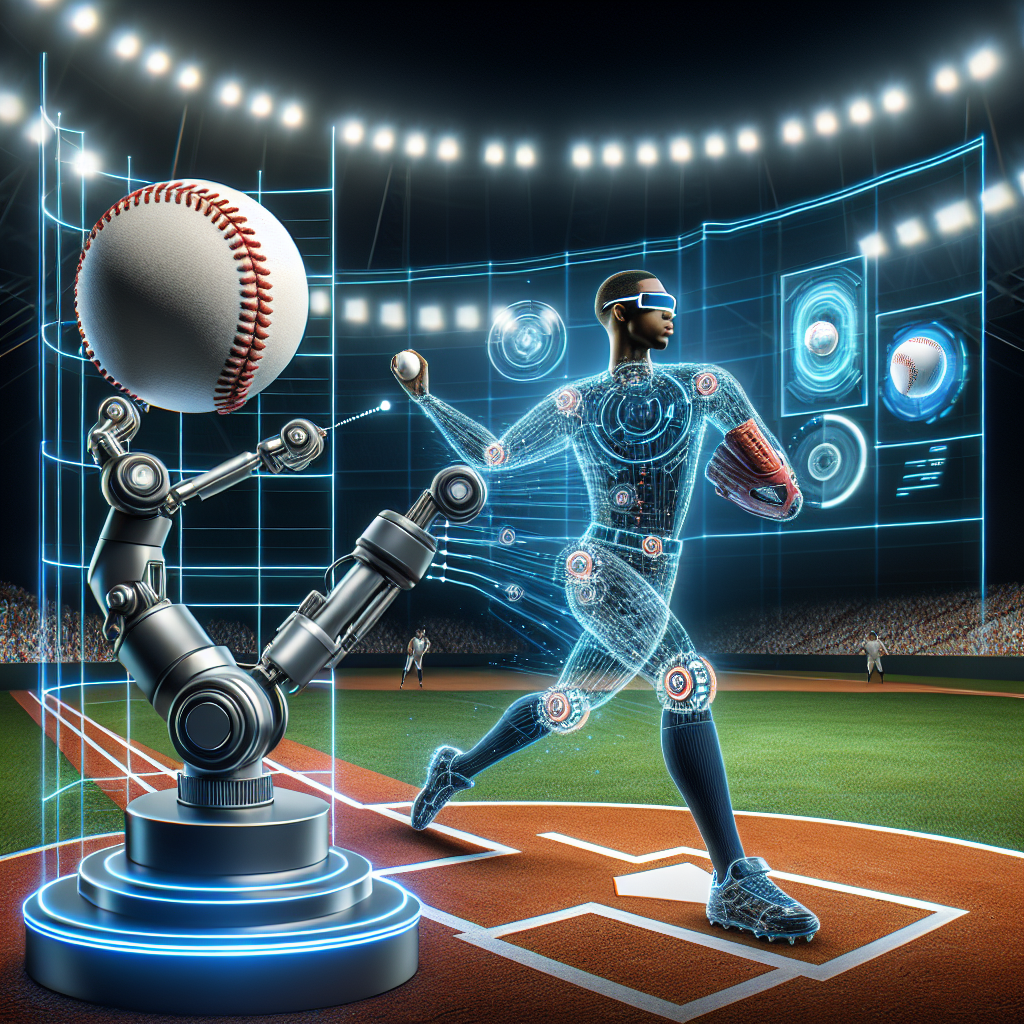
Wearable technology has become an essential component in improving player performance and health management in baseball. Devices like smart gloves, performance-tracking sensors, and biometric monitors now allow players to gather data on their physical condition in real-time. These wearables track metrics such as heart rate, movement patterns, and muscle strain, enabling players and coaches to tailor training programs that reduce the risk of injury and enhance performance.
In 2025, many teams utilize these advancements to adopt a more holistic approach to player wellness. With real-time data at their disposal, organizations can create customized recovery protocols that help athletes maintain their peak physical condition throughout the grueling 162-game season. Players can monitor their exertion levels during training and games, ensuring they make informed decisions about when to push their limits and when to rest. This level of intelligence not only contributes to individual player success but also strengthens team dynamics, as a healthier roster leads to more consistent performance over time.
Artificial Intelligence in Game Strategy and Fan Engagement
Artificial intelligence (AI) is emerging as a game-changer in baseball strategizing and fan interaction. Using machine learning algorithms, teams can analyze vast data sets to uncover patterns and trends that would be impossible to identify through conventional methods. This insight allows teams to devise precise game strategies tailored to their opponents, such as optimal pitching plans based on batters’ historical performance or adjusting hitting strategies for specific pitchers. AI-driven simulations are becoming standard practice, allowing teams to forecast the outcomes of various strategic decisions before executing them on the field.
Additionally, AI is revolutionizing how fans engage with the game. In 2025, many franchises use AI-assisted chatbots and virtual assistants to enhance fan experiences, from providing game statistics and updates to facilitating ticket purchases. This technology offers fans a personalized engagement experience, increasing their enjoyment and involvement in the game. Moreover, augmented reality (AR) applications are gaining popularity, providing fans with real-time stats and player analytics through their smartphones during live games.
Video Analysis and Instant Replay System Appreciation
Video analysis has long been a pivotal tool in baseball, but recent advancements have elevated its significance and accuracy. Coaches and players now have access to high-definition video feeds that allow them to meticulously analyze every moment of gameplay. In 2025, video analysis technology aids teams in breaking down individual players’ mechanics, from their pitching form to their batting stance. By reviewing footage of their performance, players can make immediate adjustments to enhance their game, leading to better overall results.
The implementation of instant replay technology further highlights the intertwining of technology and baseball. Initially introduced to reduce human error on contentious calls, the instant replay system has evolved over the years. Now, it not only clarifies on-field decisions but fosters a culture of accountability among umpires and teams alike. In 2025, the instantaneous nature of video reviews minimizes disruptions, providing a more engaging experience for fans, as they see live breakdowns of crucial plays and understand the rationale behind the decisions being made.
Data-Driven Decision Making Revolutionizes Scouting
The scouting landscape in baseball has experienced a seismic shift thanks to technology and data analytics. Gone are the days when scouts relied solely on their eyes; today, they are equipped with a plethora of statistics and performance measures that fundamentally change how players are evaluated. The use of advanced scouting databases enables teams to compile extensive reports on potential recruits, assessing not just raw talent but also player potential based on historical data.
In 2025, the emphasis on biomechanics and statistical modeling is paramount in the evaluation process. Teams now analyze pitchers’ release points, velocity, and spin rates, while hitters’ performance is scrutinized based on their ability to handle different pitch types or game situations. This data-driven approach ensures that teams make informed decisions during drafts and trades, leading to more successful roster compositions.
Moreover, technology continues to play a vital role in fostering player development. Teams leverage analytics to create targeted training regimens for young prospects, focusing on areas requiring improvement as identified by data analysis. This dynamic adjustment helps nurture future stars and maintain the competitive edge necessary in Major League Baseball (MLB).
Conclusion
As we delve into 2025, it’s clear that technology is not just changing the game of baseball; it’s fundamentally reshaping it. Advanced analytics drive strategic decisions on the field, wearable technology enhances player health and performance, artificial intelligence offers insights into game strategy and fan engagement, video analysis refines player mechanics, and data-driven decision-making revolutionizes scouting. These innovations promise to augment the richness of baseball while providing players and fans with an engaging and informed experience. As technology continues to advance, the possibilities for the future of baseball seem endless, ensuring the game remains relevant and exhilarating for generations to come.
FAQs
What role does technology play in player training?
Technology plays a crucial role in player training by providing real-time data through wearables and video analysis tools, enabling coaches to tailor workout regimens for optimal performance and injury prevention.
How has data analytics transformed scouting in baseball?
Data analytics has revolutionized scouting by allowing teams to evaluate prospects based on advanced metrics and historical performance, leading to more informed recruitment decisions.
What is the impact of AI on fan engagement in baseball?
AI enhances fan engagement by personalizing interactions with fans through chatbots and AR applications, providing dynamic real-time updates and an immersive experience during games.
In what ways can video analysis benefit players?
Video analysis benefits players by allowing them to review and adjust their performance, leading to improved techniques and strategies tailored to their individual strengths and weaknesses.
What future advancements can we anticipate in baseball technology?
Future advancements may include even lower latency instant replays, AI-driven analytics offering deeper insights, and innovative fan engagement platforms integrating virtual and augmented reality experiences during games.