The Future of Bipartisanship in a Divided Congress

Introduction
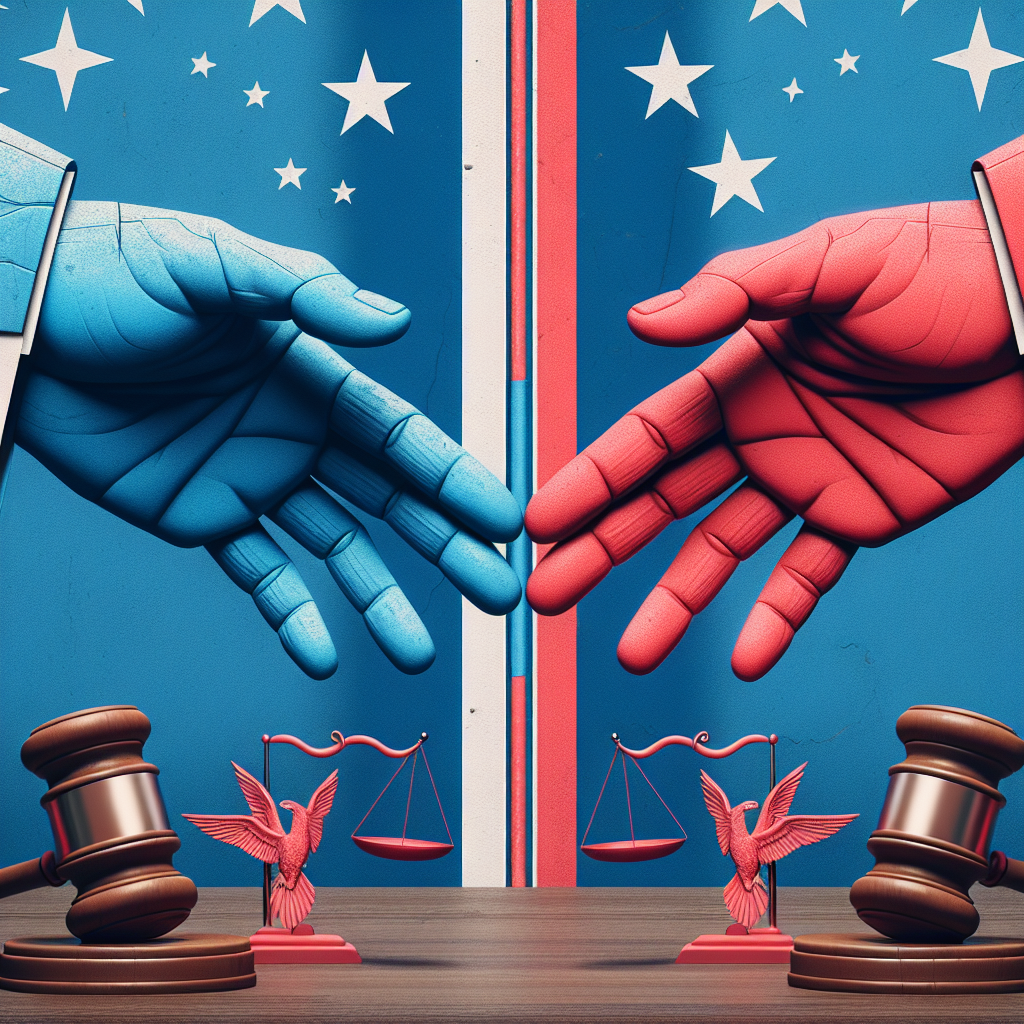
In 2025, the political landscape of the United States continues to evolve with a deeply divided Congress. The focus on the future of bipartisanship in a divided Congress has never been more crucial. With increasing polarization and a growing divide between party lines, the challenge of finding common ground remains a pressing issue for lawmakers and constituents alike. In this article, we will explore the current dynamics of bipartisan efforts, the historical context, potential paths forward, and the vital role that public sentiment can play in bridging the divide.
The Historical Context of Bipartisanship in Congress
Understanding the future of bipartisanship requires a thorough exploration of its historical context. For decades, Congress has seen ebbs and flows of cooperation and conflict, often tied to broader societal changes and political movements. Historically, periods of bipartisanship often coincided with national crises: the post-World War II era, the civil rights movement, and the aftermath of 9/11, all featured instances where parties worked across the aisle for the greater good of the country.
In recent years, however, this trend has markedly changed. The 2020 elections exponentially deepened party divisions, leading to a Congress where partisan loyalty often supersedes cooperation. The changes brought about by digital media, the rise of social networks, and the gerrymandering of congressional districts have further insulated politicians from their constituents, fostering environments where extreme views dominate debates. Hence, while the historical context shows that bipartisan efforts can flourish under stress, current dynamics pose significant challenges that may impede such efforts unless addressed.
Current Dynamics in a Divided Congress
As of 2025, the current Congress is sharply divided, with significant disparities between the two major parties. The House of Representatives has been characterized by narrow margins and heightened partisanship, often leading to gridlock on pivotal issues such as healthcare, climate change, and economic reform. This environment not only frustrates lawmakers but also alienates voters who increasingly seek representation and solutions rather than stalemates.
Amid this climate, however, there are pockets of bipartisanship taking root. Issues such as infrastructure development, veterans’ affairs, and some aspects of international trade have seen lawmakers from both sides working together, albeit on a limited scale. There is growing recognition that certain topics transcend party lines and have the potential to unite constituents, showcasing the necessity for cooperative efforts moving forward. As more representatives recognize the urgency of addressing pressing societal issues, the future of bipartisanship may hinge on these emerging alliances.
The Role of Public Sentiment in Bipartisanship
Public sentiment plays a vital role in shaping legislative priorities and the willingness of lawmakers to pursue bipartisanship. In recent years, Americans have expressed fatigue with extreme partisanship, highlighting a desire for cooperative governance that addresses everyday issues. Polls indicate that a significant majority of voters support collaborative approaches to governance, making it imperative for elected officials to respond to this sentiment. When constituents advocate for bipartisan solutions—whether through grassroots campaigns or direct communication with their representatives—it creates pressure on Congress to transcend party lines.
Moreover, advocacy groups and civic organizations are crucial in fostering a climate of bipartisanship. By uniting individuals across the political spectrum, such initiatives often bring awareness to shared values that lawmakers can capitalize upon. As these movements gain traction, they create a larger constituency for bipartisanship and reinforce the idea that collaboration can yield more favorable outcomes for constituents. The synergy between public sentiment and legislative action may serve as a foundation for reclaiming an effective and functional Congress.
Challenges to Bipartisanship Moving Forward
Despite optimistic signals regarding the potential for bipartisanship, several challenges remain that lawmakers must navigate. The first challenge is the entrenched party leadership, which often prioritizes party loyalty over collaboration. Party leaders wield significant influence in legislative agendas and can stifle initiatives that appear too cooperative with the opposing side. This dynamic creates an environment where lawmakers fear backlash from their party base or leadership, thereby discouraging cross-party collaboration.
Another formidable challenge lies in the increasing polarization of media outlets and social platforms. As public discourse becomes more fragmented, the fundamental understanding of issues can become obscured or exaggerated. Misinformation can exacerbate divisions, pushing boundaries even further apart. Lawmakers must not only contend with their opponents but also with the skewed perceptions of their constituents. Overcoming these challenges requires multifaceted strategies, including fostering a culture of accountability, transparency, and dialogue within and outside Congress.
Lastly, the influence of special interest groups can create additional barriers to bipartisanship. Many lawmakers find themselves beholden to these groups for campaign support, often leading to policy decisions that align more closely with specific interests rather than the collective needs of their constituents. A renewed focus on campaign finance reform and lobbying regulations could potentially mitigate this problem, paving the way for a Congress more responsive to the public’s will.
Innovative Approaches to Enhancing Bipartisanship
To nurture a spirit of bipartisanship in a deeply divided Congress, innovative approaches must be implemented. One promising method is creating bipartisan working groups focused on specific issues. These groups can comprise members from both parties who meet regularly to brainstorm solutions, host town halls to gather community input, and draft legislation collaboratively. Such initiatives could serve as incubators for ideas that reflect a wide range of views while reinforcing personal connections among lawmakers across party lines.
Moreover, prioritizing bipartisan outreach efforts is crucial for addressing challenges of perception and misinformation. By developing campaigns that simplify complex issues into relatable narratives, lawmakers may foster a broader understanding that transcends partisan divides. Public forums featuring representatives from both parties can showcase the commitment to working together, highlighting progress made through collaboration.
Lastly, leveraging technology and digital platforms can also enhance bipartisanship. Virtual town halls, social media campaigns, and online advocacy can create a real-time dialogue between lawmakers and constituents. Encouraging citizens to engage in active discussions—rather than echo chambers—can promote a climate where the value of collaboration is highlighted and celebrated. Through these innovative approaches, Congress may rekindle a spirit of bipartisanship and engagement.
Conclusion
As we navigate the complex landscape of the future in 2025 and beyond, the potential for bipartisanship in a divided Congress remains both a challenge and an opportunity. Historical contexts teach us that collaboration is possible, while current dynamics and public sentiment highlight the need for a renewed commitment to cross-party dialogue. Addressing existing challenges and embracing innovative approaches can redefine the role of Congress in American governance. By fostering bipartisanship, legislators not only fulfill their responsibilities but also align with the desires of a populace yearning for effective and collaborative representation.
FAQs
What is bipartisanship and why is it important in Congress?
Bipartisanship refers to the cooperation between two major political parties, typically in a legislative context. It is important in Congress as it facilitates the passage of legislation that reflects a broader consensus, helps achieve national goals, and may reduce political polarization.
How has bipartisanship changed in recent years?
In recent years, bipartisanship has significantly declined, particularly post-2020 elections, where increased polarization has dominated the political discourse. Lawmakers often prioritize party loyalty leading to heightened gridlock on key issues that require collaboration.
What are some examples of bipartisan efforts in Congress?
Notable bipartisan efforts in Congress include legislation related to infrastructure investments, veterans’ benefits, and certain aspects of climate change policy. While these initiatives may not dominate headlines, they indicate that cooperation is still possible on shared priorities.