How Virtual Reality is Changing Athletic Training

How Virtual Reality is Changing Athletic Training
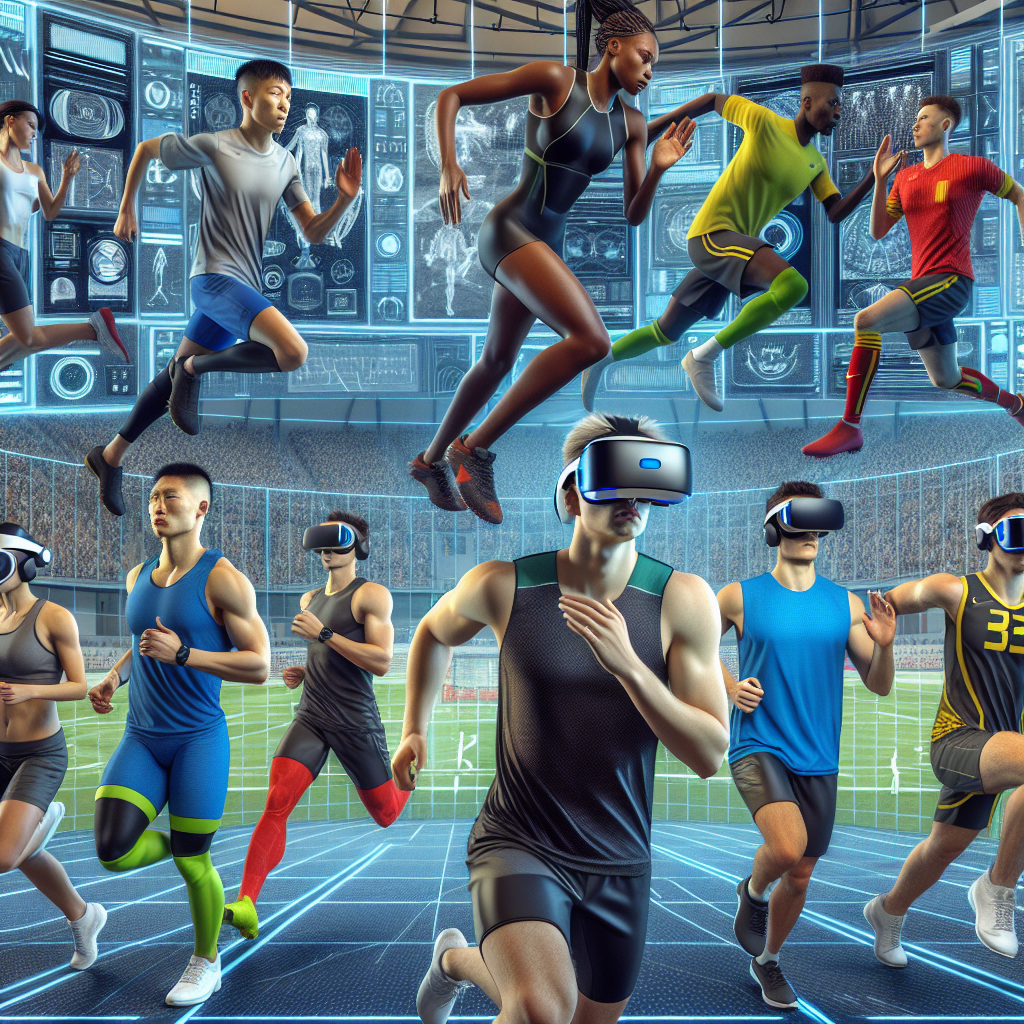
Virtual reality (VR) has emerged as a groundbreaking technology in various fields, and its impact on athletic training is particularly notable. By simulating real-life scenarios, enhancing performance analysis, and providing immersive environments for athletes, VR is changing how training is approached and executed in sports. This article will explore the innovative ways in which virtual reality is revolutionizing athletic training as we move further into 2025.
Transforming Skill Acquisition in Athletic Training
Virtual reality is reshaping how athletes learn and hone their skills by providing immersive environments that replicate real-game scenarios. Traditionally, athletes would rely on repetition and drills to master specific techniques. However, with VR, they can practice in complex and varied conditions without the need for physical setups. For instance, a soccer player can enter a virtual pitch and engage in drills that mimic on-field situations, complete with dynamic defenders and changing weather conditions. This not only enhances skill acquisition but also enables athletes to develop decision-making abilities under pressure.
Furthermore, the customization that VR technology offers is another cornerstone of its impact. Coaches can tailor virtual scenarios to focus on specific aspects of a sport. For example, basketball players can work on their shooting under fatigue or practice plays against virtual opponents who react in real-time. Such personalized training sessions enhance muscle memory and replicate the unpredictability of actual game situations, bridging the gap between practice and performance. As a result, athletes can spend more time refining their technical abilities in ways that traditional training methods often cannot replicate.
Enhancing Mental Preparedness with Virtual Reality
Another critical facet of athletic training being transformed by virtual reality is mental preparedness. The psychological aspect of sports often determines the success of an athlete, and VR provides unique solutions to enhance focus, confidence, and mental resilience. Through immersive scenarios, athletes can mentally rehearse game situations, learn to manage pressure, and visualize their performance, which has been proven to improve outcomes during actual competitions.
Additionally, VR can simulate high-stress situations, allowing athletes to experience and adapt to pressure without any real-world stakes. For example, a quarterback can practice throwing during a high-stakes game scenario where everything seems chaotic, thus preparing them for the real thing when it matters most. This mental conditioning can significantly impact performance, making it a crucial component of modern training regimens that incorporate VR technology. By fostering a strong mental game, athletes can enhance their overall performance on the field.
Data-Driven Performance Analysis through VR Technology
As we advance into 2025, the integration of data analytics with virtual reality is providing athletes and coaches with insights that were once unimaginable. VR simulations collect vast amounts of data on movement patterns, reaction times, and decision-making processes, providing a comprehensive analysis of athletic performance. Coaches can then utilize this information to pinpoint weaknesses and areas for improvement, guiding their training strategies more effectively.
Moreover, VR technology allows for real-time feedback during training sessions. Athletes can engage in drills while simultaneously receiving data on their performance metrics, enabling immediate adjustments. For instance, a gymnast can evaluate their movements against the ideal performance, noticing discrepancies in their form that they might not have felt during the routine. This feedback loop accelerates the learning process and enhances skill refinement, making training outcomes more effective and precise.
The data collected also aids in injury prevention and rehabilitation. By using VR simulations, sports professionals can analyze the biomechanics of athletes to identify potential injury risks. With this proactive approach, training can be adjusted to place less strain on vulnerable areas, thereby minimizing the likelihood of injuries occurring. Recovery programs can also be adapted with VR, guiding athletes through rehabilitation with exercises that consider the individual’s progress in real-time.
Engagement and Team Cohesion through VR Training Programs
The social dynamics of athletic teams are improving thanks to the incorporation of virtual reality in training programs. Teams can engage in collaborative VR sessions that foster stronger relationships and camaraderie among team members. By navigating virtual environments together, athletes can build trust and communication skills that enhance their performance in actual games.
These VR programs also include scenarios that emphasize teamwork, strategy, and competition. For example, a football team can practice their offensive strategies in a simulated game environment, where they can visualize plays and understand their roles more comprehensively. The collaborative aspect of virtual training can break down barriers between individual skillsets and highlight the importance of team synergy, promoting a unified approach to achieving performance goals.
Additionally, the accessibility of VR in athletic training allows athletes to participate in team exercises without the logistical challenges of gathering in physical locations. This flexibility ensures that athletes remain engaged in training and connected with their teammates, which is particularly beneficial during times when in-person training may be compromised.
The Future of Athletic Training: Innovations on the Horizon
Looking forward, the future of athletic training with virtual reality holds immense potential for innovation. Advances in haptic feedback technology are expected to further enhance the realism of VR training. Athletes may soon be able to “feel” the impact of interactions within the virtual environment, simulating the physicality of contact sports more accurately. This enhancement will provide athletes with an unprecedented sense of realism, allowing them to train more effectively and prepare for the demands of their respective sports.
Moreover, as VR technology becomes more widespread, the cost of high-quality VR systems is expected to decrease, making it accessible for all levels of athletes, from amateur to professional. This democratization of technology means that more athletes will benefit from the advantages of virtual reality training, leading to a general uplift in athletic performance across various sports. As more data and success stories emerge, the acceptance and integration of VR in training programs will likely continue to grow.
In addition, integration with other emerging technologies, such as artificial intelligence (AI) and machine learning, will create personalized training regimens that adapt in real-time to the athlete’s needs. Predictive analytics could suggest training modifications based on performance history and injury risk, providing customized development paths for every athlete. Consequently, we may witness a more scientific approach to athletic training fused with instinct and experience, marking a new era in sports development.
Conclusion
In summary, virtual reality is undeniably changing athletic training by transforming skill acquisition, enhancing mental preparedness, providing data-driven performance analysis, fostering engagement and team cohesion, and paving the way for future innovations. As we navigate through 2025, the continued integration of VR technology promises to revolutionize the training experiences of athletes across all sports, providing them with the tools needed to excel. Embracing these advancements will not only benefit individual performance but also contribute to the evolution of athletic training as a whole.
FAQs
What are the benefits of using virtual reality in athletic training?
Virtual reality in athletic training offers numerous benefits, including immersive skill practice, enhanced mental preparedness, real-time performance analysis, and improved team dynamics, fostering a more comprehensive training environment.
How does virtual reality help with injury prevention in athletes?
VR technology allows for the analysis of biomechanics, identifying potential injury risks during training. By using simulated environments, athletes can modify their training to address these risks, minimizing the likelihood of injuries occurring.
What role does mental conditioning play in athletic performance with VR?
Mental conditioning is crucial in sports, and VR provides simulated high-stress scenarios that allow athletes to practice focus, confidence, and decision-making under pressure, improving their overall performance during competitions.