The Role of Voter Participation in Democratic Systems

Introduction
Voter participation is the backbone of democratic systems, fundamentally shaping the political landscape and ensuring that governance reflects the will of the people. As of 2025, the importance of active voter engagement remains more relevant than ever, especially in an era marked by political polarization and rapid societal change. Scholars and practitioners alike recognize that high voter turnout not only legitimizes elected officials but also promotes accountability and responsiveness within government systems. This article explores the multifaceted role of voter participation in democratic frameworks, examining its impact, challenges, and significance in shaping effective governance.
Understanding Voter Participation in Democratic Systems
Voter participation encompasses the processes and behaviors through which citizens engage in electoral activities, primarily through casting their votes during elections. This engagement acts as a primary mechanism through which citizens influence policy and decision-making. Within the context of democratic systems, it is vital to understand that voter participation does not only refer to the act of voting; it also involves awareness of political issues, involvement in civic discussions, and participation in community initiatives aimed at fostering political engagement.
The degree of voter participation is often viewed as a barometer for the health of democracy. High levels of turnout typically indicate a responsive political climate where citizens feel their voices are heard and valued. Conversely, low voter turnout can signal disenchantment with political processes, disenfranchisement, or the perception that individual votes carry little weight. Therefore, understanding the nuances of voter participation is essential for assessing the efficacy and vibrancy of a democratic system.
The Impact of Voter Participation on Policy and Governance
Voter participation directly influences the development and implementation of public policies. When citizens engage actively in elections, they help ensure that the representatives who are elected reflect their values, priorities, and concerns. This alignment between elected officials and their constituents leads to policies that address the specific needs of the populace. Research has shown that high voter turnout can result in more progressive policies, as representatives are more inclined to listen to the voices of an engaged electorate.
Moreover, a high level of voter participation acts as a form of accountability for elected officials. When leaders know their positions depend on the electorate’s approval, they are more likely to consider the interests and opinions of their constituents. This accountability fosters a more transparent governance structure and encourages civic participation beyond just election time, such as public meetings and community forums where citizens can express their needs and concerns.
Challenges to Voter Participation in Modern Democracies
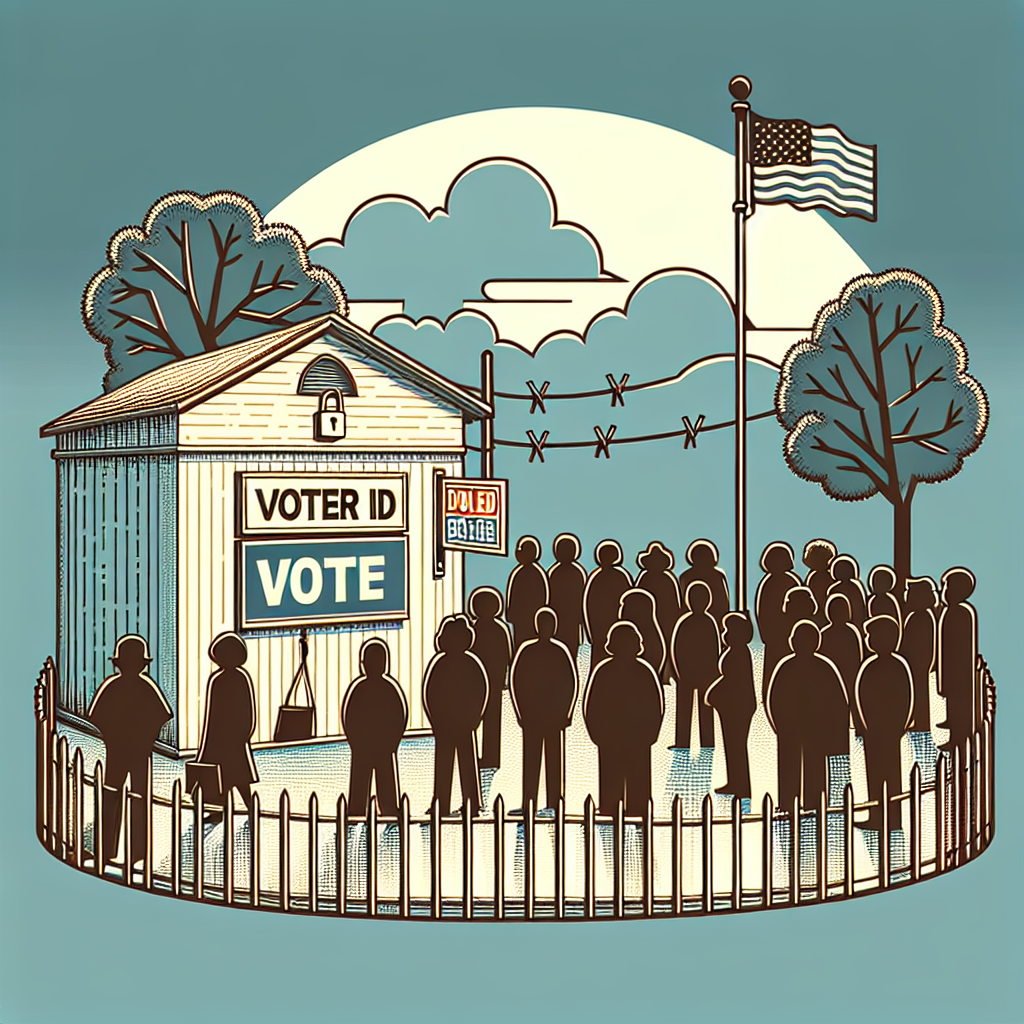
Despite its crucial role in shaping democratic governance, voter participation faces numerous challenges. Some of the primary barriers include systemic issues such as voter suppression, gerrymandering, and complex registration processes. Laws and regulations that disproportionately affect marginalized groups can deter these citizens from participating, leading to significant disparities in voter turnout among different demographic populations. For example, studies show that people of color, low-income individuals, and young voters often experience additional obstacles when attempting to vote, exacerbating existing inequalities within the political system.
In addition to systemic barriers, societal factors such as political apathy and disillusionment can significantly impact voter turnout. Many individuals feel disconnected from the political process, believing that their participation will not effect meaningful change. The rise of social media and sensationalist news can contribute to a climate of confusion and mistrust, further disengaging the electorate. As a result, fostering an environment that encourages politically informed and active citizens is imperative for bolstering voter participation in democratic systems.
Strategies to Enhance Voter Participation
To address the challenges of low voter participation, various strategies can be employed to enhance democratic engagement. One effective approach is implementing comprehensive voter education programs aimed at informing citizens about the electoral process, the importance of their vote, and key issues affecting their communities. Such programs can utilize various platforms, including social media, community workshops, and local events, to reach a broader audience and encourage informed participation.
Additionally, simplifying voter registration processes can significantly enhance participation rates. Initiatives such as automatic voter registration, same-day registration, and making registration available online can help remove barriers that discourage people from voting. Furthermore, promoting early voting and mail-in voting options can increase accessibility, allowing individuals with varying schedules and commitments to participate without the pressure of long lines on Election Day.
Finally, building strong community networks that encourage civic engagement can amplify the voices of underrepresented groups. Grassroots movements, local non-profits, and advocacy organizations can work together to mobilize voters, providing resources and support to ensure that all eligible citizens have the opportunity to vote. This collaborative effort can lead to higher turnout rates and a more representative democratic system.
The Role of Technology in Enhancing Voter Participation
Technology plays a pivotal role in shaping voter participation in contemporary democratic systems. In 2025, advancements in technology have made it easier than ever for citizens to engage with the electoral process. Political campaigns increasingly rely on digital platforms to reach and motivate voters, using data analytics and targeted messaging to engage specific demographics. Social media campaigns, mobile apps, and online forums provide innovative ways to discuss political issues and mobilize support.
Moreover, technology can enhance the accessibility of the voting process itself. Innovations such as electronic voting systems and online voter registration are streamlining how citizens participate. These technologies not only facilitate easier voting but also allow for a more efficient tabulation of results, which can help to build trust in the electoral process. However, as technology continues to evolve, it is essential to ensure that these advancements do not exacerbate existing inequities or introduce new challenges, such as cybersecurity concerns or digital literacy gaps.
Despite the efficiencies that technology can offer, it is crucial for democratic systems to approach its integration thoughtfully. Stakeholders must prioritize secure, equitable access to technology so that all citizens can benefit from these advancements. Ensuring reliable voter privacy and election security must remain paramount to sustain public trust in the electoral process.
Voter Participation and Social Movements
Voter participation is often intertwined with social movements that seek to address broader societal inequities and injustices. Historical movements, such as the Civil Rights Movement and women’s suffrage, illustrate the profound role that organized activism plays in mobilizing voters and challenging systemic barriers. Today, many contemporary social movements emphasize the importance of voting as a tool for change, encouraging citizens to engage with the political process to address pressing issues such as climate change, racial justice, and income inequality.
These movements utilize various strategies to stimulate voter participation, including awareness campaigns, protests, and leveraging popular culture to inspire activism among younger generations. By framing voting as an essential part of activism and societal change, these movements aim to motivate individuals who may have previously felt apathetic or disengaged from the political process.
Furthermore, collaborative efforts between established organizations and grassroots movements can strengthen voter participation initiatives. Partnerships that bridge the gap between traditional civic organizations and emerging social movements can lead to innovative approaches, amplifying the voices of historically marginalized groups while creating robust coalitions capable of driving significant electoral outcomes.
Conclusion
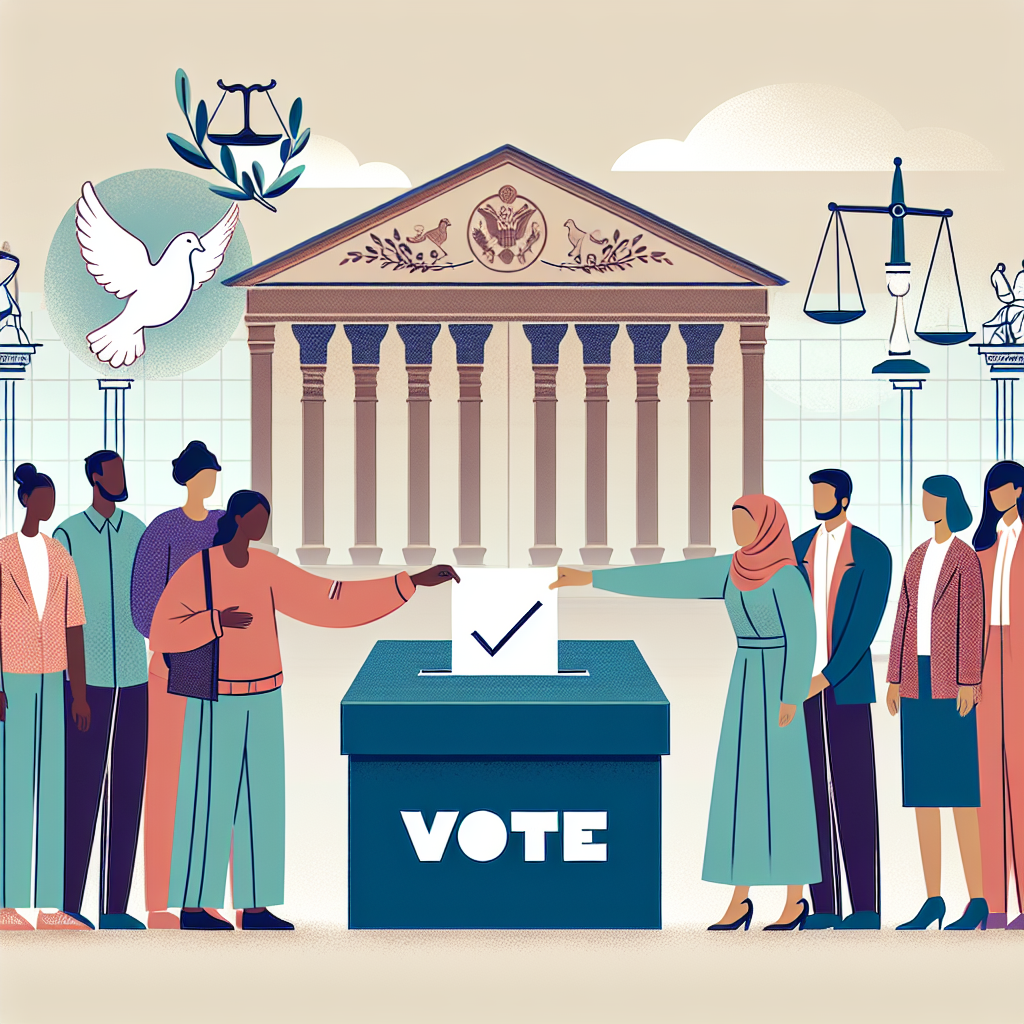
Voter participation is a fundamental aspect of democratic systems, playing an essential role in shaping policies, enhancing accountability, and fostering a responsive governance structure. As we navigate the complexities of the political landscape in 2025, recognizing and addressing the challenges that hinder participation is more critical than ever. Through comprehensive education, accessible registration processes, and the integration of technology, we can empower citizens to engage fully in their democratic rights.
In a world increasingly influenced by social movements and digital platforms, voter participation remains pivotal as a tool for driving social change. By working collectively to strengthen the democratic process, we can ensure that all voices are heard, and the principles of democracy are upheld for generations to come.
FAQs
What factors affect voter participation in elections?
Voter participation can be affected by various factors, including socioeconomic status, education, access to voting resources, voter suppression tactics, political apathy, and social or cultural influences that shape perceptions about the electoral process.
Why is voter participation important for democracy?
Voter participation is crucial for democracy as it legitimizes authority, fosters accountability, ensures diverse representation, and encourages elected officials to address the needs and concerns of the citizenry effectively.
How can communities increase voter participation?
Communities can increase voter participation through educational initiatives, simplifying registration processes, promoting early and mail-in voting, and leveraging technology and social movements to engage and mobilize citizens.
What is the role of technology in voter turnout?
Technology can improve voter turnout by providing accessible registration options, facilitating easier voting through electronic systems, and enhancing campaign strategies that engage citizens through various digital platforms.
How have social movements impacted voter participation?
Social movements have historically played a significant role in enhancing voter participation by raising awareness about civic rights, mobilizing communities, and advocating for policies that enable equitable access to the voting process.