Intersectionality in Activism: Bridging Diverse Causes for Greater Change

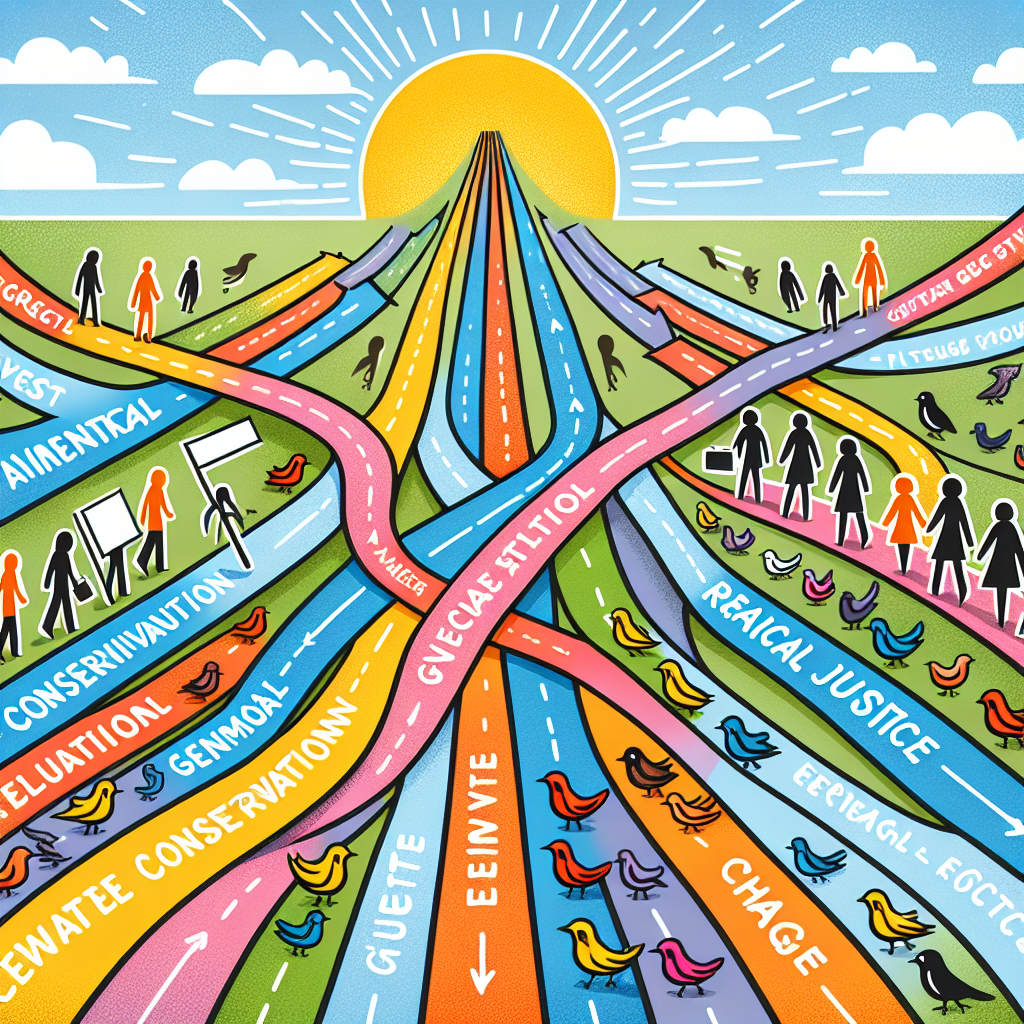
Intersectionality in Activism: Bridging Diverse Causes for Greater Change
In an increasingly interconnected world, the concept of intersectionality in activism serves as a beacon of hope for deeper societal change. Intersectionality recognizes that people experience overlapping systems of discrimination and privilege, reinforcing the idea that no single identity governs one’s experiences. This framework not only highlights the importance of understanding diverse social identities—including race, gender, sexuality, and socioeconomic status—but also encourages collaborative efforts among multiple social movements. In 2025, as activists worldwide strive for justice, equity, and inclusion, examining the intersections of these causes becomes crucial for fostering impactful societal change.
Understanding Intersectionality in Activism
Intersectionality, a term coined by Kimberlé Crenshaw in the late 1980s, is essential to comprehending the complex realities individuals face in society. At its core, it posits that identities are not singular; rather, they exist within a web of interconnected social markers that influence a person’s experience and opportunities. For example, a Black woman may encounter unique challenges that are distinct from those faced by either Black men or white women, highlighting the necessity of understanding these overlapping identities. In the world of activism, embracing intersectionality ensures that the voices of marginalized groups are not only heard but provided with the platforms they deserve.
As we witness a rise in activism driven by pressing social issues such as climate change and racial justice, the importance of intersectionality becomes even more evident. Activists are increasingly aware that to create genuine and lasting change, they must tackle these issues from multiple angles. This means forming coalitions across various movements—transgender rights, anti-racism, and environmental justice—to uplift each other’s struggles and recognize how these issues intersect. Such collaboration is essential for building a more nuanced understanding of societal problems, ultimately leading to greater and more inclusive solutions.
Collaboration is Key to Greater Change
In 2025, the landscape of activism reflects a growing trend of collaboration among diverse movements, driven by a shared commitment to intersectionality. Organizations that traditionally operated in silos are beginning to unite forces in meaningful ways. This is particularly evident in large-scale protests and social movements, where activists from various backgrounds come together to address intersecting issues like economic inequality, healthcare access, and systemic racism. By collaborating, these groups magnify their voices and create a more extensive and inclusive dialogue, raising awareness of how these challenges are intertwined.
An example of this collaboration can be seen in the integration of climate activism and social justice movements. Activists have increasingly recognized that environmental degradation disproportionately affects marginalized communities. Hence, bridging these movements—while advocating for equitable solutions to climate change that also address racial and economic disparities—has proven to be effective in creating holistic approaches to activism. This interconnectedness allows for crafting policies that ensure environmental protections do not come at the cost of human rights, demonstrating how collaborative activism can yield comprehensive solutions.
The Role of Technology in Amplifying Intersectionality
In today’s digital age, technology plays a pivotal role in promoting intersectionality in activism. Social media platforms have become invaluable tools for raising awareness about diverse causes and facilitating discussions about the experiences of marginalized groups. As more individuals engage with these platforms, activists can share their stories, highlighting the nuances of how race, gender, and class intersect to shape lived realities. This heightened visibility not only challenges dominant narratives but also fosters a sense of solidarity among different social movements.
Moreover, technology has democratized activism by providing tools for grassroots organizing. With applications that allow for real-time communication, organizations can swiftly mobilize supporters from various backgrounds, regardless of geographic barriers. In 2025, innovative platforms allow for coalition building and resource sharing, further empowering marginalized communities. By leveraging technology, activists can amplify their intersectional approaches, creating more significant social change and promoting unity across diverse movements.
Education and Awareness: A Foundation for Change
Building awareness and educating communities about intersectionality is a crucial step towards fostering an inclusive activist environment. Educational initiatives, both formal and informal, help individuals grasp how different social identities intersect and how these intersections manifest in systemic oppression. By integrating discussions of intersectionality into curricula—ranging from primary education to higher learning institutions—educators can cultivate an informed citizenry equipped to advocate for comprehensive social justice.
In addition to traditional education, various workshops and community-led initiatives are crucial for increasing awareness about intersectionality. These programs can engage diverse audiences, from students to policymakers, promoting an understanding of how intersecting identities impact experiences. When individuals grasp these concepts, they are better positioned to contribute effectively to advocacy efforts, engage in meaningful discussions, and challenge inequities based on their altered perspectives.
Challenges and the Way Forward in Intersectional Activism
While the intersectionality framework presents numerous opportunities for coalition-building in activism, it also brings challenges. One of the significant hurdles activists face is the tendency for movements to prioritize specific issues over others, sometimes overlooking critical intersecting identities in the process. This selective focus can result in alienation among supporters and undermine efforts to achieve unified advocacy goals. Activists must strive to remain vigilant about this dynamic, ensuring that all voices are recognized and valued in the pursuit of justice.
Moreover, the saturation of social media can sometimes dilute messages, leading to performative activism rather than genuine commitment to intersectional principles. In 2025, it is more important than ever for activists to differentiate between mere online engagement and actionable strategies that prioritize deep change. Organizations and individuals should focus on accountability, emphasizing the importance of listening to those directly affected by systemic injustices and striving for authentic support rather than superficial gestures.
Despite these challenges, the future of intersectional activism holds considerable promise. As awareness and understanding of intersectionality continue to evolve, more activists are likely to embrace these frameworks, leading to more profound collaborations and transformative societal change. Groups united under intersectional principles can forge alliances across movements, combining their strengths to tackle systemic inequities holistically. The potential for greater change lies in the collective efforts of diverse causes working together to dismantle oppression and create a more just world.
Conclusion
Intersectionality in activism is not just an academic concept but a necessary approach to societal change. It emphasizes the interconnectedness of various social issues, fostering collaboration among movements to achieve greater equity. By recognizing that identities overlap, activists can build stronger coalitions and challenge deeply-rooted systems of oppression more effectively. As we navigate the complexities of social justice in 2025 and beyond, the necessity of an intersectional framework becomes ever more apparent. By prioritizing collaboration, embracing technology, and investing in education, we can ensure that our activism reflects the multifaceted experiences of all individuals, ultimately leading to a more inclusive and equitable society.
FAQs
What is intersectionality in activism?
Intersectionality in activism refers to the framework that recognizes how different social identities—such as race, gender, sexuality, and class—intersect to create unique experiences of oppression and privilege. It highlights the importance of addressing multiple issues simultaneously to promote inclusive social change.
How can intersectionality improve activism?
By embracing intersectionality, activism can become more inclusive and effective. It encourages collaboration between movements, ensuring that all voices are heard and considered. This comprehensive approach enables activists to address systemic issues in a more holistic manner, leading to meaningful change.
What are some examples of intersectionality in action?
Examples of intersectionality in action include movements that combine environmental justice with racial and economic equity. For instance, advocating for sustainable policies that also address the needs of marginalized communities highlights the interconnectedness of these issues, fostering more comprehensive solutions. Additionally, initiatives like inclusive sexual and reproductive health campaigns acknowledge the varying experiences of individuals based on their intersecting identities, ensuring equal access to healthcare resources.
How does technology impact intersectional activism?
Technology amplifies intersectional activism by providing platforms for marginalized voices and facilitating grassroots organizing. Social media enables swift information sharing, raising awareness, and fostering collaboration among diverse movements. In 2025, the use of digital tools has become integral to engaging a broader audience and creating a unified front in the fight for justice.
What challenges do intersectional activists face?
Intersectional activists may encounter challenges such as prioritization of certain issues over others, leading to the marginalization of particular voices. Additionally, the rise of performative activism on social media can dilute meaningful engagement, making it essential for activists to maintain focus on actionable strategies that prioritize genuine involvement and accountability.