Is Bipartisanship Dead? A Look at Contemporary Governance
Is Bipartisanship Dead? A Look at Contemporary Governance
In today’s rapidly evolving political landscape, the question of whether bipartisanship is dead looms large in the minds of citizens and lawmakers alike. As we step into 2025, the divisions within American governance appear deeper than ever, leading many to ponder the feasibility of cooperation between political parties. This article provides an in-depth exploration of contemporary governance, dissecting the factors that contribute to polarization and examining the prospects for a bipartisan future.
Understanding Bipartisanship in Modern Politics
Bipartisanship refers to the collaboration and cooperation between opposing political parties to achieve common goals, policies, or legislation. Historically, bipartisan efforts have played a crucial role in the development of critical legislation, fostering a culture of compromise and dialogue. However, as we enter 2025, there are compelling arguments that suggest bipartisanship is not only challenged but potentially a relic of the past. The growing ideological divide has not only influenced legislative outcomes but has also shaped the very fabric of American political discourse.
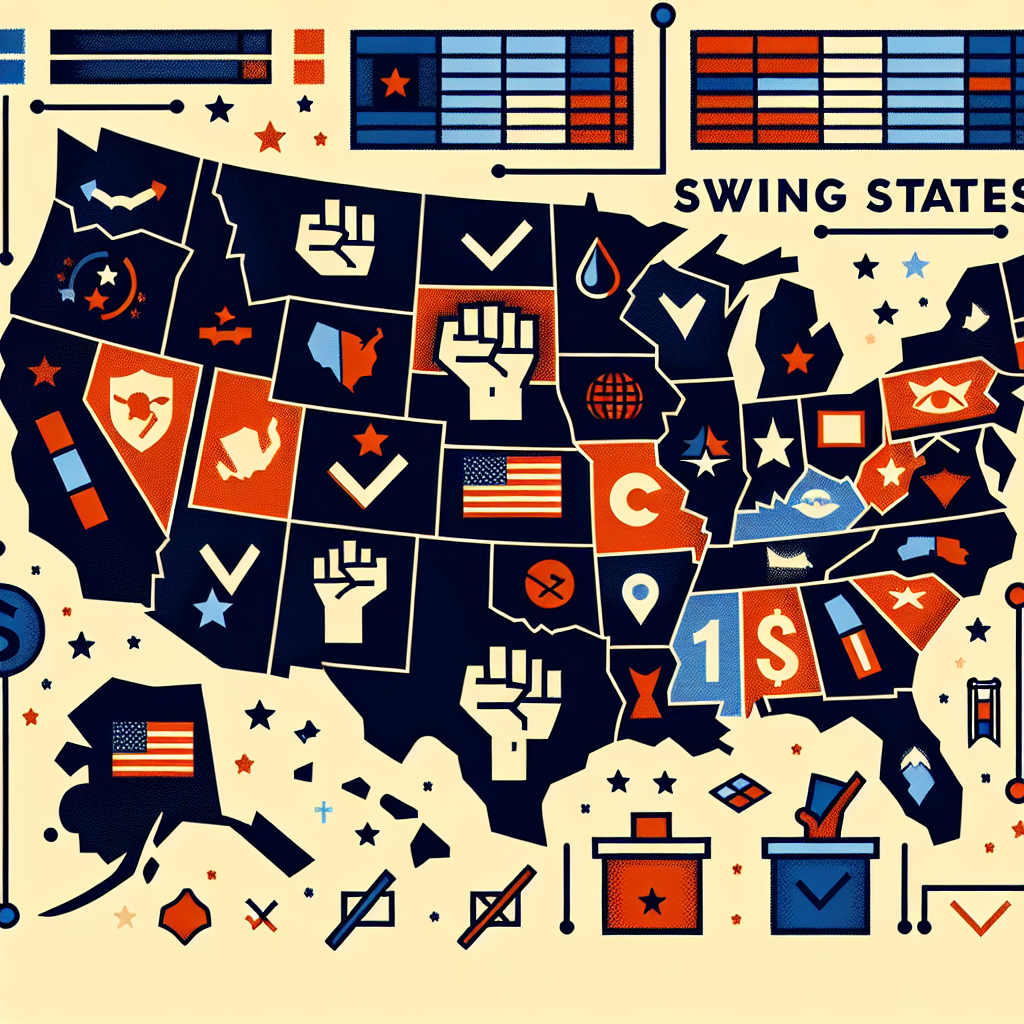
In recent years, the ideological polarization between the Democratic and Republican parties has intensified. Figures such as social media influence, gerrymandering, and primary elections favoring extreme candidates have further entrenched these divisions. As a result, lawmakers may feel pressured to adhere strictly to party lines, often at the expense of bipartisan dialogue. This environment raises significant questions about whether the principles of compromise and collaboration can hold sway in a landscape dominated by political tribalism.
The Impact of Media on Bipartisanship
The role of media in shaping public opinion and political discourse cannot be underestimated. Today’s media landscape, characterized by 24-hour news cycles and the rise of social media platforms, has contributed to the radicalization of political viewpoints. This phenomenon becomes particularly evident as partisan media outlets promote narratives that reinforce existing biases, often vilifying the opposition rather than encouraging thoughtful debate. As citizens consume information increasingly filtered through ideological lenses, it becomes more challenging to foster a culture of bipartisanship.
Moreover, social media algorithms create echo chambers that amplify partisan rhetoric, leading to more polarized perspectives among constituents. This creates an environment where politicians may cater to the extremes of their bases, as the fear of being “primaried” by more radical contenders looms large. Consequently, initiatives aimed at creating bipartisan agreements often face significant hurdles, as lawmakers gear their messaging and strategies toward appeasing their party’s most fervent supporters rather than pursuing collaborative solutions.
Historical Context and Changing Dynamics of Governance
To understand the current climate surrounding bipartisanship, it is crucial to contextualize it within the historical evolution of governance in the United States. The post-World War II era, characterized by an economic boom and a sense of national unity, saw numerous bipartisan achievements, such as the establishment of Social Security and the Civil Rights Act. During these times, lawmakers from opposing parties found common ground, raising the bar for substantial legislative accomplishments that benefited a wide array of citizens.
Fast forward to the early 2000s; with the advent of 9/11, the subsequent wars, and the economic crises, party lines began to harden as each party jockeyed for political advantage. The rise of the Tea Party in the Republican Party and the election of Barack Obama as the nation’s first Black president resulted in a backlash that further polarized the electorate. This persistent trend has only escalated with the election of Donald Trump and the subsequent political upheaval, where identity politics and partisan loyalty have taken precedence over traditional bipartisan approaches.
Additionally, as we examine the role of institutional frameworks, it becomes evident that the mechanisms that once facilitated collaboration—like Senate filibusters, committee structures, and even the Electoral College—are often seen as tools for obstruction rather than cooperation today. These changes reflect a governance landscape where legislative champions of bipartisanship struggle to navigate an increasingly hostile environment, leaving many citizens feeling disenfranchised and disengaged.
Challenges and Opportunities for Bipartisanship in 2025
As we venture into 2025, the opportunities for bipartisanship exist but are fraught with challenges. Major issues, such as climate change, health care, and economic inequality, demand collaborative approaches that transcend party lines. Lawmakers who recognize these challenges may seek innovative solutions that encompass a wider array of perspectives. However, the potential for collaboration is often hampered by entrenched party loyalty and primary challenges that discourage cooperation.
One promising avenue for fostering bipartisanship is through grassroots movements advocating for political reform, such as ranked-choice voting and open primaries. By altering the structural incentives that drive candidates towards extremes, these reforms have the potential to create a political landscape where bipartisanship is not only possible but necessary for success. Furthermore, re-engaging with constituents and promoting a more informed public can help create a culture that values cooperation over conflict.
However, building a sustainable bipartisan framework requires overcoming the cynicism that characterizes much of the current political environment. Initiatives that highlight success stories of bipartisan collaboration, such as the recent infrastructure bill supported by both parties, can serve as a foundation for reigniting interest in collaborative governance. Lawmakers may need to prioritize long-term goals over short-term gains, forging relationships built on mutual respect and common interests.
Public Perception and the Future of Governance
Public perception plays a critical role in shaping the future of bipartisanship and governance. As citizens grow disillusioned with politics, they increasingly demand accountability and transparency from their elected officials. This shift in expectations can serve as a catalyst for bipartisan efforts, as lawmakers recognize the need to address the concerns of a skeptical electorate. By prioritizing transparency and collaboration, elected officials may be able to rebuild trust and demonstrate the value of working across the aisle.
Moreover, the role of civic engagement cannot be understated. Efforts to increase voter participation and enhance the political education of citizens can empower constituents to advocate for a more cooperative approach to governance. Citizens who are actively informed can hold lawmakers accountable and push for policies that reflect a broader spectrum of interests rather than solely partisan agendas.
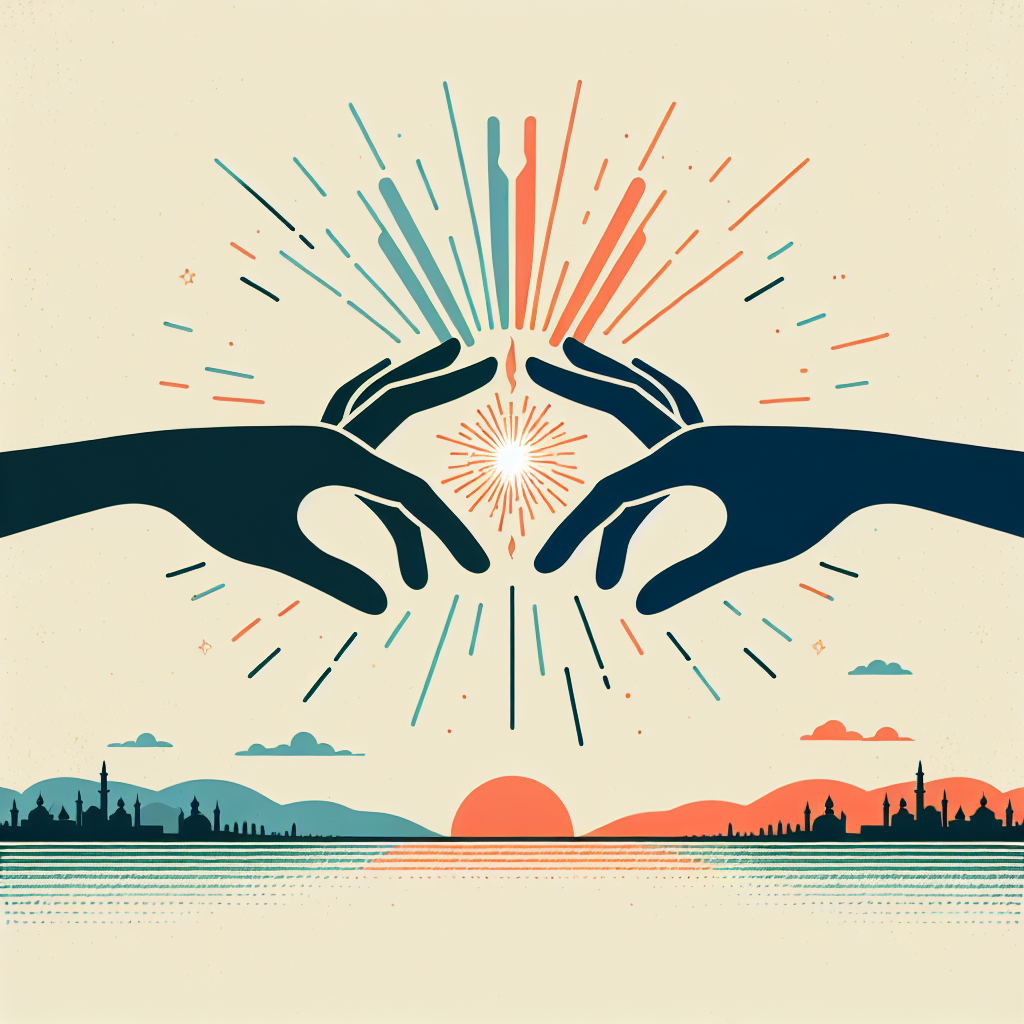
As we look ahead, the future of bipartisanship will hinge on the willingness of both politicians and the public to engage in productive dialogue. The potential for transformation exists in creating environments conducive to negotiation and trust-building, where compromise is viewed as a strength rather than a failure. The ongoing challenge is fostering an atmosphere where both parties feel empowered to solicit input, share ideas, and collaboratively address the pressing issues facing society in 2025.
Conclusion
In this exploration of whether bipartisanship is dead, we navigate the turbulent seas of contemporary governance, where ideological divides, media influence, historical context, and public perception all play pivotal roles. While significant obstacles remain, the essence of bipartisanship—cooperation for the common good—continues to hold value. As 2025 unfolds, the future of governance rests on a delicate balance between party loyalty and collaborative efforts. By advocating for structural reforms, promoting civic engagement, and embracing dialogues that transcend political barriers, we can work towards revitalizing the principles of bipartisanship and creating a more inclusive political landscape.
FAQs
1. What are the main causes of the decline in bipartisanship?
The main causes include the rise of ideological polarization, changes in political campaigning, the impact of partisan media, and the motivations of lawmakers driven by the fear of primary challenges.
2. Can bipartisanship still be achieved in contemporary governance?
Yes, while challenging, bipartisanship can still be pursued through grassroots movements, political reforms, and a commitment to transparency and accountability from both lawmakers and constituents.
3. What role does social media play in bipartisan efforts?
Social media influences public discourse, often creating echo chambers that reinforce partisan views and making it more difficult for lawmakers to engage in bipartisan dialogue.