Introduction
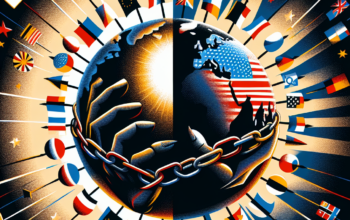
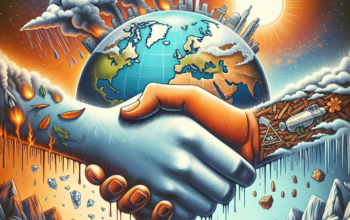
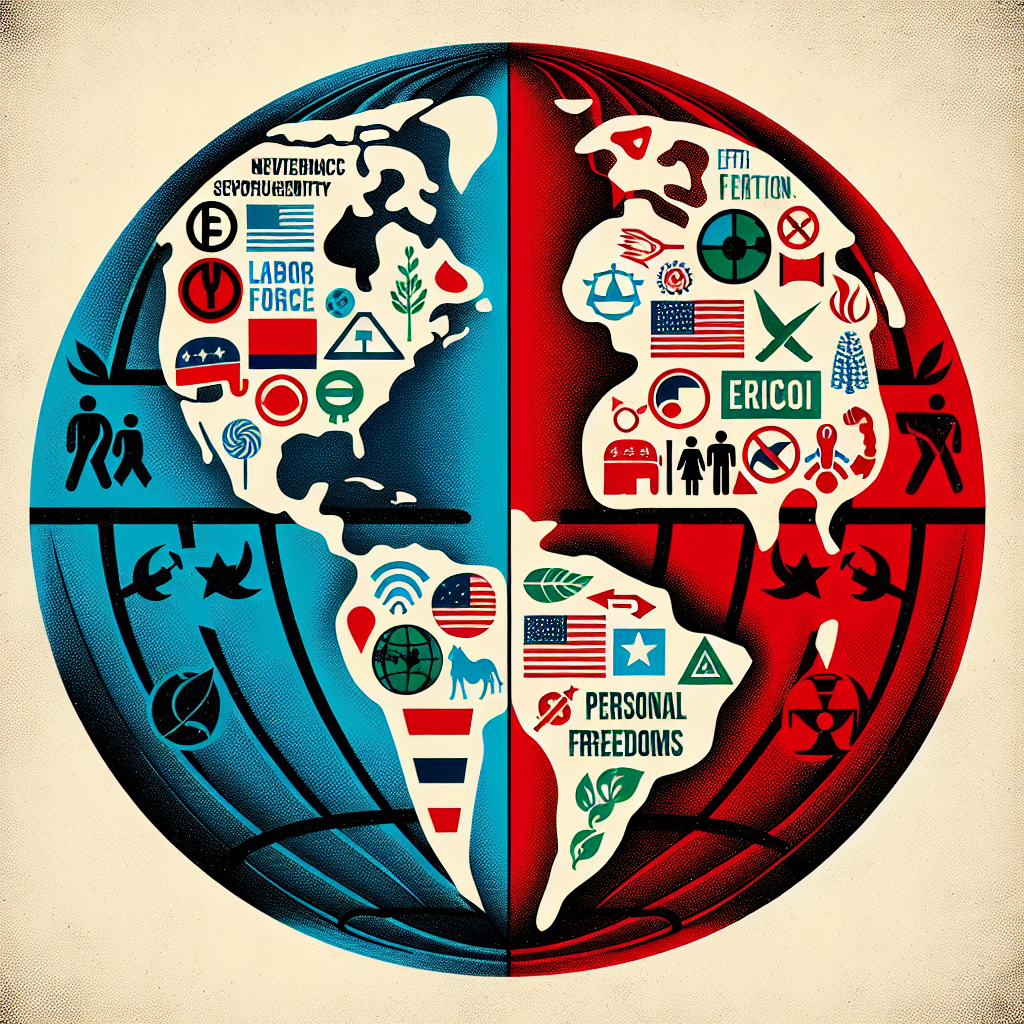
Left-wing vs. right-wing politics is a topic that has been discussed for centuries, yet its relevance continues to shape global governance and social dynamics in 2025. Understanding the nuances of these political ideologies is crucial for anyone wanting to engage in informed discussions about current events, policy decisions, and sociocultural dynamics worldwide. In this comprehensive article, we will explore the defining characteristics, historical contexts, and global implications of left-wing and right-wing politics, ultimately providing a well-rounded perspective that enriches your understanding of these ideologies.
Understanding Left-Wing Politics Globally
Left-wing politics are generally characterized by a focus on social equality, anti-capitalism, and the belief in government intervention to promote welfare and social justice. In various regions around the globe, left-wing ideologies have manifested in different forms, such as socialism and progressivism. Countries like Sweden and Norway offer successful case studies where social democratic policies have been implemented, focusing on wealth redistribution through high taxation and extensive social programs. This framework has led not only to reduced income inequality but also a higher quality of life for their citizens.
In 2025, the resurgence of left-wing ideologies can be seen in several countries, particularly in Latin America, where leaders like Gabriel Boric in Chile have embraced progressive platforms to address poverty, inequality, and environmental issues. Here, the intersection of social and environmental justice has driven grassroots movements demanding comprehensive reforms, thus redefining traditional leftist policies. Furthermore, the global response to climate change has made left-wing ideals more appealing, as they often emphasize sustainability and collective responsibility in addressing pressing global challenges.
The Core Values of Right-Wing Politics
Right-wing politics typically align with conservative values that prioritize individual liberties, limited government intervention in the economy, and traditional cultural norms. The ideological spectrum includes classical liberalism, libertarianism, and conservative nationalism. In countries like the United States and Brazil, right-wing politics often center around free-market capitalism, which proponents argue leads to greater economic freedom and innovation. For instance, policies implemented under conservative leadership have frequently emphasized tax cuts and deregulation, aiming to stimulate economic growth by reducing government oversight.
As of 2025, right-wing populism has gained significant traction globally, as seen in various regions experiencing economic uncertainties and cultural shifts. Politicians who champion nationalistic policies often draw on the discontent of working-class individuals, promising to protect jobs and culture from globalization and immigration, which they argue threaten national identity. This rise in populist rhetoric has dramatically influenced electoral outcomes and policy-making, shaping a narrative around nationalism that resonates with many citizens seeking stability and a return to perceived traditional values.
Historical Context: The Evolution of Political Ideologies
To fully grasp the complexities of left-wing vs. right-wing politics, it is essential to consider their historical evolution. The terms “left” and “right” originally emerged from the seating arrangement of the French National Assembly during the French Revolution in the late 18th century. The left advocated for equality and social reform, while the right supported tradition and hierarchy. This dichotomy would inform political landscapes in Europe and across the globe for centuries.
Throughout the 20th century, left-wing movements gained momentum, especially during the post-World War II era when many nations adopted welfare-state policies to address inequalities exposed by the war. In contrast, the right-wing’s response included a focus on neoliberalism, which gained strong momentum in the 1980s, especially under leaders like Ronald Reagan and Margaret Thatcher. This era emphasized privatization and deregulation, shaping modern capitalist societies. By 2025, these historical trajectories continue to influence contemporary policies, as societies grapple with the legacies of both ideologies and their impact on current events.
Moreover, the collapse of the Soviet Union in the early 1990s marked a significant turn for left-wing politics, as many associated socialism with totalitarianism. This viewpoint led to a global narrative dominated by free-market capitalism, marginalizing leftist ideologies for decades. However, the fallout from recent financial crises and the rise of social movements have sparked a renewed interest in left-wing alternatives, as citizens seek new solutions to economic and social problems facing their nations.
Global Politics in 2025: Case Studies
As we examine the global political landscape in 2025, several nations exemplify the ongoing dynamic between left-wing and right-wing politics. In Europe, countries like Spain and Portugal have seen left-leaning coalitions gaining prominent positions post-COVID-19, driven by calls for economic recovery that prioritizes social welfare. Meanwhile, in Hungary and Poland, right-wing governments have increasingly asserted authoritarian measures under the guise of nationalism and social conservatism, sparking debates over democracy and human rights in the EU.
In Southeast Asia, the political environment has become an arena for competing ideologies, as nations like Indonesia and Thailand navigate between left-wing populism and right-wing authoritarianism. In this context, the rise of democratic socialism has led to significant policy shifts focusing on wealth redistribution and social welfare, demonstrating a counter-narrative to right-wing populism. This fluctuating dynamic showcases how countries are exploring diverse solutions to maintain stability and prosperity amid globalization’s challenges.
Moreover, the intersection of technology and politics illustrates the evolving nature of left-wing and right-wing platforms. Social media has empowered grassroots movements and political action, allowing left-wing activists to mobilize effectively across borders. Conversely, right-wing groups capitalize on these platforms to spread nationalist ideologies, intertwining technology with traditional political discourse. As we head deeper into 2025, the digital age will continue to complicate the landscape of left-wing vs. right-wing politics, presenting new opportunities and challenges for both.
The Socioeconomic Implications of Each Ideology
The ideological divide between left-wing and right-wing politics extends significantly into socioeconomic realms, affecting employment, healthcare, and education systems. Left-wing policies typically advocate for universal healthcare and comprehensive social safety nets. These systems aim to reduce income disparities and ensure that vital services are accessible to all citizens. For instance, countries with robust leftist policies often report better health outcomes, a trend bolstered by extensive government-funded education and training programs.
On the other hand, proponents of right-wing policies argue that free-market mechanisms produce greater economic efficiency, leading to job creation and innovation. They assert that limiting government intervention enables businesses to thrive, which ultimately benefits society as a whole. Countries endorsing these policies often experience varying degrees of economic growth, yet they may also be prone to increased inequality and reduced access to essential services, stirring debates over the ethical implications of such a system.
As of 2025, the socioeconomic landscape is fraught with challenges that highlight these ideological contrasts. The stark difference in responses to economic crises stemming from the COVID-19 pandemic is a case in point. While left-leaning governments have often favored stimulus packages and safety nets, right-leaning administrations might prioritize tax cuts and deregulation, generating tension between these approaches. Each ideology brings with it the promise of differing outcomes, compelling citizens to grapple with their values when it comes time to engage in electoral processes.
Conclusion
Left-wing vs. right-wing politics remains a relevant discussion that shapes our world in 2025 and beyond. As we navigate an era marked by rapid development and globalization, the ideological battles between these two camps continue to evolve, reflecting changing societal needs and values. From socioeconomic structures to climate policies, the consequences of these ideologies resonate deeply in citizens’ daily lives. Understanding the distinctions and interactions between left-wing and right-wing politics is essential for engaging in informed dialogues on national and global issues, ensuring that diverse perspectives are considered and respected.
Ultimately, both left-wing and right-wing ideologies possess advocates who are committed to improving the human condition, albeit through different methodologies. Knowing how these beliefs manifest around the globe helps form a broad and nuanced understanding of contemporary politics, equipping individuals to engage thoughtfully in the political discourse that defines our lives today.
FAQs
What are the main differences between left-wing and right-wing politics?
Left-wing politics generally emphasize social equality and government intervention in the economy, while right-wing politics prioritize individual liberties, traditional values, and limited government.
What are some examples of left-wing governments in 2025?
Countries like Chile and Spain are examples where left-leaning governments have taken office, focusing on social welfare and addressing socioeconomic inequalities.
What impact does globalization have on left-wing and right-wing politics?
Globalization often fuels debates between left and right political ideologies, as left factions advocate for global solidarity and justice, while right factions may push for nationalism and protectionism to safeguard local interests.
How do left-wing and right-wing ideologies approach climate change?
Left-wing politics tend to prioritize comprehensive government action on climate change through regulations and renewable energy investments, while right-wing politics may focus on free-market solutions and skepticism towards government intervention.
How is political polarization affecting left-wing and right-wing relationships?
Political polarization has intensified in many areas, making bipartisan collaboration challenging. This polarization often results in gridlock, where each side is less willing to compromise and engage in constructive dialogues.