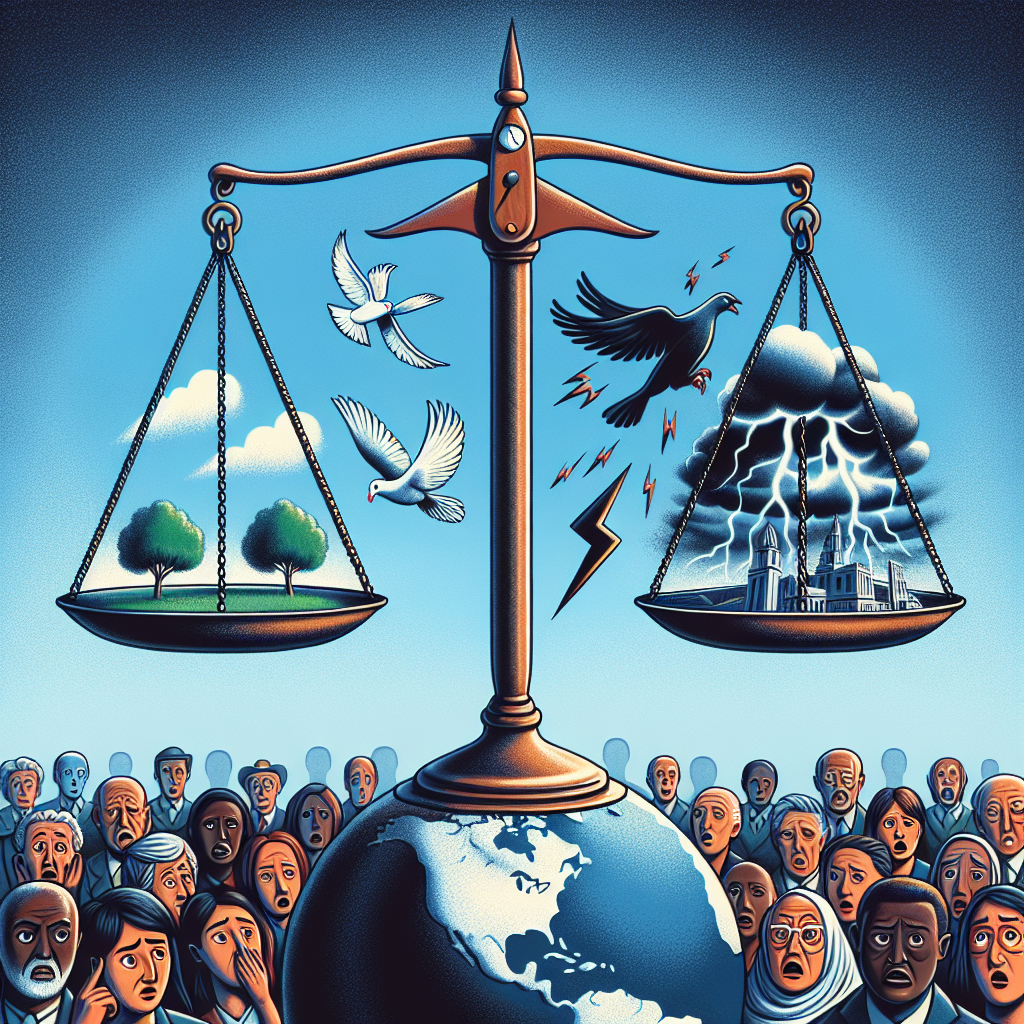
Lessons Learned from Global Political Movements


Introduction
Global political movements have captivated historians, political analysts, and citizens alike for centuries. From the civil rights movement in the United States to the Arab Spring, these movements have reshaped political landscapes and societal norms worldwide. The lessons learned from these political shifts reveal much about human rights, governance, direct action, and the role of technology in advocacy. As we delve into the most significant global political movements, we uncover valuable insights that are not only relevant today but also critical for shaping the future of political engagement in 2025.
Understanding Grassroots Mobilization
Grassroots mobilization is a fundamental aspect of successful political movements. It involves connecting with individuals at the community level and empowering them to advocate for collective action. The Arab Spring of 2010-2011 serves as a poignant example of how grassroots movements can trigger widespread change. Utilizing social media platforms, young activists mobilized thousands in countries like Tunisia and Egypt, urging for political reform and greater democratic freedoms. This emphasizes the importance of community engagement; connecting issues to local interests can galvanize support and inspire individuals who might otherwise remain passive.
Another vital lesson from grassroots mobilization is the significance of local narratives in the global political arena. Movements that resonate on a personal level tend to gather more authentic support and generate a ripple effect. The Black Lives Matter movement originated in the United States, encapsulating the frustrations and struggles surrounding systemic racism and police brutality. Its ability to communicate deeply personal stories has made it relatable and potent, leading to international solidarity and a re-examination of race relations worldwide. This intersection of personal narratives with collective action demonstrates that effective political movements must prioritize the voices and experiences of the communities they represent.
The Power of Digital Activism
Digital activism has become a cornerstone of modern political movements, particularly in the wake of the COVID-19 pandemic, which accelerated the shift to online spaces for organizing and advocacy. Movements like #MeToo highlight how social media has transformed the landscape of political activism, allowing individuals to share their experiences of sexual harassment and assault on a mass scale. This not only creates awareness but also fosters community and solidarity among survivors. The viral nature of such campaigns has demonstrated that, empowered by technology, ordinary citizens can elevate critical issues to ensure they gain attention on global platforms.
However, the rise of digital activism also comes with challenges. Disinformation, online harassment, and digital surveillance can stifle movements and silence voices. The political unrest in Belarus in 2020 illustrated the fragility of digital advocacy; while protesters initially used social media to organize, the government swiftly cracked down on internet access and communication. This serves as a cautionary tale that while digital tools are powerful, they must be complemented with ground-level strategies and contingency plans to adapt to potential crackdowns. The blending of online mobilization with offline strategies can bolster a movement’s resilience, as seen in the ongoing climate strikes inspired by figures like Greta Thunberg.
The Role of Intersectionality in Activism
Intersectionality is a crucial lens through which to understand and analyze political movements. Coined by legal scholar Kimberlé Crenshaw, this concept acknowledges that individuals have multiple identities that intersect and impact their experiences of oppression and privilege. Movements that recognize and integrate intersectional perspectives tend to be stronger and more inclusive. In recent years, the feminist movement has increasingly embraced intersectionality, recognizing that women’s rights issues are intertwined with race, class, and sexuality. This comprehensive framework has made the movement more robust, allowing advocates to address diverse concerns and build solidarity among various marginalized groups.
For instance, the Women’s Marches, initially sparked by a response to the 2016 U.S. presidential election, have expanded their focus to highlight issues faced by women of color, LGBTQ+ individuals, and economically disadvantaged women worldwide. By prioritizing intersectionality, movements can attract a wider audience, create deeper connections, and enhance the inclusivity of their goals. While every identity may not be represented equally, the commitment to intersectional activism can galvanize a diverse coalition that advocates for systemic change across multiple fronts.
Moreover, intersectionality emphasizes that the fight for liberation is interconnected. The global surge in climate activism, for instance, highlights how environmental degradation disproportionately affects marginalized communities who often lack the resources to adapt. Recognizing these connections enables activists to frame their message and demands to resonate across multiple socio-political issues, making calls for change more compelling and urgent. As the global attention on climate action grows, movements that incorporate intersectionality will likely lead to more comprehensive policies that benefit a broader range of constituents.
The Influence of Leadership and Charismatic Figures
Leadership dynamics play a crucial role in the success and longevity of political movements. Charismatic leaders can unify diverse factions, inspire followers, and articulate a compelling vision for change. Figures such as Nelson Mandela and Malala Yousafzai have become symbols of their movements, embodying hope and resilience. Their ability to speak to both local and global audiences has facilitated international support for their causes and increased awareness of the challenges they represent. The influence of such leaders is particularly significant when they manage to maintain transparency and accountability, as this fosters trust among movement participants.
However, the dependency on charismatic leadership can also pose risks. The demise or discrediting of a single leader can lead to fragmentation within a movement. The long-standing leadership of figures like Aung San Suu Kyi in Myanmar has faced scrutiny, and as allegations of human rights violations arose, many began to question her governance. This demonstrates the necessity for political movements to cultivate a leadership structure that values collaboration and emphasizes collective decision-making. Establishing rotating leadership roles and creating spaces for multiple voices can help sustain movements through adversity and ensure a continuity of purpose beyond individual charisma.
Additionally, effective movements recognize the importance of mentorship and empowerment within their ranks. By developing future leaders and encouraging grassroots participation, movements can create a sustainable pipeline of advocates who are skilled, knowledgeable, and inspired to carry the torch. Initiatives like CODEPINK, which trains women in foreign policy advocacy, exemplify how structured leadership development can provide resilience to movements and foster a new generation of leaders committed to sustaining efforts long into the future.
Lessons from Failed Political Movements
Not all political movements meet with success; however, the lessons learned from their failures can be just as enlightening as those from successful campaigns. Examining movements that did not achieve their intended outcomes often reveals critical insights into strategy, timing, and the need for adaptability. For example, the Occupy Wall Street movement of 2011 rallied against economic inequality but struggled with a clear agenda and cohesive leadership. The absence of a defined endpoint or policy demands hindered its momentum and resulted in disillusionment. This underscores the importance of having well-articulated goals and demands to maintain public interest and engagement.
Another factor contributing to the failure of a movement is external repression. The Tiananmen Square protests of 1989 highlight how government responses can undermine political efforts. Despite gathering widespread support and media attention, the violent crackdown on demonstrators emphasized the vulnerability of grassroots movements when confronted with authoritarian regimes. Activists can benefit from understanding the historical context and developing strategies for resilience, including cultivating relationships with potential allies outside their immediate sphere and utilizing international platforms for advocacy.
Lastly, the experiences of failed political movements stress the importance of adaptability and innovation. The failure of the late 1990s anti-globalization movement drew attention to the challenges of relevant messaging in an increasingly complex world. In response, newer movements have incorporated intersectional themes and digital strategies to adjust to contemporary challenges. Learning from past missteps not only enables movements to be more agile and responsive but also fosters an environment wherein experimentation with tactics is embraced, ultimately enhancing their chances of success in the future.
Conclusion
The lessons learned from global political movements underscore the complex interplay of grassroots mobilization, digital activism, intersectionality, leadership dynamics, and adaptability in shaping political landscapes. These insights are critical as new movements arise in response to evolving global challenges, from climate change to social equality. Ensuring community engagement, embracing innovative technologies, and fostering diverse leadership will empower today’s activists to navigate the intricacies of political activism more effectively. By remembering the successes and failures of the past, we can build a future defined by resilient and inclusive movements capable of enacting meaningful change.
FAQs Section
What are some examples of successful global political movements?
Successful global political movements include the civil rights movement in the United States, the anti-apartheid movement in South Africa, and more recently, the climate strikes led by youth activists around the world.
How has technology influenced political activism?
Technology, especially social media, has transformed political activism by facilitating rapid communication, organization events, spreading awareness, and mobilizing international support for various causes.
What is intersectionality in the context of political movements?
Intersectionality refers to the understanding that individuals experience overlapping identities that impact their social issues and injustices. It emphasizes the need for inclusive approaches in activism that consider different aspects of identity.
What lessons can be learned from the failures of movements?
Failures in movements teach us the importance of clear goals, adaptability to challenges, cohesive leadership, and the significance of strategic planning to withstand external pressures.
Why is leadership important in political movements?
Effective leadership can unify diverse groups, clarify the movement’s goals, and inspire commitment among participants, while poor leadership can lead to disorganization and fragmentation.