Maximizing Athletic Performance Through Nutrition
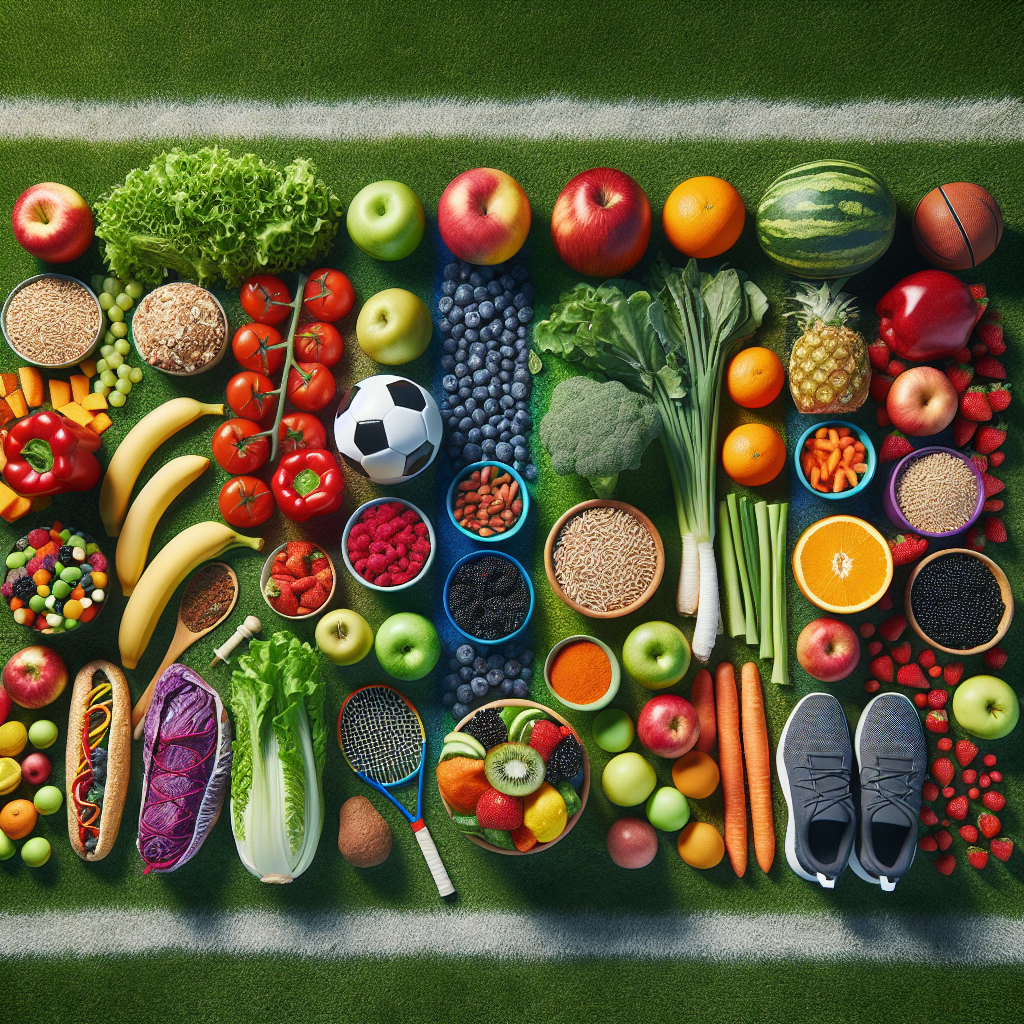
Maximizing Athletic Performance Through Nutrition
Athletes across various disciplines understand that success is not merely about physical training or mental fortitude—it heavily relies on nutrition. In 2025, the focus on optimizing athletic performance through nutrition has intensified, with new research highlighting the importance of a well-balanced diet tailored to individual needs. This comprehensive guide explores how athletes can leverage nutrition to enhance performance, recover efficiently, and maintain overall health. Understanding the role of macronutrients, micronutrients, hydration, meal timing, and dietary strategies will empower athletes to achieve their peak potential.
The Role of Macronutrients in Athletic Performance
Macronutrients—proteins, carbohydrates, and fats—are the body’s primary sources of energy and play crucial roles in athletic performance. Every athlete needs a unique balance of these macronutrients tailored to their specific sport, training intensity, and individual metabolism. For instance, endurance athletes often require a higher proportion of carbohydrates to fuel prolonged physical activity, while strength athletes may need more protein to repair and build muscle tissue. In 2025, nutritional science emphasizes the significance of these dietary components in optimizing energy levels and enhancing overall performance.
Proteins are fundamental for recovery and muscle repair. Consuming adequate protein post-exercise helps stimulate muscle protein synthesis, necessary for recovery and growth. For a competitive athlete, the recommended daily protein intake can range from 1.2 to 2.0 grams per kilogram of body weight, depending on the intensity of the activity. Meanwhile, carbohydrates serve as the primary energy source for high-intensity workouts, and fats are essential for long-lasting energy during endurance activities. Athletes in 2025 are encouraged to experiment with their individual macronutrient ratios to find what best fuels their performance.
The Importance of Micronutrients for Optimal Performance
While macronutrients are essential, micronutrients—vitamins and minerals—are equally vital in optimizing athletic performance. Micronutrients play key roles in energy production, immune function, and muscle contraction, making them indispensable for athletes. For example, iron is a crucial mineral involved in oxygen transportation in the blood, while magnesium supports muscle function and energy metabolism. In the competitive environment of 2025, athletes are advised to focus on micronutrient-rich foods to prevent deficiencies that could compromise their performance.
A diverse diet rich in fruits, vegetables, whole grains, and lean proteins is fundamental to meeting micronutrient needs. Antioxidants from these foods help reduce oxidative stress caused by intense training and can mitigate muscle soreness and fatigue. Athletes are increasingly turning to personalized nutrition plans that include regular assessments of their dietary intake and specific micronutrient needs based on their workout regimens. Such tailored strategies can empower athletes to improve their performance while fortifying their immune systems.
Hydration: A Fundamental Component of Performance
Hydration is crucial for athletes aiming to maximize performance, yet it’s often overlooked in nutrition discussions. Water facilitates numerous physiological processes, including temperature regulation, joint lubrication, and nutrient transport. In 2025, research has further solidified hydration as a key determinant of performance outcomes. Dehydration can lead to decreased endurance, increased fatigue, and impaired cognitive function—all critical factors in competitive settings.
Athletes must aim to maintain optimal hydration levels before, during, and after training sessions. Current guidelines suggest that athletes consume fluids regularly throughout the day, not just when thirsty, to prevent performance dips. During intense training sessions lasting longer than an hour, sports drinks containing electrolytes may be beneficial to restore lost minerals and maintain fluid balance. New technological breakthroughs such as wearable hydration monitors are empowering athletes to track their hydration status in real time, allowing for more informed choices about fluid intake.
Furthermore, personalized hydration strategies are becoming more mainstream in the athletic community. Athletes can now receive tailored plans based on factors like sweat rate, body weight, and environmental conditions. This individualized approach not only enhances performance but also contributes to better recovery and reduced injury risk.
Meal Timing for Enhanced Athletic Performance
The timing of meals can significantly impact athletic performance and recovery. The concept of nutrient timing revolves around the idea of consuming specific nutrients—primarily carbohydrates and proteins—around training sessions to optimize muscle recovery and energy replenishment. In 2025, faster recovery times are being emphasized, and athletes are increasingly aware of maximizing their performance through pre- and post-workout nutrition.
Before exercise, consuming a meal rich in carbohydrates, paired with a moderate amount of protein, can provide the energy needed for peak performance. Ideally, this meal should be consumed 1-3 hours before a workout. A classic pre-workout meal might include oatmeal with fruits and nuts or a smoothie containing yogurt and berries. Post-exercise nutrition is equally crucial, as it kickstarts recovery. Athletes are encouraged to consume a protein- and carbohydrate-rich meal or snack immediately after training to replenish glycogen stores and promote muscle recovery. Recent research suggests that a 3:1 ratio of carbohydrates to protein post-exercise can optimize muscle repair and recovery.
In 2025, the emphasis is also on incorporating smaller, nutrient-rich snacks throughout the day to maintain energy levels and support metabolism. Athletes are finding success using strategic meal planning, which revolves around their training schedule, to enhance their overall nutrition profile and performance outcomes.
Dietary Strategies for Athletes: Embracing Diversity
In today’s world of athletics, diet diversity is increasingly recognized as a critical strategy for optimizing performance. Athletes in 2025 are taking a multifaceted approach, going beyond the traditional athlete diets. Incorporating a wide range of foods not only ensures adequate nutrient intake but also reduces the risk of developing sensitivities to certain foods. Diverse diets rich in whole foods can lead to improved gut health, which has been shown to enhance nutrient absorption, immune function, and even mental clarity.
One increasingly popular approach is the Mediterranean diet, which emphasizes fruits, vegetables, whole grains, lean proteins, and healthy fats. This dietary pattern is not only nutrient-dense but is also associated with enhanced endurance and overall athletic performance. Athletes are also exploring plant-based diets, which can provide sufficient nutrients when properly planned. With the right understanding of food combinations, offers good protein sources, and essential vitamins, a vegetarian or vegan diet can effectively support high levels of training and competition.
The 2025 athletic landscape also acknowledges the significance of mental well-being in performance. Athletes are encouraged to engage in mindful eating practices that cultivate not only a positive relationship with food but also improve mental resilience. Building meals that nourish both the body and mind will create a well-rounded approach to performance that goes beyond mere physical attributes.
Conclusion
Maximizing athletic performance through nutrition is a multifaceted endeavor that encompasses understanding macronutrients and micronutrients, prioritizing hydration, timing meals wisely, and adopting diverse dietary strategies. In 2025, athletes have access to more personalized and scientific approaches that enable them to fine-tune their nutrition for optimal results on the field or court. By focusing on these aspects, athletes can enhance their performance, recover more efficiently, and achieve their goals, paving the way for extraordinary achievements in the world of sports.
FAQs
What macronutrients are most important for athletes?
Athletes need a well-balanced intake of all macronutrients: carbohydrates for energy, proteins for muscle repair, and fats for sustained energy. The ratio may vary depending on the sport and individual goals.
How can I ensure I’m getting enough micronutrients?
A diverse diet rich in fruits, vegetables, whole grains, and lean proteins will help ensure an adequate intake of essential micronutrients. Regular dietary assessments can help identify any deficiencies.
What are the best hydration practices for athletes?
Athletes should maintain fluid intake throughout the day and consume fluids regularly before, during, and after exercise. Using electrolytes during prolonged activities can help replace lost minerals.
Is meal timing really that crucial for performance?
Yes, nutrient timing can significantly impact energy levels and recovery. Consuming a balanced meal rich in carbohydrates and protein before and after workouts can optimize performance and enhance recovery.
How can I diversify my athlete diet?
Incorporate a variety of food groups and cuisines, including whole grains, various proteins, fruits, and vegetables. Consider exploring different dietary patterns like the Mediterranean diet or plant-based options to enhance nutrient diversity.