
Introduction
In 2025, the landscape of sports commentary continues to evolve, significantly influenced by diverse cultural perspectives. As globalization accelerates and digital media expands, the way sports are discussed and critiqued reflects the values, beliefs, and narratives dominant in various cultures. This article explores how cultural perspectives shape sports commentary, highlighting the unique ways in which different societies interpret athletic events, influence commentary styles, and cultivate fan engagement.
The Influence of Culture on Sports Commentary Styles
Cultural perspectives play a pivotal role in shaping the styles of sports commentary across the globe. Different cultures have distinct storytelling traditions that inform how commentators present narratives during sports broadcasts. In many Western cultures, a more analytical and statistics-driven approach dominates, where commentators focus on performance metrics, player statistics, and strategic analysis. This analytical style caters to an audience that values data and performance insights, making the commentary deeply informative but sometimes lacking in emotional connection.
Conversely, in regions where storytelling and emotive expression are integral to cultural identity, such as in many parts of Latin America and Africa, sports commentary can be vibrant and colorful. Commentators from these areas often infuse their broadcasts with local dialects, cultural references, and passionately delivered narratives that enhance the viewer’s emotional experience. This emotionally charged commentary allows fans to connect with the game on a deeper level, celebrating victories and lamenting losses amidst a rich tapestry of cultural storytelling.
The Role of Language and Communication Styles
Language undoubtedly influences the way sports commentary is perceived and delivered. The subtle nuances of language can reflect cultural attitudes towards competition, teamwork, and sportsmanship. For instance, in cultures where collectivism is valued, commentary may emphasize team dynamics, communal achievements, and the importance of working together. Commentators often highlight how individual performances contribute to the broader success of the team, reinforcing the cultural narrative of togetherness.
In contrast, cultures that celebrate individual achievement may lead commentators to focus on personal accolades and star players. This difference in focus not only impacts the commentary itself but also shapes fan engagement. Fans raised in collectivist cultures may find it more rewarding to celebrate team success rather than individual glory, which can influence their engagement on social media platforms or in fan discussions. Additionally, the use of metaphors and idioms prevalent in different cultures can shape how stories are told during broadcasts, adding layers of meaning that resonate deeply with local audiences.
Cultural Narratives and Identity in Sports Commentary
The intertwining of sports and cultural narratives is evident in how commentators present events, especially during major tournaments and globally recognized championships. Some sports, like soccer, have become so intertwined with national identity that commentary often incorporates historical and cultural references unique to each nation. For example, during the FIFA World Cup, commentators from different nations interweave their histories, celebrating cultural icons and legendary sports figures, thus enhancing national pride and shared identity among viewers.
Furthermore, the way triumphs and setbacks are framed can differ dramatically based on cultural context. In some cultures, sports losses are seen as opportunities for growth and resilience, while in others, they may invoke feelings of shame or disappointment. Commentators often play a crucial role in shaping the emotional narratives surrounding victories and defeats, helping audiences process outcomes in line with their cultural values. This can lead to variances in post-game discussions, interviews, and analysis, reflecting broader societal attitudes toward success and failure.
The Impact of Social Media on Cultural Commentary
In the era of 2025, social media platforms have transformed sports commentary by amplifying diverse cultural voices and allowing fans to participate in conversations. This democratization of sports commentary has led to an increase in multilingual broadcasts, where commentators engage audiences in multiple languages, reflecting the global nature of sports today. Fans from diverse backgrounds can share their perspectives, enriching the commentary landscape and allowing cultural exchanges that were less common in traditional media.
Moreover, social media platforms allow for real-time interaction between commentators, players, and fans, fostering an environment where cultural insights can be shared instantaneously. Commentators are now tasked with not only delivering content but also navigating the complexities and sensitivities of various cultural contexts in immediate discussions. The diversity of voices on social media can also challenge and reshape traditional narratives, with grassroots commentary often transcending prominent sports media channels to present alternative insights and cultural interpretations.
The Future of Sports Commentary: Embracing Diversity
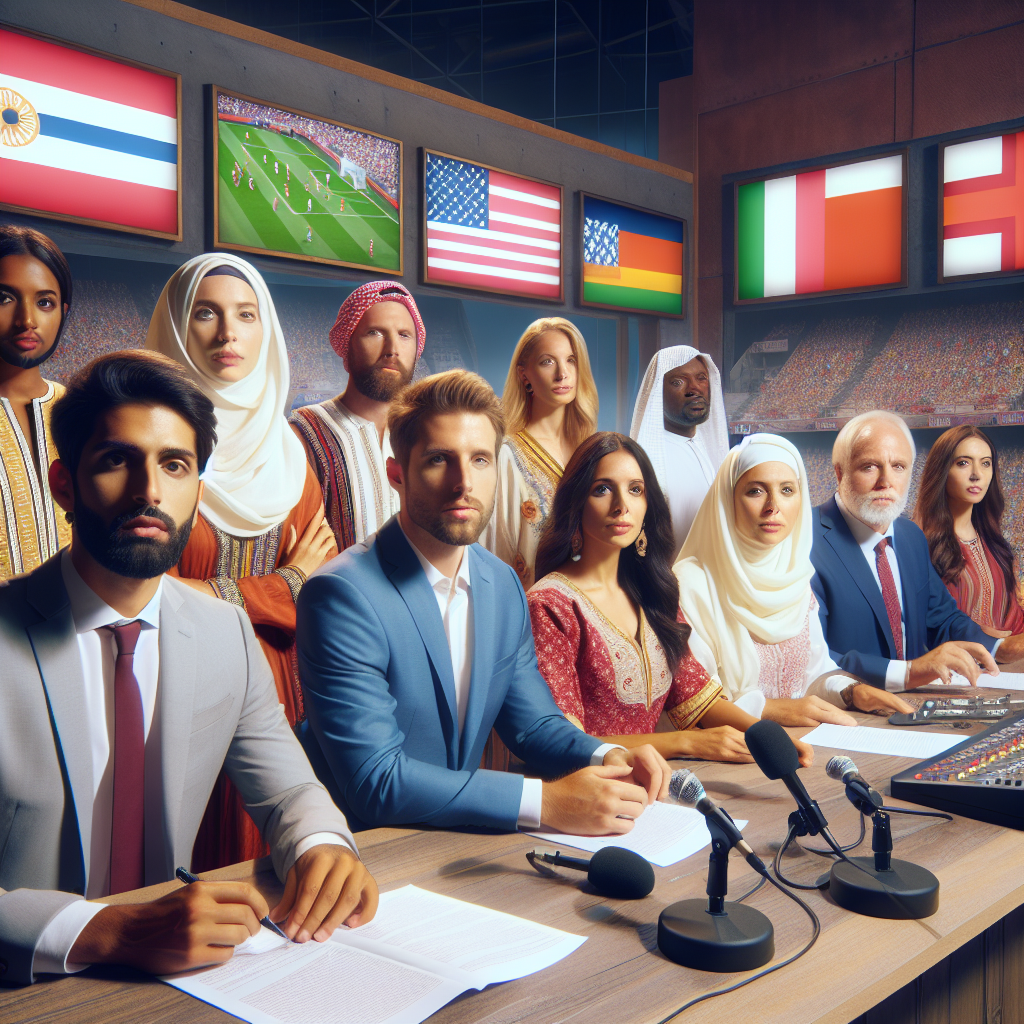
As we look to the future of sports commentary, the importance of embracing diverse cultural perspectives becomes increasingly evident. The demand for inclusive commentary that respects and reflects a multitude of cultures is rising, particularly among younger audiences who prioritize authenticity and representation. Sports networks and broadcasters are recognizing the need for diverse representation in their commentary teams, understanding that a variety of cultural viewpoints can attract broader audiences and create more engaging narratives.
Embracing diversity in commentary can also foster greater fan involvement and create communities centered around shared cultural narratives. Initiatives such as bilingual broadcasts or culturally themed commentary can help bridge gaps in understanding for audiences from different backgrounds. As sports continue to unite people globally, the ongoing integration of diverse cultural perspectives in commentary will enrich the experience for all fans, creating a more inclusive and immersive environment where everyone can share in the joys and tribulations of sports.
Conclusion
In conclusion, cultural perspectives profoundly shape sports commentary, influencing styles, narratives, and the overall fan experience. The interplay of language, storytelling traditions, and social media has created a rich tapestry of commentary practices that reflect the diverse backgrounds of both commentators and audiences. As we move through 2025, embracing these cultural differences will not only enhance the richness of sports commentary but also promote a deeper understanding and connection among global sports fans.
FAQs
How do cultural perspectives influence sports commentary?
Cultural perspectives affect commentary styles, storytelling approaches, and emotional engagement, creating unique interpretations of sports events that resonate with local audiences.
Why is language important in sports commentary?
Language shapes how commentators express narratives, influencing audience understanding and emotional responses to performances and events, reflecting cultural distinctions.
How has social media changed sports commentary?
Social media democratizes commentary by allowing diverse cultural voices to participate in discussions, fostering real-time interaction among fans, commentators, and players.
What is the significance of multicultural representation in sports commentary?
Multicultural representation in commentary enriches narratives, attracts broader audiences, and promotes inclusivity in sports, ensuring various cultural perspectives are acknowledged and celebrated.
Will the trend of diverse sports commentary continue?
Yes, as audiences become more diverse and interconnected, the emphasis on inclusive and culturally aware commentary is likely to grow, shaping the future of sports broadcasting.