Political Ideologies and Their Influence on Global Conflict
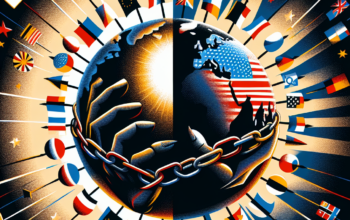
Political ideologies have shaped nations and influenced global peace and conflict throughout history. In 2025, as we navigate a world increasingly marked by ideological divides, understanding these frameworks becomes critical for addressing contemporary global conflicts. This article examines how various political ideologies—such as liberalism, conservatism, socialism, nationalism, and religious fundamentalism—intersect with global conflict, shaping both state and non-state actors. By analyzing these ideologies, we can better understand their implications for peace, security, and international relations in today’s complex geopolitical landscape.
The Roots of Political Ideologies
Political ideologies are foundational beliefs that guide the governance of societies and define their political landscapes. They emerge from historical conditions, cultural contexts, and philosophical roots. At the heart of these ideologies are various interpretations of human nature, justice, freedom, and the role of the state. For example, liberalism promotes individual rights, democratic governance, and free markets, evolving from Enlightenment thought. This ideology emphasizes equality and personal freedoms, which can conflict with authoritarian regimes and provoke resistance and rebellion, as seen in various uprisings across the world.
Conversely, conservativism, rooted in tradition and stability, promotes the preservation of established institutions and social norms. In countries where rapid modernization or liberal reforms threaten traditional values, conservative ideologies often react with resistance to change, potentially escalating conflicts. The ongoing tensions in regions like the Middle East showcase how the clash of liberal and conservative values has manifested into severe geopolitical confrontations. Understanding these roots provides essential context for analyzing how political ideologies catalyze conflicts globally.
<h2:The Role of Nationalism in Conflicts
Nationalism is a powerful political ideology that emphasizes loyalty and devotion to a nation-state, often at the expense of broader international unity. In 2025, nationalism continues to influence various conflicts, often manifesting in separatist movements and anti-globalization sentiments. For example, the resurgence of nationalist policies in several European countries has led to tensions within the European Union, complicating cooperative efforts on issues like immigration and trade. This tension highlights how nationalism can lead to intrastate and interstate conflicts as groups seek autonomy or leverage over perceived threats from external entities.
The relationship between nationalism and global conflict is complex. While it can unite people around a common identity, it can also sow discord between different national groups. Recent events, such as the ongoing tensions between Russia and Ukraine, illustrate how nationalistic fervor can lead to aggressive military actions. As nationalism gains traction in various regions, understanding its influence on global conflicts is crucial for policymakers and peacebuilders striving to mitigate tensions and foster dialogue among conflicting parties.
<h2:Socialism and Global Conflict: Tension and Resistance
Socialism advocates for collective ownership and redistribution of resources, offering a stark contrast to capitalist ideologies. The resurgence of socialist ideologies in various parts of the world, particularly in response to economic inequality and social injustice, has caused tensions within and between nations. For instance, in Latin America, countries embracing socialist policies have experienced tensions with more capitalist-oriented neighbors and the United States. In 2025, we witness renewed fervor for socialist ideals, spurred by economic disparities exacerbated by the COVID-19 pandemic and climate crises.
The influence of socialism on global conflict can also be seen in the context of class struggle. As socio-economic inequalities grow, class-based movements challenge existing capitalist systems, leading to political instability and conflict. For instance, protests and uprisings in countries like Chile and Brazil highlight how the push for socialist policies can escalate into significant conflicts, challenging both governmental authority and capitalist frameworks. Thus, understanding socialism’s role in shaping conflicts is crucial for analyzing both current events and the potential for future confrontations.
<h2:Religious Fundamentalism as a Catalyst for Conflict
Religion remains a pivotal force influencing global politics, particularly through fundamentalist movements that often advocate for extreme interpretations of faith. In 2025, religious fundamentalism continues to impact international relations, fueling conflicts that cross national borders. This ideological landscape poses challenges as belief systems clash, leading to violence and terrorism—often justified by the notion of divine mandate. The rise of religious fundamentalism has been notably evident in regions such as the Middle East, where sectarian divisions exacerbate existing tensions between state and non-state actors.
The interplay between religious fundamentalism and politics can generate fertile grounds for conflict. For example, the increasing influence of religious groups in national politics in countries like Afghanistan and Iran can lead to aggressive domestic and foreign policies, further entrenching ideological divides. Additionally, the global war on terror has largely shaped perceptions of religion and conflict, emphasizing a narrative that often overlooks the broader socio-economic and political contexts fueling unrest. Understanding the complexities of religious fundamentalism is essential for addressing its implications for security and peace in the contemporary world.
<h2:Intersections of Ideologies and Global Conflict
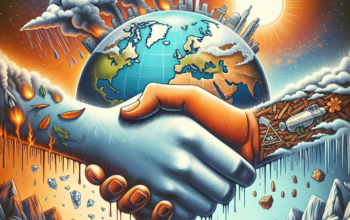
The interplay of political ideologies generates multifaceted conflicts with no single cause or resolution. In 2025, we see increasing ideologically driven discord shaping diplomatic interactions on various global platforms. For instance, the dichotomy between democratic liberalism and authoritarianism continues to fuel tensions between Western powers and countries that adopt divergent paths, such as China and Russia. The struggle for influence in international institutions, such as the United Nations and regional alliances, mirrors underlying ideological conflicts affecting global stability.
The convergence and divergence of these ideologies also manifest in transnational movements. Globalization has spawned a rise in populism, as economic dislocation and cultural anxiety lead citizens to embrace nationalist and protectionist ideologies. The convergence of nationalism and social movements often results in contention—seen in protests advocating for climate action that clash with economically motivated governmental policies. In this context, political ideologies not only shape domestic environments but also instigate global conflicts, thereby necessitating nuanced understanding for effective conflict resolution.
Finally, as we analyze the ideological landscape, it’s critical to consider the role of technology in amplifying these conflicts. Social media platforms serve as a battleground for ideological warfare, facilitating the spread of propaganda and extremist narratives that exacerbate tensions. Cyber warfare and misinformation campaigns contribute to the fracturing of societies along ideological lines, making resolution efforts increasingly complex. Thus, in understanding the influence of political ideologies on global conflict, we must critically engage with how these ideologies are propagated and resisted within digital spaces.
Conclusion
In conclusion, political ideologies are integral to understanding the landscape of global conflict in 2025. The roots of these ideologies, from liberalism to nationalism, socialism, and religious fundamentalism, deeply influence international relations and domestic policies. As we grapple with the complexities of contemporary conflicts, recognizing how these ideologies intersect and interact can inform strategies for conflict resolution and peacebuilding. Understanding and engaging with the ideological dimensions of conflict remains vital to shaping a more cooperative and stable global environment.
FAQs
What are the main types of political ideologies influencing global conflicts today?
The main types of political ideologies influencing global conflicts include liberalism, conservatism, socialism, nationalism, and religious fundamentalism. Each ideology presents unique perspectives and solutions, often leading to friction in domestic and international contexts.
How do political ideologies shape international relations?
Political ideologies shape international relations by influencing the attitudes and actions of states toward one another. Ideological divides can lead to conflicts over governance models, human rights, and economic practices, often resulting in strained diplomatic relations.
What role does nationalism play in modern conflicts?
Nationalism plays a significant role in modern conflicts by fostering a sense of identity and belonging among citizens while creating distrust and hostility toward other nations or groups. This divide can lead to separatist movements and aggressive foreign policies.
Can ideological conflicts be resolved?
While ideological conflicts can be challenging to resolve, they can be mitigated through dialogue, intercultural understanding, and compromise. Engaging in conversations that respect diverse viewpoints is essential for conflict resolution.
How has technology influenced political ideologies and global conflict?
Technology has amplified political ideologies by enabling the rapid dissemination of ideas, propaganda, and extremist content. Social media platforms can polarize societies and escalate conflicts, making it critical to understand their role in shaping contemporary political landscapes.