Political Scandals in the Age of Social Media: A New Frontier

Political Scandals in the Age of Social Media: A New Frontier
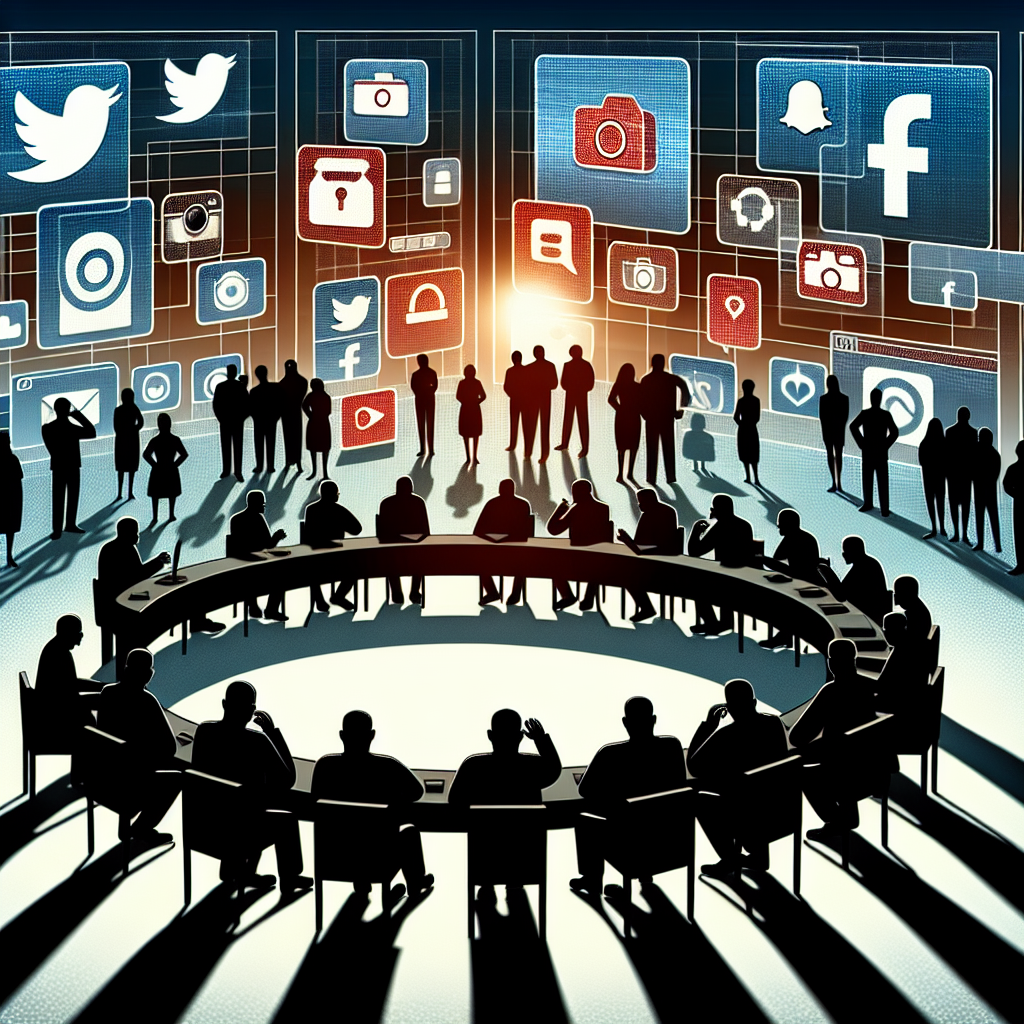
In the rapidly evolving digital landscape of 2025, political scandals have emerged as a multi-faceted phenomenon, heavily intertwined with the rise of social media. The immediacy and accessibility of platforms such as Twitter, Facebook, and TikTok have transformed how scandals are reported, disseminated, and ultimately perceived by the public. The velocity of information flow can make or break a politician’s career almost overnight, creating a new frontier in political accountability and strategy. In this article, we will delve deep into the dynamics of political scandals in today’s social media-infused world, examining key developments, notable cases, and their broader implications for the political landscape.
Understanding Political Scandals in a Digital Era
The concept of political scandal has existed for centuries, often serving as a litmus test for public integrity and accountability. In the age of social media, however, the definition of a political scandal has morphed—often expanding beyond tangible acts of misconduct to include perceptions, rumors, and allegations circulated at lightning speed. In 2025, the digital platform has shifted the narrative from traditional journalism to a more democratized version of news dissemination, where anyone with internet access can contribute to the discussion.
Social media operates as a double-edged sword in political scandals. On one hand, it offers a platform for whistleblowers and citizens to expose malfeasance more easily than in prior decades. On the other hand, it can also amplify misinformation, leading to unjust character attacks and rapidly spread falsehoods. The evolution of “cancel culture” on platforms like Twitter exemplifies how quickly reputations can be shattered, regardless of the veracity of the claims being made. Politicians in 2025 must navigate this minefield, safeguarding their reputations while leveraging social media’s power to connect with constituents.
The Mechanisms of Scandal Amplification
One of the most striking features of the social media landscape is its ability to propagate a narrative with unprecedented speed. Algorithms that prioritize engagement mean that incendiary posts are more likely to appear on users’ feeds, regardless of their factual basis. This has led to a phenomenon where scandals are often sensationalized rather than accurately reported. As a result, politicians find themselves developing strategies not only to combat misinformation but also to manage their online images meticulously.
Moreover, social media platforms have birthed a new breed of political influencers—individuals or groups that may not hold formal power but can sway public opinion through their online presence. These influencers often wield substantial power over narratives, either supporting or undermining the legitimacy of a political figure depending on their sentiment. In 2025, this dynamic raises questions about the ethical responsibilities of influencers and the potential impact of their commentary on both public discourse and political careers.
Case Studies: 2025 Political Scandals That Shook the Landscape
Several high-profile political scandals in 2025 have crystallized the impact of social media on public perception. One notable case involves a prominent senator whose comments regarding immigration policy were taken out of context, sparking outrage across platforms. The backlash on social media led to nationwide protests, effective lobbying against the senator’s proposed legislation, and a significant dip in approval ratings. The situation exemplified how quickly a seemingly innocuous statement could spiral into a national scandal—a phenomenon exacerbated by Twitter threads and TikTok videos that simplified complex issues for mass consumption.
Another significant example is the whistleblower incident involving election funding. An anonymous source leaked documents on a social media platform detailing illegal contributions to a political campaign. The story went viral within hours, dominating news cycles and leading to an official investigation. The politicians involved initially attempted to downplay the situation, but public outcry on social media forced them to address the allegations head-on. This case underscores the power of citizen journalism in the digital age and the potential for social media to act as a catalyst for political change and accountability.
Lastly, a global health minister found themselves embroiled in a scandal regarding vaccine distribution. Posts on social media highlighted disparities in vaccine availability among different socioeconomic groups, leading to accusations of negligence and favoritism. The health minister faced mounting pressure to resign, demonstrating how social media can mobilize public sentiment into actionable responses. This instance exemplifies the essential role of accountability, facilitated by social media, in democratic governance.
The Role of Fact-Checking and Misinformation Management
In 2025, misinformation remains a critical challenge in the realm of political scandals, with social media platforms continually evolving in their approach to fact-checking. Platforms like Twitter and Facebook have implemented advanced AI systems to flag dubious content, but these measures often fall short against the flood of unverified posts spreading across the internet. This ongoing battle against misinformation leads some individuals and organizations to take matters into their own hands, establishing grassroots movements aimed at promoting transparency and truth.
Fact-checking organizations have become indispensable allies in the context of political accountability. These entities employ rigorous research and analytics to counteract the proliferation of false information, often partnering with news outlets and social media platforms. However, the tumultuous relationship between fact-checkers and politically charged narratives has led to accusations of bias, complicating the landscape further. As a result, the credibility of both politicians and journalists hinges on their commitment to accuracy and accountability.
Ultimately, the struggle against misinformation in social media requires a collaborative effort across sectors—politicians, journalists, influencers, and the public—all must engage critically with the material they encounter. In this increasingly interconnected world, promoting digital literacy and responsible consumption of information will be crucial for fostering a healthier political discourse.
The Future of Political Accountability in the Social Media Landscape
As we move deeper into the 2020s, the implications of political scandals shaped by social media continue to unfold, raising essential questions about the future of accountability and trust in governance. With the proliferation of deepfakes and advanced AI-generated media, the landscape will become even more complicated. Politicians may find themselves defending against not only their real actions but also increasingly sophisticated fabrications that can undermine their credibility in a flash.
The need for transparency has never been greater. Constituencies increasingly demand open communication regarding policy discussions, ethics, and campaign financing. Politicians in 2025 are compelled to engage directly with the public via social media platforms, leading to a culture of constant scrutiny. Nevertheless, this level of transparency also invites potential backlash, making it crucial for politicians to develop crisis communication plans that leverage social media strategically.
Moreover, the role of regulation cannot be overstated. Legislative bodies worldwide are grappling with how to address the challenges posed by social media in the political arena. Moves toward stricter regulations on advertising, misinformation, and data privacy will likely continue, affecting how scandals develop and are managed. The necessity for a balanced approach that protects free speech while curtailing harmful misinformation will be a defining challenge for lawmakers in the coming years.
Conclusion
In conclusion, political scandals in the age of social media represent a transformative shift in the dynamics of political communication and accountability. The swift reporting of allegations, combined with the potential for misinformation to spread like wildfire, demands that politicians navigate their public personas with diligence and strategy. As demonstrated through various case studies from 2025, social media can serve both as a tool for accountability and a catalyst for chaos, illustrating the dual-edged nature of this new frontier. Moving forward, fostering an environment of transparency, supporting fact-checking initiatives, and understanding the implications of regulation will be vital for sustaining democratic integrity and public trust.
FAQs
What are some notable political scandals of 2025?
Some notable political scandals in 2025 involved a senator’s controversial comments on immigration, a whistleblower leak concerning illegal campaign funding, and a health minister’s handling of vaccine distribution.
How has social media changed the landscape of political scandals?
Social media has accelerated the speed and reach of information, transforming how scandals are reported and managed. It increases accountability but also risks amplifying misinformation.
What measures are being taken to combat misinformation?
Platforms are increasingly employing AI technologies to flag dubious content, and leading fact-checking organizations are collaborating with media outlets to provide accurate information and context.
Why is transparency important in political accountability?
Transparency fosters trust between politicians and constituents, promotes responsible governance, and essentially serves as a basic tenet of a functioning democracy.
What does the future hold for political scandals in the age of social media?
The future holds challenges like the emergence of deepfakes and the ongoing evolution of regulations addressing misinformation and political advertising, impacting how scandals are perceived and managed.