Ranking the Greatest Sports Moments of the Decade
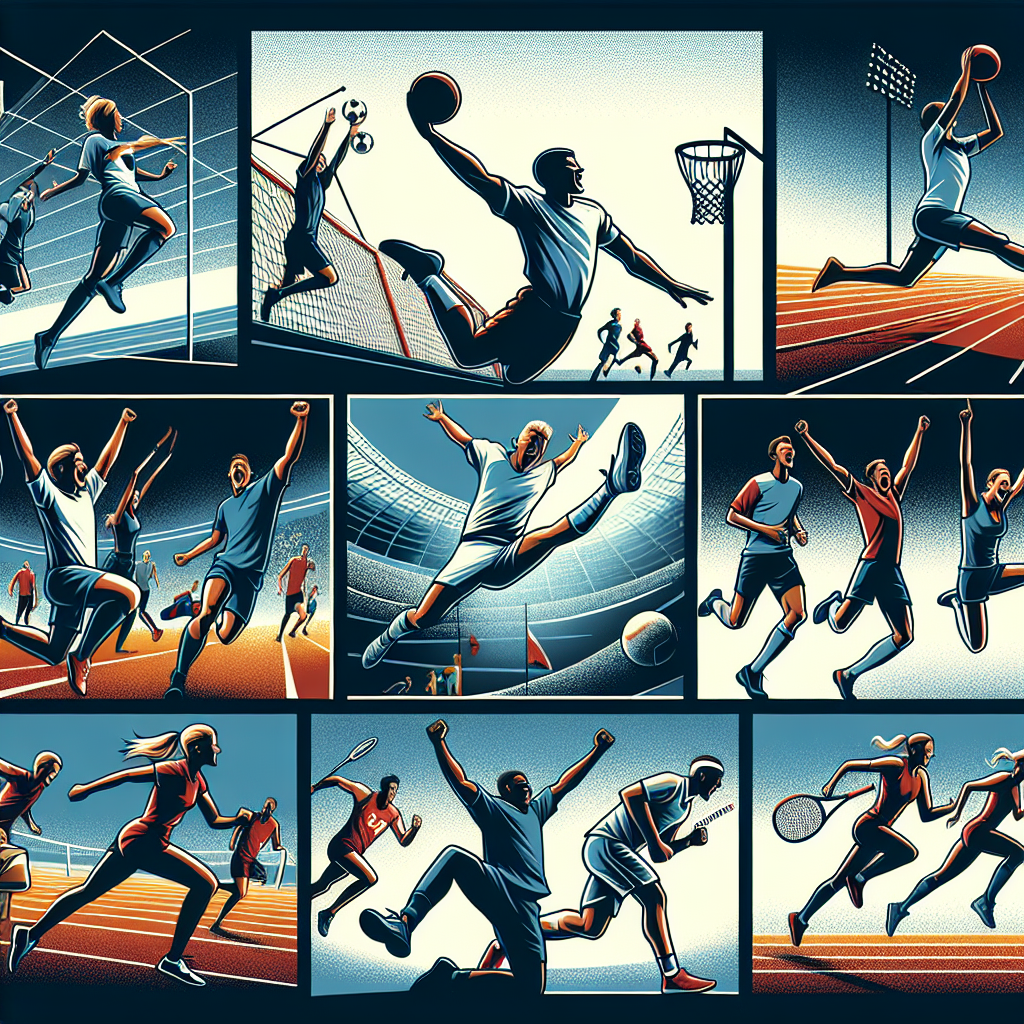
Sports have an unparalleled ability to inspire and evoke emotion, serving as a backdrop for unforgettable moments that transcend the game itself. As we reflect on the past decade, from 2010 to 2020, we are compelled to acknowledge the sporting events that have left an indelible mark on fans around the world. “Ranking the Greatest Sports Moments of the Decade” is not merely about statistical achievements; it is about the fervor, the drama, and the unforgettable stories behind these moments. Join us as we delve into the greatest sports milestones that not only defined a decade but also shaped the future of sports in the years to come.
Unforgettable Sporting Triumphs of the Decade
The past decade has witnessed extraordinary achievements that have redefined the essence of sportsmanship. One of the most notable moments came during the 2016 Summer Olympics held in Rio de Janeiro when American swimmer Michael Phelps capped off his illustrious career with five gold medals and one silver, concluding his competitive journey with a record total of 28 Olympic medals. Phelps’ final appearances were a tribute to perseverance, grit, and unmatched talent, reminding millions of fans why he is considered the greatest swimmer of all time. His prowess in the pool not only secured his legacy but also inspired a new generation of athletes to chase their dreams, creating a ripple effect in the world of competitive swimming.
Another breathtaking triumph was the victory of the New England Patriots in Super Bowl LI in 2017. This thrilling game against the Atlanta Falcons saw the Patriots overturn a monumental 28-3 deficit in the second half to win 34-28 after overtime, marking the first Super Bowl ever to be determined in extra time. Quarterback Tom Brady, who earned his fifth Super Bowl MVP award, displayed extraordinary leadership skills and resilience in one of the greatest comebacks in sports history. The match symbolized the ethos of never giving up and shone a light on the strategic depth involved in high-stakes sports, engaging fans and analysts alike in discussions about game theory for years to come.
Unprecedented Records and Iconic Rivalries
In addition to individual triumphs, the past decade has been notable for record-breaking performances that have thrilled audiences. In 2014, the German national soccer team achieved an unforgettable feat by winning the FIFA World Cup, crushing Brazil 7-1 in the semi-finals. This shocking result not only shattered the Brazilian team’s dream of winning on home soil but also cemented Germany’s place as a football powerhouse. The match will be remembered for its historical significance and the emotional rollercoaster experienced by fans across the globe—the elation of victory and the agony of unexpected defeat.
Another notable rivalry that captivated sports fans this decade was the intense competition between tennis legends Roger Federer and Rafael Nadal. Their rivalry reached a fever pitch in 2017 when they faced off in the Australian Open final, marking their first Grand Slam meeting in nearly five years. The match, which ended with Federer winning in five exhilarating sets, was widely regarded as one of the greatest finals in tennis history. This decade-spanning rivalry not only showcased the incredible talent of both players but also highlighted the evolution of tennis, as each athlete pushed the boundaries of the sport through their skill and determination. The thrilling matches between Federer and Nadal are a testament to the heart-pounding drama that accompanies elite-level sports.
Game-Changing Performances and Cultural Impact
No discussion of the greatest sports moments of the decade would be complete without recognizing the impact of sports in the cultural landscape. The 2018 Super Bowl halftime show featuring Beyoncé and her powerful performance alongside a choir of mothers whose children were victims of gun violence sparked important conversations about social justice. The fusion of high-octane entertainment with a poignant message resonated with millions, illustrating the power of sports as a platform for activism and change. Sports figures increasingly embraced their roles as advocates, leading to a shift in how fans perceive athletes—not only as competitors but as influential voices in society.
Similarly, the 2019 Women’s FIFA World Cup showcased the immense talent and competitive spirit of female athletes. The U.S. Women’s National Soccer Team’s victory not only brought home the trophy but also reignited discussions regarding equality in sports, particularly regarding pay disparities between male and female athletes. Star player Megan Rapinoe emerged as a prominent face of this movement, championing gender equality and LGBT rights, and using the global stage to address critical societal issues. This tournament served as a catalyst for broader advocacy, sparking greater investment in women’s sports and inspiring young athletes around the world.
One of the most moving performances of the decade occurred at the 2020 Tokyo Olympics, albeit postponed due to the COVID-19 pandemic. The closing ceremony featured an emotional tribute to frontline workers who battled the pandemic, recognizing their sacrifices and resilience during a challenging time. Athletes such as Simone Biles and Naomi Osaka highlighted mental health awareness by prioritizing their well-being over competition, paving the way for ongoing conversations about mental health in sports. These moments illustrated how sports continue to evolve in the social and cultural realm while highlighting athletes’ humanity and vulnerabilities.
Moments of Controversy and Redemption
The decade was also marked by moments of controversy that sparked heated debates among fans and sports analysts alike. In 2016, San Francisco 49ers quarterback Colin Kaepernick ignited a nationwide conversation on racial inequality and police brutality by taking a knee during the national anthem. This act of protest resonated deeply across various sports but also attracted fierce backlash, igniting discussions around free speech, patriotism, and the responsibilities of athletes in societal issues. Kaepernick’s stance, while polarizing, underscored the intersections of sports, culture, and politics, and it exemplified how athletes can serve as catalysts for social change.
Another poignant reveal came in 2019, when basketball superstar Kevin Durant made the decision to join the Brooklyn Nets after a highly scrutinized tenure with the Golden State Warriors. Durant’s choice was met with mixed reactions, as some fans accused him of taking the “easy route” to championships. However, the decision illustrated the fluidity of modern sports contracts and architectures, which have fundamentally shifted the dynamics of team-building in the NBA. It marked a new era where player autonomy and choice take precedence, leading to a unique blend of talent and strategic planning that fans admire and criticize simultaneously.
Redemption stories also punctuated the decade, where athletes turned controversies into a new narrative. Consider the case of Tiger Woods, whose tumultuous personal life and professional setbacks almost derailed his legendary career. In 2019, Woods made a remarkable comeback, winning the Masters Tournament for the fifth time, solidifying his legacy and serving as an inspiration to millions. His resilience and determination exemplified the essence of sports—overcoming obstacles and achieving the seemingly impossible, reminding fans and future generations that greatness can emerge from adversity.
The Impact of Technology and Media on Sports
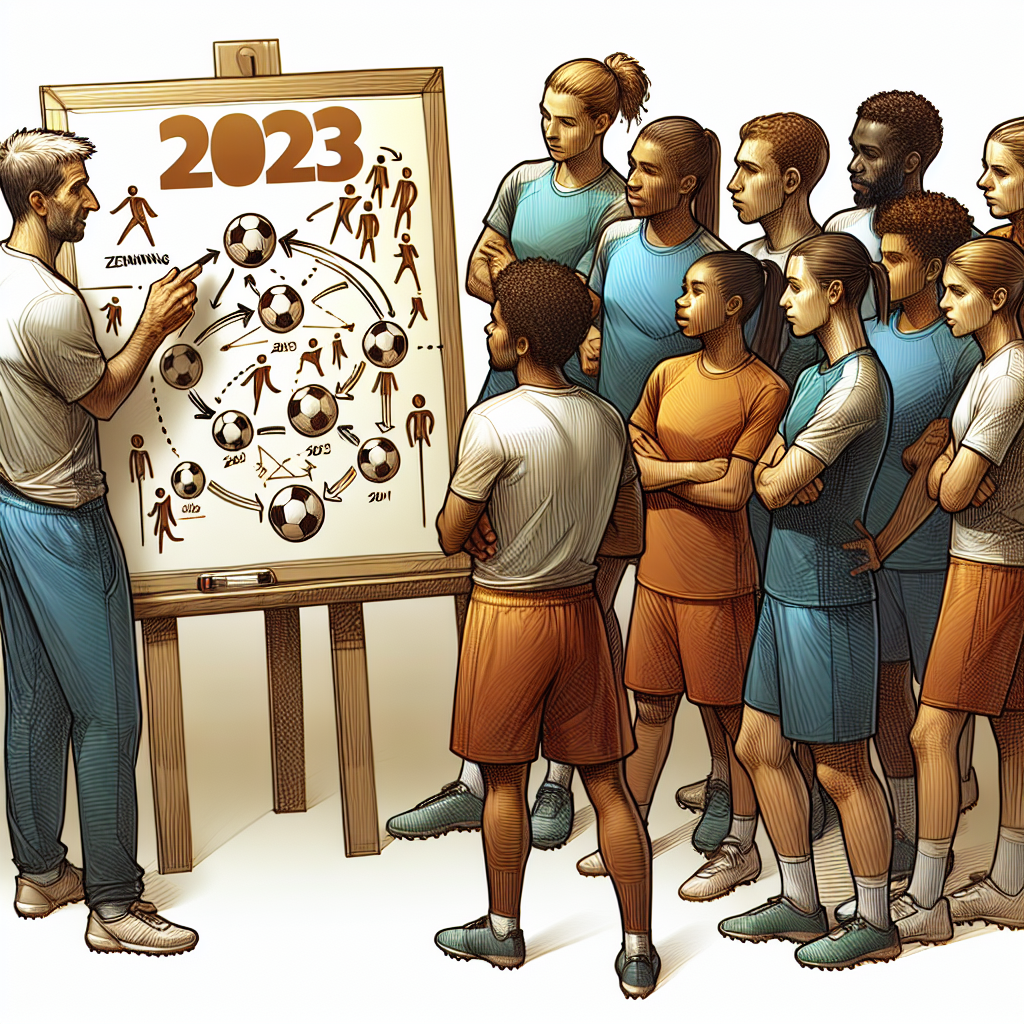
The last decade has seen an unprecedented integration of technology and sports, enhancing the viewing experience and delivering jaw-dropping moments to fans. The advent of VAR (Video Assistant Referee) in football has been one of the most talked-about innovations, raising debates about its impact on the game. Introduced to enhance fairness and accuracy, VAR has provided crucial reviews of controversial calls, altering the outcomes of several high-stakes matches. While some fans appreciate the technology’s potential to correct wrong decisions, others argue that it disrupts the flow of the game and dampens excitement. As teams, leagues, and governing bodies navigate this evolving landscape, the balance between tradition and innovation continues to provoke critical thought among enthusiasts.
Moreover, advancements in sports analytics have revolutionized how teams strategize and interact with fans. Data-driven decision-making has become essential in player development and management; teams harness insights from metrics to optimize performance and approach recruitment differently. For example, the rise of Moneyball strategies in baseball has permeated several other sports, illustrating how data can drive competitive advantages. This transformation has also impacted fan engagement, as sports franchises utilize data to tailor experiences, enhancing the emotional connection that fans develop with their teams.
Social media platforms have further magnified the visibility and popularity of sports moments, allowing fans to engage in real-time discussions and celebrate or critique performances instantaneously. Platforms like Twitter and Instagram provide athletes a platform to establish personal brands and connect intimately with fans, enabling a culture where athletes are more than just players; they are relatable figures who share their journeys and struggles. This transformation has not only fueled the popularity of sports but also prompted a recalibration of traditional media’s role, as outlets adapt to a rapidly changing landscape dominated by online interactions and digital storytelling.
Reflecting on the Greatest Sports Moments of the Decade
The decade leading to 2020 has been marked by a variety of unforgettable sports moments that resonate with fans of all ages and backgrounds. The monumental achievements in athletics inspire potential future stars, while stories of resilience and redemption remind us of the human spirit’s capacity for growth. In sports, every victory, loss, and moment of controversy contributes to a tapestry that defines each sport’s unique history, and the moments we observed over the past decade will undoubtedly influence future generations of athletes and fans alike.
The continuous evolution of the sporting landscape, driven by technology and social change, suggests that while the past decade has given us iconic experiences, we are just beginning to scratch the surface of what is possible in sports. As fans continue to rally around their favorites, the shared experiences that shape our identities and cultures will persist, uniting us through the passion and excitement that sports provide. This decade’s defining moments, filled with heart and triumph, will serve as a legacy that inspires athletes to reach new heights.
In conclusion, the decade from 2010 to 2020 has been rich in extraordinary sporting moments, characterized by triumph, controversy, and cultural impact. From Michael Phelps’ legacy to the powerful protests by athletes, the events of this era have not only showcased remarkable talent but also reshaped the dialogue surrounding social issues within the sporting world. As we look ahead, the memories and lessons from this decade call upon us to envision a future that values equality, resilience, and the unifying power of sports.
FAQs
What is considered the greatest sports moment of the decade?
This is subjective, as it varies by personal preference and the sport in question. However, events like Michael Phelps’ 2016 Olympics performance, the U.S. Women’s National Team’s victory in the 2019 FIFA World Cup, and the Patriots’ comeback in Super Bowl LI are frequently highlighted.
How have social movements influenced sports in the last decade?
Athletes have increasingly used their platforms to advocate for social change, addressing issues like racial equality and mental health. Notable examples include Colin Kaepernick’s protest during the national anthem and the U.S. Women’s National Team’s fight for gender pay equality.
What role has technology played in sports recently?
Technology has dramatically transformed sports through innovations like video review systems (VAR) in football and advanced analytics for player performance. These advancements enhance fairness in competitions and improve how teams strategize and engage with fans.
Are there any iconic sports rivalries that emerged during this decade?
Certainly, rivalries such as Roger Federer vs. Rafael Nadal in tennis and the New England Patriots vs. the New York Giants in American football have captivated fans. These matchups often delivered nail-biting drama and extraordinary performances that defined their respective sports.
What can we expect in future sports moments after this decade?
Moving forward, the continued integration of social activism, technology, and player agency will likely shape the future of sports. New records and compelling narratives will undoubtedly emerge, further enriching the dynamic landscape of athletics.