The Evolution of Leadership Styles in Politics
The landscape of leadership in politics has evolved dramatically over the decades, influenced by social, economic, and cultural changes. The evolution of leadership styles in politics reflects not only individual leaders’ traits but also broader societal shifts, technological advances, and changing expectations from the governed populace. As we explore this evolution, we’ll uncover how various leadership styles have shaped political landscapes and the implications for contemporary governance in 2025.
The Historical Context of Political Leadership Styles
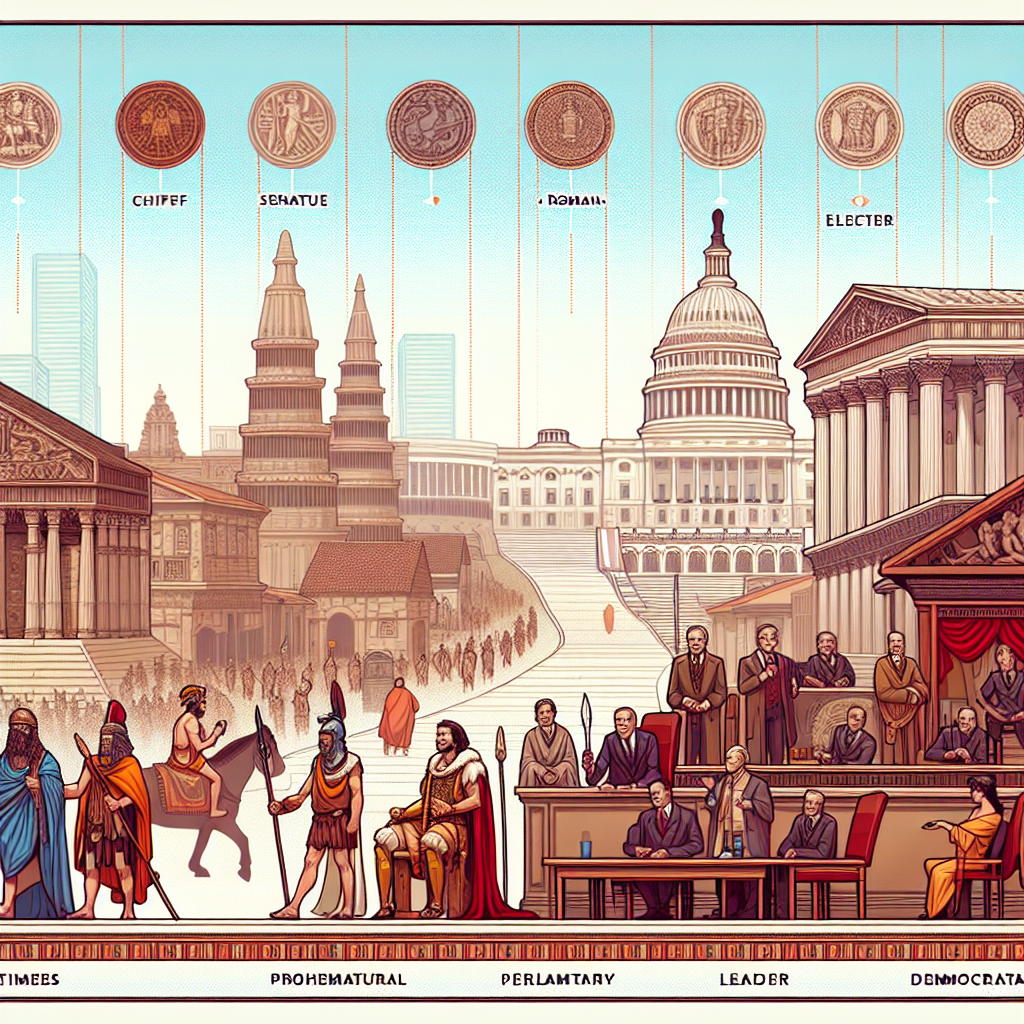
Understanding the evolution of leadership styles in politics necessitates a look back at historical contexts. From the autocratic rulers of antiquity to modern democratic leaders, political leadership has been characterized by a wide array of styles. Initially, leadership was often centralized in the hands of monarchs who wielded absolute power. Leaders were defined by their ability to maintain order and enact swift decisions in turbulent times, often using fear and divine right as governing principles. The emphasis was primarily on control and stability, driven by the necessity of survival during periods marked by wars and upheavals.
With the advent of the Renaissance and Enlightenment, democracy began to take root, leading to a paradigm shift in leadership styles. Philosophers like John Locke and Montesquieu advocated for principles of liberty and governance by consent, challenging the notion of absolute authority. This period marked the evolution towards participatory, representative leadership styles, where the focus shifted from autocracy to democracy. Political leaders began to adopt styles that valued engagement, persuasion, and compromise, setting the stage for modern governance frameworks that prioritize citizen involvement and accountability.
Influence of Social Movements on Leadership Styles
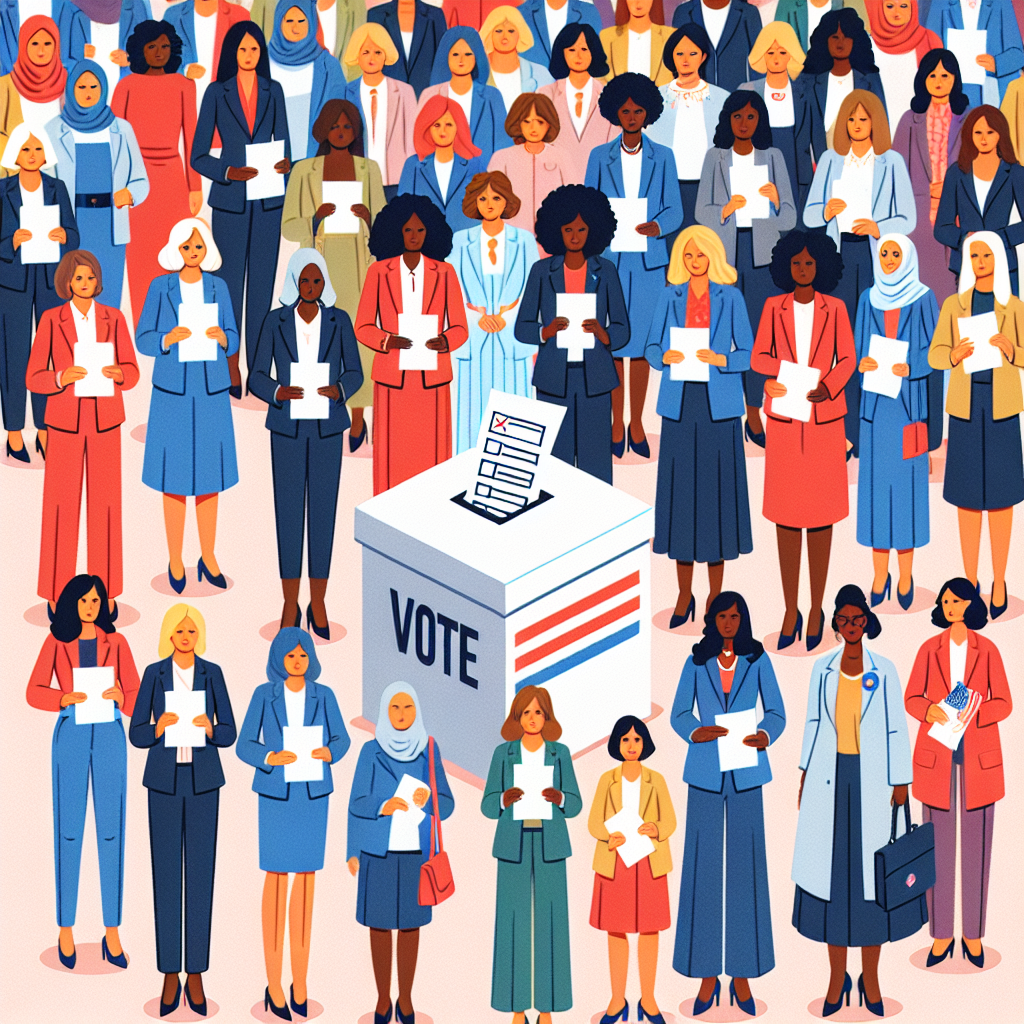
The 20th century was pivotal in reshaping leadership dynamics, particularly with the rise of various social movements. The suffrage movement, civil rights movements, and labor movements fundamentally influenced the expectations and styles of political leadership. Leaders began to emerge who weren’t just politicians but also activists with a clear moral compass. For instance, the leadership of figures like Martin Luther King Jr. and Mahatma Gandhi showcased transformational leadership characteristics where the emphasis was on vision, inspiration, and motivating the masses towards systemic change.
In contemporary society, particularly as of 2025, the impact of social media and technology on leadership cannot be overstated. Political leaders are now more accessible and are often judged by their online presence and engagement with constituents. The styles of leadership have adapted to accommodate real-time communication and the demands for transparency. As political landscapes shift due to social movements, leaders who resonate with grassroots concerns and exemplify authenticity gain leverage, indicating a significant evolution from traditional top-down approaches to more collaborative styles.
Modern Leadership Styles and Their Implications
The evolution of leadership styles in politics has led to the emergence of several distinct modern leadership styles, each with implications that resonate in contemporary governance. One of the most prevalent is transformational leadership, which focuses on inspiring and motivating followers to exceed their own interests for the success of the group. In political contexts, prolific leaders like Jacinda Ardern have embraced this style, demonstrating empathy and inclusivity while leading their nations through crises such as the pandemic and climate change.
Conversely, transactional leadership has also found its footing, where the relationship between leaders and followers is largely based on exchanges and rewards. This style is predominantly seen in political campaigns, where leaders promise certain benefits in return for votes. However, such leadership often results in a lack of deeper connection with the electorate, potentially leading to disillusionment and disengagement from the political process. The 2025 political landscape continues to reflect this tension between transactional benefits and the need for genuine connection and engagement.
Another notable shift is towards situational leadership. In today’s fast-paced political environment, leaders must be adept at adapting their style depending on the circumstances they face. For instance, during crises, leaders may adopt a more directive approach, while in stable times, they may focus on coaching and empowering citizens. This flexibility allows political leaders to navigate complex and dynamic political environments, fostering resilience within their governance structures.
The Role of Leadership Styles in Global Politics
Globally, the evolution of leadership styles in politics is influenced by varied contexts and cultures. Authoritarianism still exists alongside democratic ideals, demonstrating a dichotomy in leadership styles across different countries. In some regions, leaders maintain control through traditional hierarchical structures, while in others, democratic leaders strive to implement inclusive practices that promote citizen participation. This divergence highlights how leadership styles must be informed not only by local culture and history but also by global interactions and shared challenges, such as climate change and economic inequality.
As we navigate through 2025, the importance of global leadership styles has become increasingly pronounced. Leaders no longer operate in isolation; they are part of a broader web of international relations. Collaborative leadership styles, emphasizing diplomacy and multilateral engagement, are becoming vital as countries face interconnected challenges. For instance, global health crises require leaders to adopt approaches that foster cooperation rather than competition, highlighting a shift towards styles that embrace collective action and mutual support.
The concept of servant leadership is also gaining traction in the global arena. In contrast to traditional notions of power and authority, servant leadership prioritizes the needs of followers, emphasizing empathy, listening, and ethical decision-making. This style is becoming particularly significant in nations looking to rebuild trust and legitimacy within their institutions. As political leaders increasingly understand their roles as public servants, there is a notable evolution toward governance that genuinely reflects the will and needs of their citizens.
Future Trends in Leadership Styles in Politics
Looking ahead, the evolution of leadership styles in politics will continue to be shaped by technological advancements and changing societal norms. As we move through 2025 and beyond, the integration of artificial intelligence and data analytics in political strategy signifies a possible shift towards more data-driven leadership. Politicians may increasingly rely on analytics to gauge public sentiment and tailor their approaches, bridging the gap between leadership and constituents while enhancing engagement.
Furthermore, the rise of Generation Z in the political sphere is anticipated to prompt a significant shift in leadership styles. Younger generations are more inclined to advocate for inclusivity, sustainability, and social justice, pushing current leaders to adopt more progressive and responsive styles. As digital natives, they expect transparency and are more likely to engage with leaders who utilize technology to foster genuine dialogue.
Lastly, the ever-present challenges of climate change and global inequality will invariably shape future leadership styles. Leaders will need to prioritize resilience, adaptability, and sustainability in their approaches, fostering a governance model that is not only responsive to immediate challenges but also proactive in addressing long-term global issues. The evolution of leadership styles in politics will continue to reflect the complexities of our times, demanding that leaders embody values and practices that resonate with the diverse needs of their constituents.
Conclusion
The evolution of leadership styles in politics offers a fascinating lens through which we can understand how societies adapt to change. From authoritarian beginnings to modern democratic frameworks, leadership styles have been influenced by historical contexts, social movements, and technological advances. As we progress through 2025 and beyond, the importance of responsive, inclusive, and ethical leadership will only continue to grow, shaping the political landscape for generations to come.
FAQs
What are the main leadership styles in politics?
The main leadership styles in politics include transformational, transactional, situational, servant leadership, and authoritarian styles. Each style varies in how it engages with constituents and addresses political challenges.
How do social movements influence political leadership?
Social movements influence political leadership by raising awareness of critical issues, changing public expectations, and inspiring leaders to adopt more inclusive and empathetic approaches to governance.
What role does technology play in the evolution of leadership styles?
Technology plays a crucial role in the evolution of leadership styles by enabling real-time communication, facilitating data-driven decision-making, and allowing leaders to engage directly with constituents through social media platforms.
How can future political leaders adapt their styles to meet changing needs?
Future political leaders can adapt their styles by being flexible, embracing trends such as inclusivity and sustainability, and leveraging technology to foster engagement and transparency with their constituents.
What challenges do leaders face in today’s political environment?
Today’s political leaders face challenges such as misinformation, increasing polarization, climate change, and demands for accountability and transparency, necessitating adaptive and responsive leadership styles.