Introduction
In 2025, the discussion surrounding refugees and immigration continues to be a complex political debate that garners global attention. Conflicts, climate change, and socio-economic factors are driving a historic number of individuals to seek asylum beyond their borders. This new landscape raises critical questions about national security, humanitarian obligations, and the economic implications countries face when integrating newcomers. Understanding these multifaceted issues is essential for formulating informed policies and fostering empathy in societies impacted by these crises.
The Global Refugee Crisis: An Urgent Reality
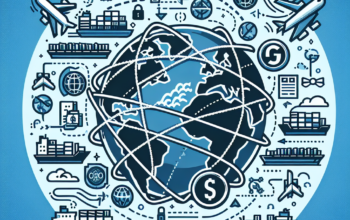
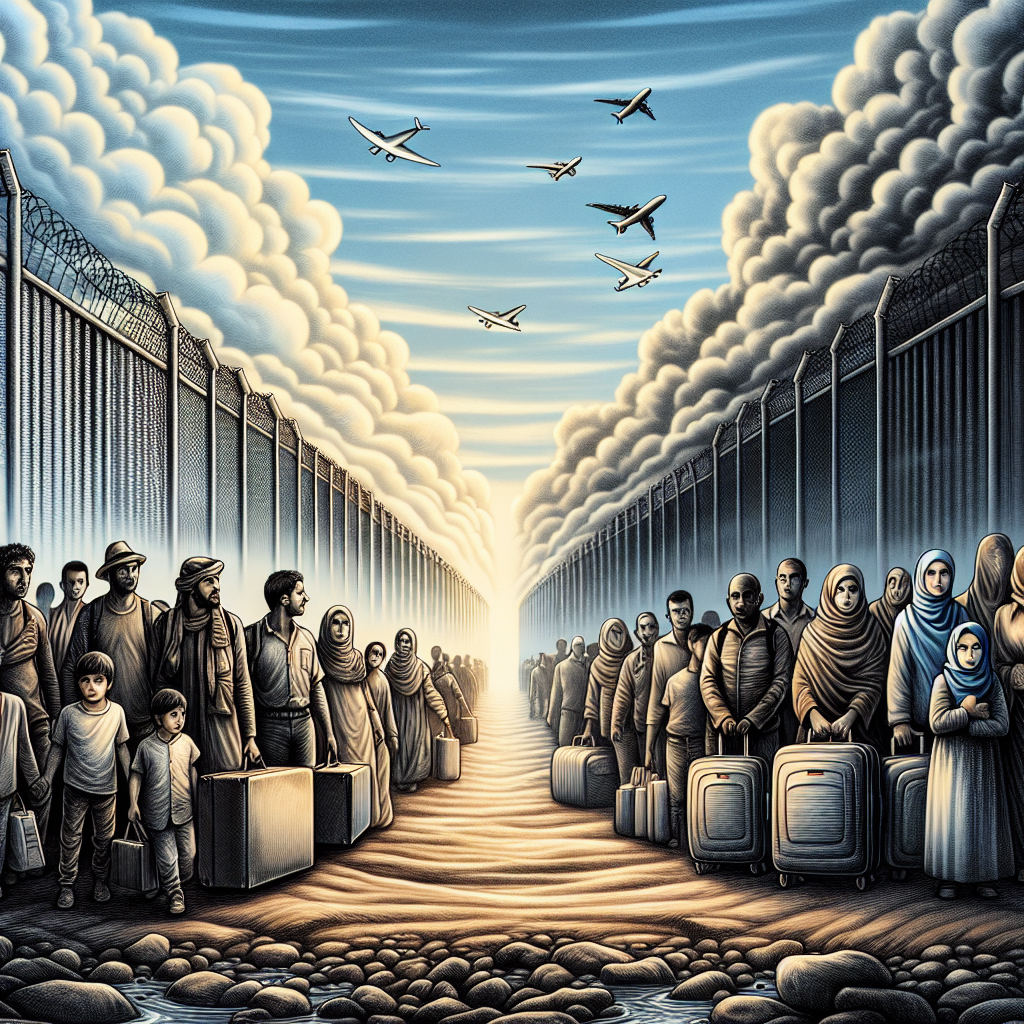
As the number of displaced people in 2025 reaches unprecedented levels, the global refugee crisis invites urgent scrutiny. According to recent reports from the United Nations High Commissioner for Refugees (UNHCR), over 100 million individuals are forcibly displaced worldwide due to war, persecution, and environmental factors. Notably, regions such as the Middle East, Africa, and parts of Asia are experiencing some of the highest rates of displacement, prompting a humanitarian response from countries around the globe. This situation challenges existing immigration frameworks and exposes the inadequacies of support mechanisms designed to assist refugees.
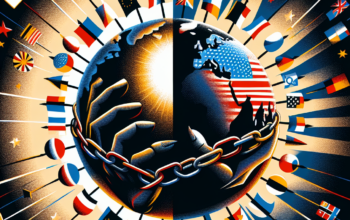
Governments are grappling with the heightened need for protective measures, funding, and long-term integration strategies. The juxtaposition of national interests and humanitarian obligations results in a contentious political landscape. Nations must contend with the dual imperatives of safeguarding their citizens—particularly in times of security threats—and honoring international commitments to protect the rights of refugees. As a result, the discourse surrounding immigration and refugees permeates political platforms, with politicians often polarizing the issue to garner votes and public support.
Humanitarian Obligations vs. National Security
One of the fundamental tensions within the debate on refugees and immigration is the balance between humanitarian obligations and national security concerns. Critics of liberal immigration policies often argue that accommodating refugees poses significant risks, including potential increases in crime, terrorism, and strain on public services. Such arguments have been amplified by events where individuals with extremist affiliations have infiltrated refugee flows, creating a perception that security is jeopardized.
Despite these concerns, economic studies suggest that refugees can be valuable contributors to their host countries. In 2025, experts continue to advocate that policies should focus on empirical data over anecdotal evidence, emphasizing the long-term benefits that refugees bring to economies. Instances abound where refugees have revitalized communities, launched successful businesses, and filled labor shortages in key industries. Effective refugee integration programs can mitigate risks associated with national security while fulfilling countries’ commitments to humanitarian aid.
The Political Landscape: Divergent Perspectives
The political discourse surrounding refugees and immigration is incredibly polarized, with different factions advocating for distinct narratives and policies. In 2025, progressive politicians often champion the cause of refugees, focusing on the moral imperatives and international treaties that mandate the humane treatment of displaced individuals. They argue for comprehensive immigration reform that prioritizes family reunification, pathways to citizenship, and social support systems to ensure successful integration.
Conversely, conservative factions emphasize border security and stricter immigration controls to protect national interests. In many countries, particularly those experiencing economic challenges or political instability, anti-immigrant sentiments are growing. This viewpoint contends that unchecked immigration leads to cultural dilution and economic burdens, calling for a renewed focus on national sovereignty and identity. As both sides engage in this complex political debate, the ramifications are felt at various levels—state, local, and even international—shaping how societies respond to an ever-evolving crisis.
Economic Impacts of Immigration Policies
The economic implications of immigration policies, particularly regarding refugees, are multifaceted and must play a central role in the debate. In 2025, research indicates that welcoming refugees can stimulate economic growth, especially in countries facing labor shortages or demographic challenges. Refugees often fill crucial gaps in the workforce, contributing to sectors experiencing a lack of skilled labor. Additionally, many refugees bring diverse skill sets and entrepreneurial spirit that can drive innovation and create jobs.
However, the costs associated with refugee resettlement cannot be ignored. Governments must allocate resources for healthcare, education, and social services, prompting debates about budgetary priorities. Efficiency in resource allocation becomes paramount—investing early in integration programs may yield long-term dividends, but the initial outlay can create political friction in an environment where fiscal conservatism is valued. Policymakers must navigate these economic realities while advocating for the moral imperative to support the most vulnerable populations.
Success Stories and Challenges in Integration
Highlighting success stories in refugee integration sheds light on the potential benefits of well-structured immigration policies. In several countries, inclusive programs have successfully bridged gaps between refugees and host communities. Initiatives focusing on language acquisition, vocational training, and cultural exchange have led to thriving multicultural communities. For instance, cities such as Toronto and Berlin have implemented comprehensive integration strategies that not only support refugees but also enhance local economies through workforce participation.
However, challenges remain pervasive. Social stigma, discrimination, and bureaucratic hurdles can hinder refugee integration efforts, often leaving newcomers feeling isolated. The 2025 context illustrates that while some communities succeed in embracing diversity, others experience backlash against immigrants, fueled by misinformation and fear. Addressing these challenges requires community engagement, education, and strong leadership to foster inclusive environments that promote social cohesion and mutual respect.
Conclusion
The debate surrounding refugees and immigration is marked by complex socio-political dynamics, economic considerations, and urgent humanitarian needs. As the world grapples with unprecedented displacement in 2025, it is crucial for policymakers to find a balance between national security and moral obligations to support the vulnerable. Successful integration efforts and positive contributions from refugees illustrate that with the right strategies, societies can benefit from diversity while addressing the challenges posed by displacement. Engaging in a constructive dialogue around these issues will foster empathy and innovative solutions that respect the rights of individuals and the interests of nations alike.
FAQs Section
What are the key causes of the refugee crisis in 2025?
The key causes include ongoing conflicts, persecution due to political or ethnic identity, and climate-induced disasters. In addition, socio-economic factors, such as poverty and lack of opportunity, play a significant role in forcing people to flee their home countries.
How do immigration policies impact local economies?
Immigration policies can have profound impacts on local economies; welcoming refugees can help fill labor shortages, boost entrepreneurship, and drive innovation. However, inappropriate or poorly managed policies can strain public services and create economic tension in communities.
What are some successful integration strategies for refugees?
Successful integration strategies include language and job training programs, community outreach initiatives, and legal assistance for navigating immigration processes. Education initiatives that foster understanding and cultural exchange can also positively influence community attitudes toward newcomers.