Revitalizing Rural America: A Bipartisan Opportunity
Revitalizing Rural America: A Bipartisan Opportunity
In the year 2025, the conversation surrounding rural revitalization in the United States has reached a crescendo. With increasing recognition of the unique challenges rural communities face—such as declining populations, job shortages, and limited access to healthcare—it’s more pressing than ever that bipartisan solutions are sought to address these issues. As policymakers and stakeholders on both sides of the aisle recognize the untapped potential in rural America, a concerted approach focusing on economic development, infrastructure investment, and social sustainability has emerged. This article explores critical strategies and initiatives aimed at revitalizing Rural America while underscoring the necessity of collaboration across the political spectrum.
Understanding the Challenges in Rural Communities
Rural communities across America are grappling with a multitude of challenges that have been exacerbated over the years. One of the most pressing issues is population decline, as many young individuals migrate to urban areas in search of better job opportunities and lifestyles. According to recent data from the U.S. Census Bureau, numerous rural counties have experienced significant population decreases since 2020, leading to a shrinking labor force and economic stagnation. This decline not only affects local economies but also hampers vital services such as education and healthcare, compounding the difficulties faced by rural populations.
Moreover, economic opportunities in rural areas often remain limited, resulting in an over-reliance on traditional sectors like agriculture and mining. These industries face their own set of challenges, including fluctuating market prices and climate change impacts. As jobs become scarce, educational attainment in these communities lags behind urban counterparts, further entrenching cycles of poverty and disenfranchisement. Addressing these obstacles requires a multi-faceted approach—one that encourages not just job creation but also investment in technology, innovation, and education tailored to the unique needs of rural America.
The Role of Economic Development Initiatives
Economic development initiatives are vital in shifting the trajectory of struggling rural communities. In recent years, various programs have been implemented to stimulate growth and attract new businesses to these regions. For example, initiatives to incentivize local entrepreneurship, such as micro-loans and grants for start-ups, play a crucial role in fostering local economic ecosystems. The introduction of tech hubs and business incubators can help facilitate knowledge-sharing and resource allocation for those looking to enter or expand within the market. As more residents link with these initiatives, communities can revitalize themselves while reducing the need for external economic reliance.
Bipartisan efforts have led to several legislative proposals targeting rural economic growth. One such development is the establishment of Opportunity Zones, which aim to attract investment to underserved areas by providing tax incentives. Local governments, alongside private sector stakeholders, have started leveraging these economic vehicles to spur development, improve infrastructure, and create jobs in sectors such as renewable energy and healthcare services. As these opportunities grow, it is essential that community leaders actively engage with policymakers to ensure these initiatives align with the specific needs of their populations.
Investing in Infrastructure for Future Growth
Infrastructure remains a cornerstone of any revitalization effort in rural America. In 2025, the need for modern transportation, utilities, and broadband access has become more critical than ever. Many towns lack reliable roads and public transportation systems, which not only hinder daily commutes but also affect the ability of businesses to flourish. Investing in infrastructure through federal and state partnerships can stimulate job creation and attract new businesses while enhancing the quality of life for residents.
Furthermore, the digital divide continues to be a significant barrier to success in rural areas. Reliable access to high-speed internet is no longer a luxury; it is a necessity for education, healthcare, and job growth. The Biden administration has prioritized closing this gap through initiatives aimed at expanding broadband access to underserved communities. As more residents gain access to online resources, including remote job opportunities and educational programs, the potential for economic growth expands correspondingly. Thus, robust infrastructure investments are not simply about construction but about laying the foundations for sustainable, long-term success.
The Importance of Healthcare Access in Rural Revitalization
Healthcare access is another critical area where bipartisan collaboration can yield great benefits for rural communities. Many rural hospitals are facing pressures that threaten their sustainability, including decreasing patient populations and financial constraints. As of 2025, the closure of hospitals in rural areas has left communities more vulnerable than ever, impacting residents’ ability to receive timely medical care. Solutions that provide resources for these healthcare facilities, such as flexible funding and telehealth initiatives, can significantly improve health outcomes.
Telemedicine, particularly, has emerged as a powerful tool for enhancing healthcare access in rural communities. By leveraging technology, patients can consult healthcare providers from the comfort of their homes, thus overcoming geographical barriers. Efforts to expand broadband access and increase funding for telehealth initiatives have received support from both sides of the political aisle, recognizing the need to make healthcare more accessible. With the right investments and collaborative policies, rural communities can build stronger healthcare systems and improve the overall quality of life for their residents.
Fostering Community Engagement and Sustainability
A successful revitalization strategy must also incorporate community engagement and sustainability practices. When local residents are actively involved in the decision-making processes that affect their lives, the outcomes tend to be more favorable. Initiatives to promote civic engagement, whether through town hall meetings or localized committees, have shown that residents’ voices matter. This involvement can create a sense of ownership over community projects and result in solutions that are tailored to specific needs. Moreover, strong community ties foster resilience, enabling towns to better weather economic downturns and other challenges.
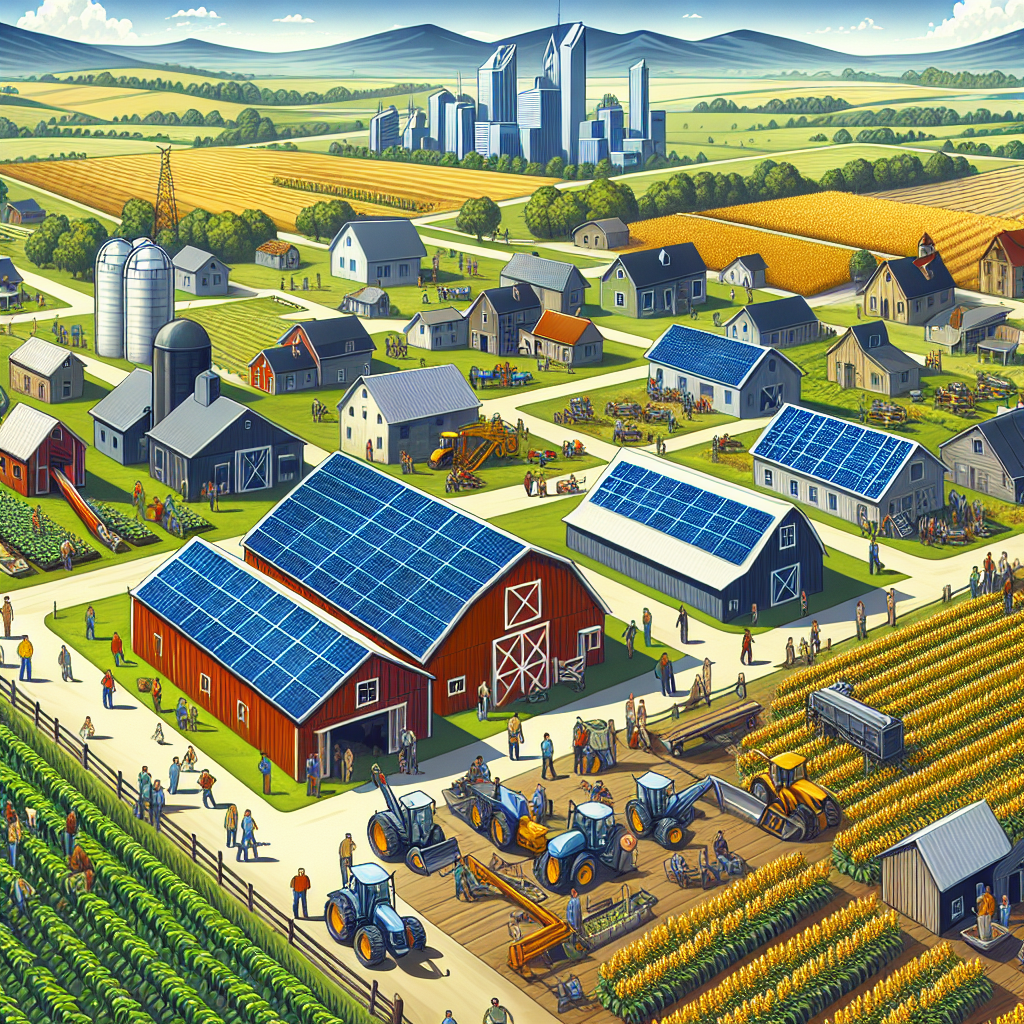
Sustainability initiatives can also play a pivotal role in rural revitalization. Renewable energy projects, such as wind or solar farms, not only provide jobs but also bolster local economies while promoting environmental stewardship. Investing in sustainable agricultural practices can help maintain productivity while protecting natural resources. The bipartisan support for green initiatives, particularly in rural settings, highlights a growing awareness of the relationship between environmental health and economic vitality. By intertwining sustainability with community values, rural areas can cultivate a future where economic growth and environmental responsibility go hand-in-hand.
Conclusion
Revitalizing Rural America in 2025 presents an unprecedented opportunity for bipartisan collaboration. Through a clear understanding of the existing challenges, investment in economic initiatives, infrastructure, healthcare access, and community engagement, the potential for positive change is immense. By uniting the efforts of local, state, and federal governments alongside private sector actors, rural America can be transformed into a thriving, sustainable area that appeals to both residents and newcomers alike. As the nation moves forward, focusing on these collaborative strategies will be crucial in ensuring that rural communities are not left behind.
FAQs
What are the primary challenges facing rural America today?
Rural America faces several challenges, including population decline, limited job opportunities, inadequate infrastructure, healthcare access issues, and educational disparities.
How can bipartisan efforts improve economic development in rural areas?
Bipartisan efforts can facilitate the passage of legislation aimed at providing tax incentives, funding opportunities, and support for local businesses, thereby enhancing economic development and job growth.
What role does access to healthcare play in rural revitalization?
Access to healthcare is critical for rural revitalization as it impacts residents’ quality of life, productivity, and economic stability. Improving healthcare access through telemedicine and support for local hospitals can elevate community health outcomes.
By addressing these questions and focusing on the comprehensive strategies outlined, stakeholders can contribute to a dynamic and prosperous rural America, ready to face the challenges of the future.