Scandalous Alliances: When Politicians Become Involved in Organized Crime


Introduction
In the intricate web of political power, scandals often loom large, particularly when politicians become entangled with organized crime. The phenomenon of scandalous alliances has captured public attention, fascinating those who question the ethical boundaries of governance. In 2025, as we witness a resurgence in stories of corruption, the intersection of politics and organized crime reaffirm our societal need for transparency. What drives these alliances? How are public resources manipulated, and what can citizens do to hold their leaders accountable? This article explores these pressing questions, uncovering the staggering reality of when politicians become involved in organized crime.
The Nature of Corruption: Unmasking Political Alliances
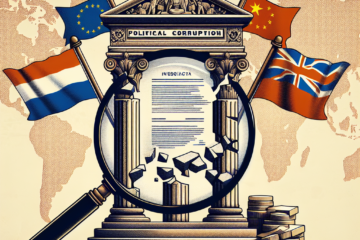
Corruption in politics isn’t a new phenomenon; it thrives in environments where power and opportunity intersect. In 2025, several high-profile cases have demonstrated that the propensity for politicians to forge alliances with organized crime is not only plausible but prevalent. These alliances often stem from mutual benefit; politicians may seek financial support for campaigns while criminals seek protection or legitimacy. This symbiotic relationship can lead to an erosion of legal boundaries, undermining the integrity of democratic systems.
The implications of these scandalous alliances extend far beyond individual politicians or criminal organizations. When public officials collaborate with organized crime syndicates, they compromise public trust, fostering a culture of fear among citizens. Price manipulation, bribery, and election fraud become prevalent, as the rule of law is replaced by the whims of corrupt individuals. Ultimately, it creates a vicious cycle, where ordinary citizens feel disenfranchised and powerless.
Renowned Cases: A Look at Political-Crime Entanglements in 2025
2025 has witnessed a series of shocking revelations regarding politicians and their links to organized crime. A notable case is the scandal involving a prominent political figure in Azerbaijan who allegedly collaborated with local mafia groups to gain control over lucrative contracts in the oil and gas sectors. This case serves as a stark reminder that corruption can infiltrate even the highest echelons of power, reshaping entire industries for personal gain.
Similarly, in the United States, an investigation into a senator’s office revealed deep-rooted ties to drug cartels operating within the Mississippi and Louisiana borders. The senator allegedly turned a blind eye to the trafficking activities in exchange for campaign contributions, highlighting how easily political ambition can align with organized crime. These high-profile cases indicate a broader trend where politicians exploit their positions to forge illicit alliances for both political influence and financial gain.
The Mechanisms of Corruption: How Politicians Collaborate with Crime
Understanding how politicians establish connections with organized crime requires delving into the tactics used to conceal and maintain these nefarious relationships. Bribery is a common first step, often manifesting as generous campaign donations or personal gifts. Such exchanges can lead to reciprocation—a politician on the payroll of crime will overlook illegal activities or provide protection in return. Subtle yet effective, the methods remain hidden in plain sight, blending into the fabric of political fundraising.
Another key mechanism is the use of intermediaries. Politicians may work through third parties to launder money, distancing themselves from illicit transactions and shielding themselves from legal ramifications. This added layer of secrecy allows crime syndicates to operate unhindered, as they can easily obscure the money’s origins. In some cases, political operatives may even act as brokers between criminals and officials, ensuring that both parties’ interests are well aligned while minimizing the risks of detection.
The role of organized crime becomes even more complicated when examining the cultural context in which these alliances form. In regions where governmental institutions are inherently weak, such as some parts of Eastern Europe and Latin America, organized crime may find fertile ground to flourish. Citizens in these regions often depend on corrupt systems for basic needs, compelling politicians to adapt to a culture where crime and governance are inextricably linked.
The Societal Impact: A Disheartened Public
The ramifications of scandalous alliances between politicians and organized crime extend into society, engendering a climate of distrust. Citizens who witness corruption at high levels may become apathetic, believing that their participation in governance—such as voting—has little effect on overall integrity. This sense of disillusionment contributes to lower voter turnout, creating a vicious cycle where corrupt leaders are empowered by a disengaged citizenry.
Moreover, the normalization of corrupt practices can alter societal values. In communities where political corruption is commonplace, individuals may start to view dishonesty as merely a means to an end. This mindset can be particularly damaging for younger generations, who might grow into adulthood believing that ethical conduct is secondary to personal gain or survival. The long-term consequences of such a shift in values can be severe, complicating the task of rebuilding trust between citizens and their elected officials.
In many cases, organized crime thrives in alignment with public discontent, deftly manipulating the very fabric of society. When scandals emerge, community resources may get diverted from essential services to fund corrupt activities, further exacerbating inequality and strife. Citizens may find themselves caught in an endless loop of crime and governance, with their livelihoods compromised as political priorities shift toward maintaining power rather than serving the public good.
Combatting Corruption: Strategies and Solutions
As the world increasingly recognizes the detrimental effects of politicians’ alliances with organized crime, efforts to combat this issue have gained traction. Transparency initiatives for campaign financing have found support among various advocacy groups, pushing for stricter regulations on donations and transparency reporting. By holding politicians accountable for their financial interactions, the hope is to diminish the incentives for corrupt dealings with organized crime.
Furthermore, fostering a robust civil society is essential for nurturing accountability in governance. Initiatives aimed at educating citizens about their rights can create a more engaged populace willing to report corrupt activities. Whistleblower protections have also been a focus, empowering insiders—such as bureaucrats or law enforcement officials—to expose corruption without fear of retaliation. Strengthening these protections is crucial for ensuring that allegations of misconduct can be handled effectively and transparently.
Lastly, international collaboration is vital in the fight against organized crime and political corruption. Cross-border partnerships can facilitate information sharing, and joint investigations can help dismantle networks that extend beyond national borders. By working collectively, nations can hold corrupt politicians accountable and disrupt the systemic corruption that allows organized crime to flourish. In 2025, there is a critical need for countries worldwide to unite in this fight as the stakes have never been higher.
Conclusion
Scandalous alliances between politicians and organized crime present complex challenges that threaten the very foundation of democratic governance. The cases from 2025 illustrate the far-reaching effects of such corruption, impacting public trust, social values, and overall societal health. By understanding the mechanisms through which these alliances form, society can better equip itself to combat them.
Through transparency initiatives, civic engagement, and international collaboration, there remains hope for restoring integrity in governance. It is vital that the public remains vigilant, empowering citizens to hold their leaders accountable while striving for a more transparent and just political landscape. As we navigate through the complexities of these issues, the ongoing dialogue surrounding scandalous alliances serves as a reminder that the fight for ethical governance is far from over.
FAQs
What are the most common forms of corruption in politics?
Common forms of political corruption include bribery, embezzlement of funds, abuse of power, election fraud, and collusion with organized crime.
How do politicians become involved with organized crime?
Politicians often forge alliances with organized crime for mutual benefit, seeking financial support for campaigns and, conversely, providing favor or protection to criminal enterprises.
What can citizens do to combat political corruption?
Citizens can promote transparency, engage in civil society initiatives, report corrupt activities, and advocate for reforms in campaign financing and whistleblower protections.
Are there laws that address the relationship between politicians and organized crime?
Yes, many countries have laws in place to combat corruption and organized crime, including anti-bribery statutes, money laundering laws, and regulations on campaign financing.
What impact does political corruption have on democracy?
Political corruption severely undermines democratic institutions, erodes public trust, reduces civic engagement, and can lead to widespread societal destabilization.